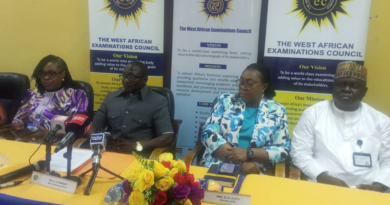
Waec and Neco 2026 Exams: Nigeria Government Introduces New Measures to Stop Exam Malpractice
The Nigerian government has announced several changes for secondary school students who will sit for the WAEC and NECO exams in 2026. These measures are designed to reduce exam malpractice and improve the credibility of the examinations.
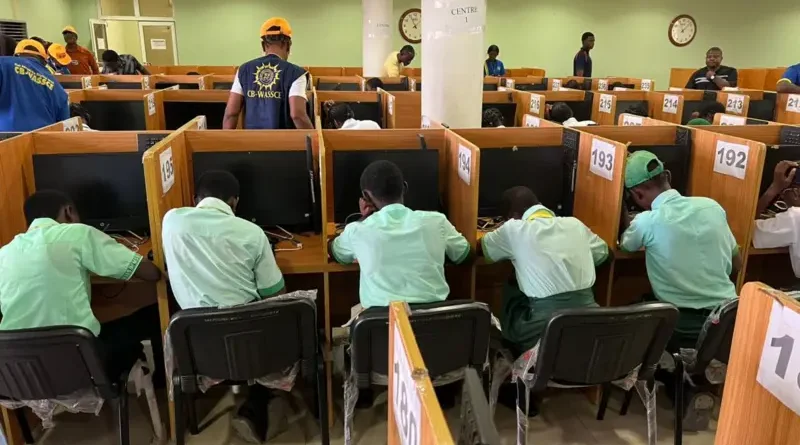
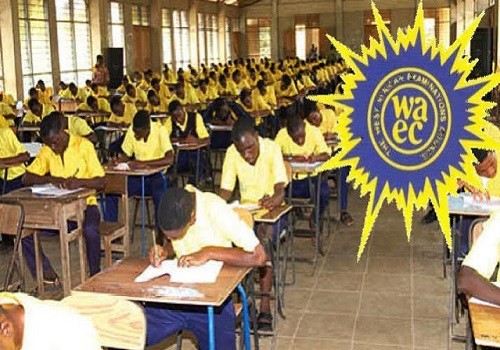
Waec and Neco are exams for final-year secondary school students preparing to enter universities or other tertiary institutions. In 2025, over 192,000 results—almost 10 percent—were withheld due to suspected cheating. In 2024, around 12 percent of results were seized for the same reason.
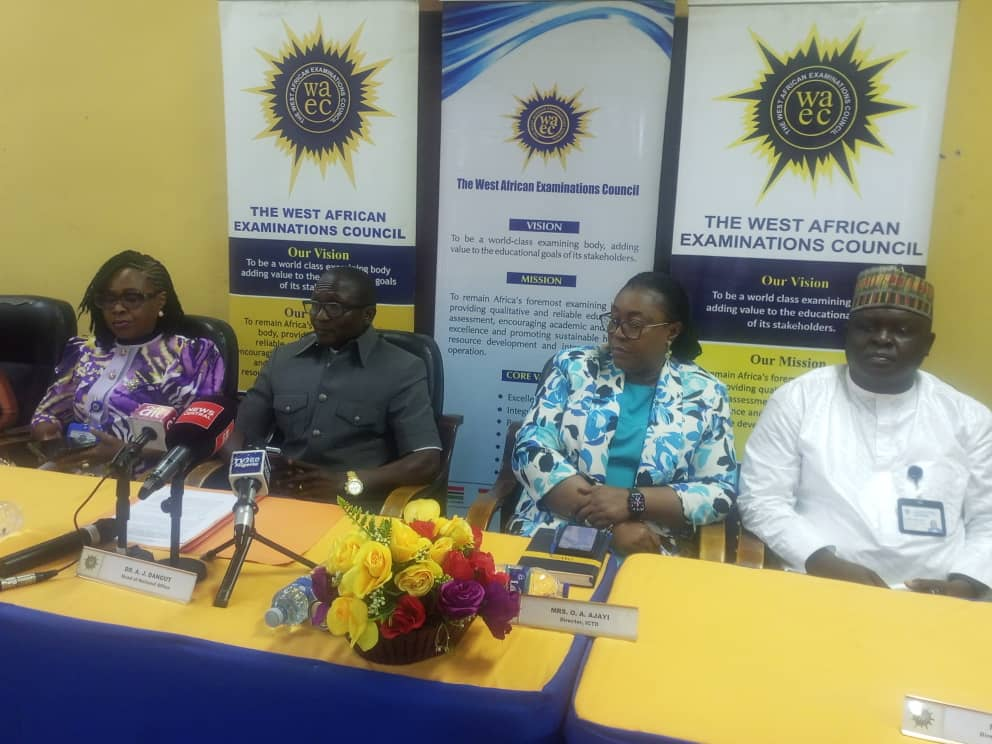
To tackle cheating, the Ministry of Education said it will introduce stronger measures to “strengthen credibility, transparency, and public confidence in Nigeria’s assessment system.” Ministry spokesperson Boriowo Folasade explained that oversight will be intensified and targeted strategies will be deployed to protect the integrity of exams.
One key change is the scrambling of exam questions. All students will answer the same questions, but the order and arrangement will be different for each student. This will make it harder for students to copy from each other. This system has already been used in JAMB exams.
Another measure is the ban on SS3 student transfers. Final-year students will not be allowed to move from one school to another. Folasade explained that last-minute school changes are often linked to exam malpractice. In December 2025, the government banned schools from registering new students into SS3.
The government will also introduce national continuous assessment guidelines. All exam bodies, including WAEC and NECO, must follow these rules. The assessment will be submitted in January (first term), April (second term), and August (third term) each year. This will ensure consistency, accuracy, and faster processing of students’ results.
Additionally, a new Examination Learners’ Identification Number (ELIN) will be introduced for all candidates. This unique ID will help track students throughout the exam process, strengthen monitoring, and support long-term improvements in assessment and data management.
The Ministry of Education is led by Maruf Tunji Alausa, the substantive minister, and Suwaiba Said Ahmed, the minister of state.
Looking at the last five years of WAEC results, the pass rate in 2020 was 65.24 percent. It rose to 81.7 percent in 2021, then fell to 76.36 percent in 2022. In 2023, it slightly increased to 79.81 percent, but dropped again to 72.12 percent in 2024. The 2025 exam recorded the worst performance in five years, with only 38.32 percent of candidates achieving credits in at least five subjects, including English and Mathematics.
With these new measures, the government hopes that the 2026 WAEC and NECO exams will be fairer, more transparent, and free from malpractice.