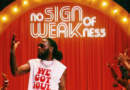
DDG Says Streamers Earn More Than Artistes — Here’s Why
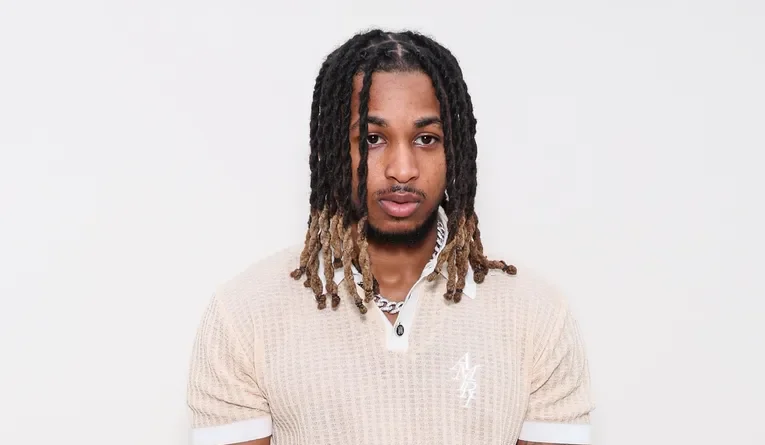
DDG, the American rapper-turned-content-creator, has sparked a fresh debate by saying that top streamers now earn more than many recording artistes. Speaking during a livestream conversation, he insisted that streaming platforms and creator-led content generation have become more lucrative than traditional music revenue alone. His claim reflects a growing conversation about how creators monetise attention in the digital age. The statement has reignited discussion about career choices for young entertainers.
The remark came up while DDG discussed his dual career as a musician and streamer and described how content creation changed his own finances. He pointed to the variety of income streams available to creators — from ad revenue and sponsorships to subscriptions and clip monetisation — as reasons streaming can out-earn music. DDG also noted that audience engagement on live platforms creates immediate, recurring revenue in ways albums and tours sometimes cannot. His lived experience as someone active on both sides of the industry gave weight to his observations.
There are concrete reasons why streaming can be more profitable for some creators than music alone: diversified revenue, direct fan monetisation and scalable ad income. Streamers can earn from ads that run during videos, monthly subscriber fees, brand deals, affiliate links and tipping, which together can produce steadier monthly cashflow than one-off record sales. Large streamers who build consistent viewership can also repackage content across platforms to capture more ad impressions and sponsorships. For many creators, that business model reduces reliance on industry gatekeepers and turns audience attention directly into income.
DDG’s comments have prompted artists and industry watchers to reassess how success is measured in entertainment today. Some musicians are embracing streaming as a complementary income source — livestreamed shows, behind-the-scenes content and interactive fan sessions — while others worry about fragmentation of attention and the sustainability of ad-driven models. The blurring of lines between creator and artist means more entertainers will likely diversify income streams rather than rely solely on music royalties. For emerging talent, DDG’s view is a reminder to consider multiple monetisation routes early in a career.
Whether streaming truly out-earns music for any individual depends on audience size, platform deals and how creators monetise their output, but DDG’s take underscores a big shift in the business of fame. The conversation matters for performers weighing whether to invest more time in content creation, music, or both — and for fans who want artists to be fairly rewarded. At minimum, the debate has pushed industry stakeholders to think harder about new revenue models and how to protect creators’ earning power. DDG’s statement is less a final verdict than a provocation: adapt or risk being left behind in an increasingly attention-driven economy.