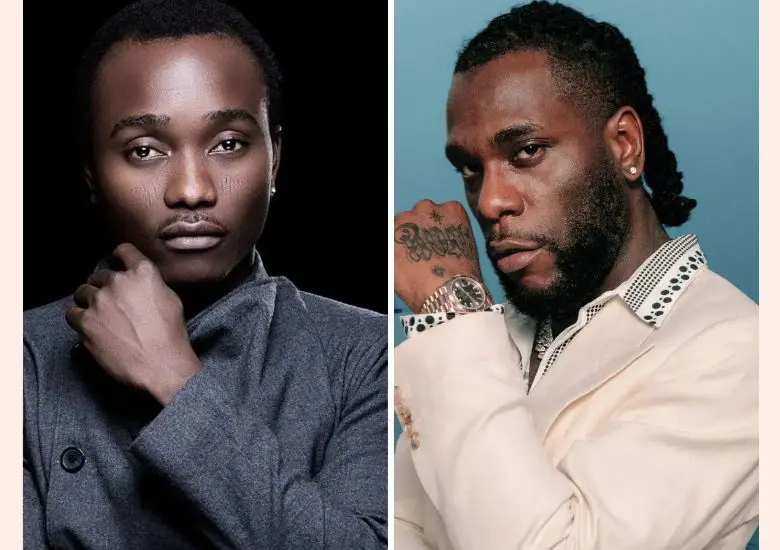
Brymo Slams Burna Boy And Davido Over Remix Culture
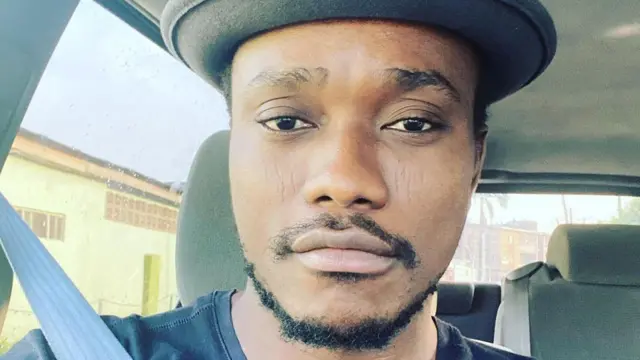
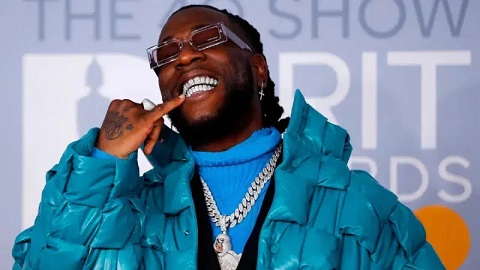
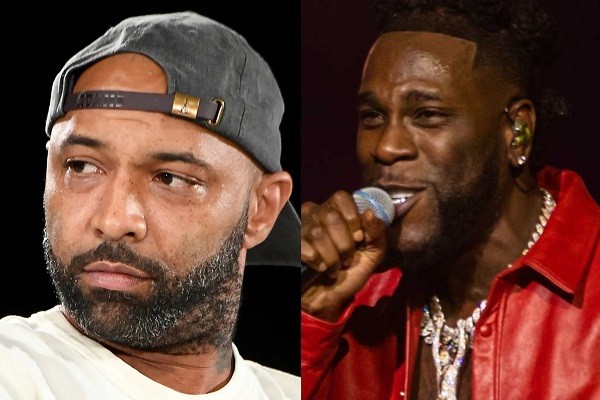
Nigerian singer Brymo has openly criticised top Afrobeats stars such as Burna Boy and Davido for constantly joining remix versions of hit songs made by rising artistes. In a recent post shared on his Instagram story, Brymo described the act as “vile”, accusing the mainstream stars of using rising talents to remain relevant in the music scene.
He explained that the growing trend of remixing new songs does not truly support young artists, but instead overshadows their creativity and prevents them from growing at their own pace. According to Brymo, many of the established musicians join popular remixes just to benefit from the attention that upcoming artistes are receiving.
Brymo further stated that this type of collaboration is often presented as a form of support, but it makes it harder for emerging talents to build their own sound and musical identity. He believes young artistes should be allowed to grow organically and find their own way in the industry without unnecessary interference.
In his message, Brymo addressed top names directly, urging them to stop appearing on every remix of new hit songs. He claimed that some of the mainstream artistes pretend to be helping, when in reality, they are benefiting from the hard work of newcomers who know little about the politics of the music industry.
Brymo’s post has sparked reactions from music fans, with some agreeing that remix culture can limit the creativity of new musicians. Others, however, believe that collaborations between rising stars and famous artistes can help boost visibility and open doors to bigger opportunities.
This is not the first time Brymo has clashed with some of Nigeria’s biggest stars. In the past, he has disagreed publicly over issues such as song ownership, originality, and authenticity in Afrobeats. His latest comment adds to the ongoing debate about the role of established artists in supporting or hindering the growth of emerging talents.
Why does Brymo believe remix culture is harmful? He feels it prevents young artists from standing on their own and forces them to rely on the popularity of bigger stars rather than building their creative path.