Victoria Inyama Sparks Debate Says Circumcision Was Best Thing for Her
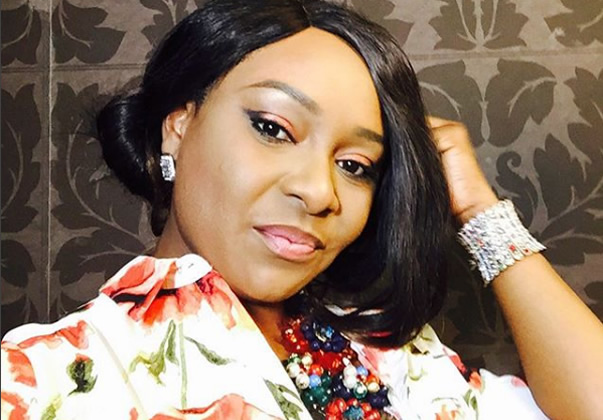
Nigerian actress Victoria Inyama has stirred widespread reactions after opening up about her personal experience with female circumcision, also known as Female Genital Mutilation (FGM), describing it as both traumatic and, in her opinion, beneficial.
Speaking during an Instagram Live session hosted by broadcaster Ifedayo Olarinde, the Enugu-born actress shared that she underwent the procedure as a child while living with her grandmother in the village. She recalled the pain and trauma she experienced at the time, stating that she was around five or six years old when it happened.
Despite acknowledging that FGM is harmful, Inyama described it as “one of the best things” that happened to her. She claimed the experience shaped her personal discipline and choices as an adult, particularly in her relationships, suggesting that it influenced her sense of control over her body and decisions.
Her comments have generated strong reactions, especially as FGM is widely recognised globally as a violation of human rights. According to health experts, the practice involves the partial or total removal of external female genitalia for non-medical reasons and has no health benefits.
The actress also made a controversial statement regarding her daughters, saying she might support the procedure if their father, Godwin Okri, agreed—despite noting that it is illegal in countries like the United Kingdom, where her children are based.
Inyama’s remarks have reignited public debate about cultural practices, personal experiences, and the ongoing efforts to end FGM. Many critics argue that such statements could undermine campaigns aimed at protecting girls and women from the harmful effects of the practice.
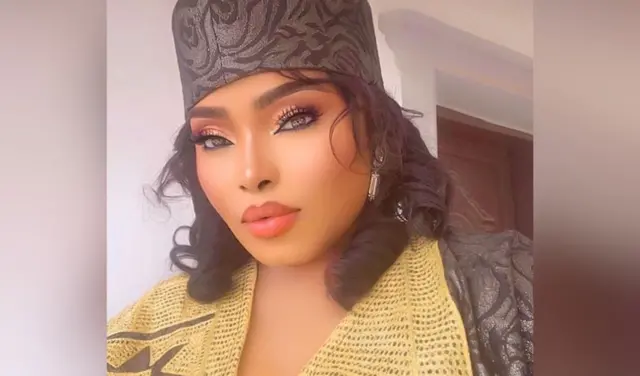
Other public figures have also spoken about their experiences. Filmmaker Biodun Stephen shared that she underwent circumcision as a child and still remembers the pain, while blogger Linda Ikeji said the procedure affected her sexual experience later in life.
Globally, organisations like the World Health Organization continue to warn against FGM, highlighting its serious health risks. These include severe pain, bleeding, infections, complications during childbirth, and long-term psychological effects.
The Nigerian government has also renewed efforts to eliminate the practice. The Minister of Women’s Affairs, Imaan Sulaiman-Ibrahim, recently described FGM as a grave violation of human rights and called for urgent action to end it.
Victoria Inyama’s comments highlight the complex nature of the issue, where personal beliefs, cultural background, and global health standards often clash—keeping the conversation around FGM active and deeply divided.