Daniel Bwala Clarifies Lagos Belongs to Yoruba After No Man’s Land Comment
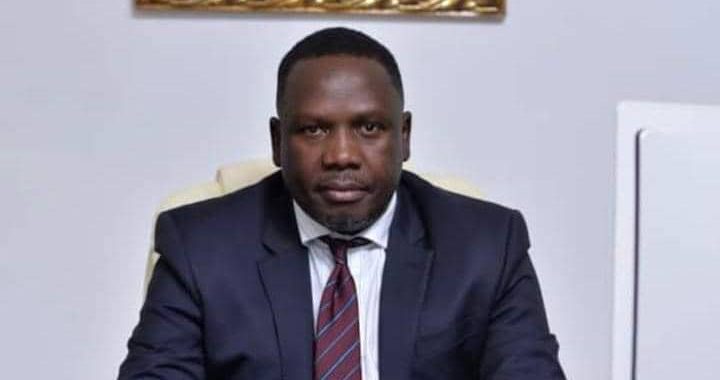
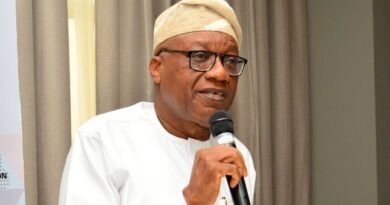
Daniel Bwala, Special Adviser to President Bola Tinubu on Policy Communication, has made a U-turn on his recent remarks describing Lagos as a “no-man’s land.” His earlier comment during an interview on Arise Television stirred heavy criticism across the country. Bwala has now taken to his official X handle to clarify his statement, stressing that Lagos historically and constitutionally belongs to the Yoruba people.
The legal practitioner explained that his words were misinterpreted and insisted that the identity of Lagos as a Yoruba homeland has never been in dispute. He described Lagos as both a cultural home for the Yoruba and Nigeria’s foremost commercial hub that welcomes people from every part of the country.
“Culturally, historically, and constitutionally, Lagos belongs to the Yoruba people, and that has never been in contention,” Bwala wrote, adding that the city’s Yoruba identity is settled and should not be distorted. He emphasized that while Lagos belongs to the Yoruba, its cosmopolitan nature makes it a melting pot where all Nigerians can thrive.
Bwala compared Lagos to global cities such as New York, Paris, and London, noting that just like them, Lagos is not only an economic powerhouse but also a cosmopolitan hub that accommodates diverse people. According to him, Lagos plays a dual role as Nigeria’s commercial heartbeat and a place that mirrors the country’s diversity, even while remaining rooted in Yoruba heritage.
The presidential aide said his central argument was that Lagos deserves massive investment in infrastructure because of the enormous economic and social responsibilities it carries on behalf of Nigeria. He clarified that such support should not be because Lagos is “no-man’s land” but because it is the heartbeat of national development.
Bwala had earlier defended the allocation of N3.9 trillion worth of federal projects to Lagos within two years, saying it was justified as the state remains the hub of Nigeria’s commerce. He insisted that investing in Lagos should not be viewed as favoritism but as a strategic necessity for national growth.
His comments comparing Lagos to other global commercial cities highlight the state’s importance to Nigeria’s economy. He noted that just as London attracts more investment than all of England combined, Lagos attracts massive investments that benefit the entire nation. This, he said, proves that the prosperity of Lagos directly supports Nigeria’s overall development.
While Bwala’s earlier statement sparked anger, his clarification aims to reaffirm Lagos’s Yoruba heritage while emphasizing its unique position as a unifying commercial hub for all Nigerians. By repositioning his stance, he hopes to settle the controversy and redirect attention to the urgent need for infrastructure investment in Lagos.