US Lawmakers and Nigerian Reps Debate Rising Insecurity as Kidnappings and Attacks Increase
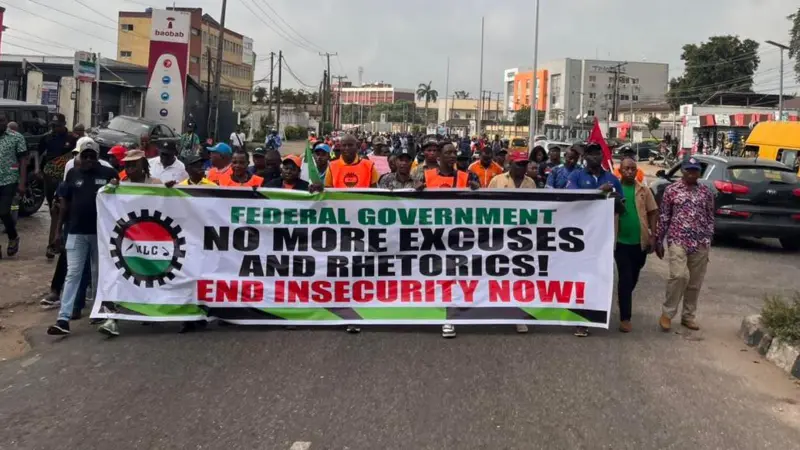
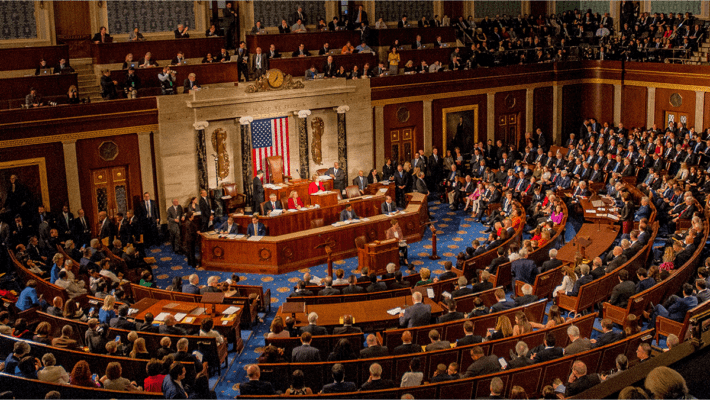
Fresh concerns about insecurity in Nigeria triggered two major sessions on Tuesday as lawmakers in the United States and Nigeria held new discussions on rising kidnappings and violence. In Washington DC, key committees of the US Congress held a joint briefing ordered by President Donald Trump, who had earlier directed the House Appropriations Committee to investigate what he described as growing attacks and the alleged slaughter of Christians in Nigeria. At the same time, Nigerian lawmakers prepared for their own debate on the state of security in the country.
The US briefing brought together influential members of the House Appropriations Committee, the House Foreign Affairs Committee, and top experts on global religious freedom. The meeting was led by Mario Díaz-Balart, Vice Chair of House Appropriations and Chairman of the National Security Subcommittee. He described the protection of religious freedom as both a moral duty and a key American interest, stressing that no one should be afraid of being attacked because of their faith. He added that the FY26 funding bill and future policies would continue to support efforts against religious-based violence.
Several lawmakers, including Reps Robert Aderholt, Riley Moore, Brian Mast, Chris Smith, and other experts, expressed deep worry about what they called worsening attacks on Christians in Nigeria. Aderholt described the situation as a crisis that cannot be ignored, while Moore linked the session to the recent redesignation of Nigeria as a Country of Particular Concern by the US government. Mast went further, calling the attacks part of a targeted campaign of religious cleansing aimed at pushing Christian communities out of their ancestral lands in the Middle Belt.
Expert witnesses gave emotional reports, including stories of kidnappings, forced conversions, false accusations, and deadly attacks on Christian communities. The US Commission on International Religious Freedom chair, Vicky Hartzler, said even recent kidnappings of schoolchildren show how insecurity is spreading. She noted that many villagers cry for help hours before attacks, yet security support rarely comes. Sean Nelson of the ADF International also shared cases of Christian pastors beheaded, mass graves discovered, and families torn apart by armed groups. He criticised Nigerian authorities for downplaying religious motives behind the attacks.
Dr Ebenezer Obadare of the Council on Foreign Relations pointed to Boko Haram as the most dangerous force driving insecurity in Nigeria. While acknowledging new military operations, he urged the US to keep pressure on the Nigerian government. He recommended stronger military collaboration to neutralise Boko Haram and suggested that Nigeria review the use of Sharia law in 12 northern states to reduce tensions and prevent further abuses. US officials confirmed that a full report would soon be submitted to President Trump.
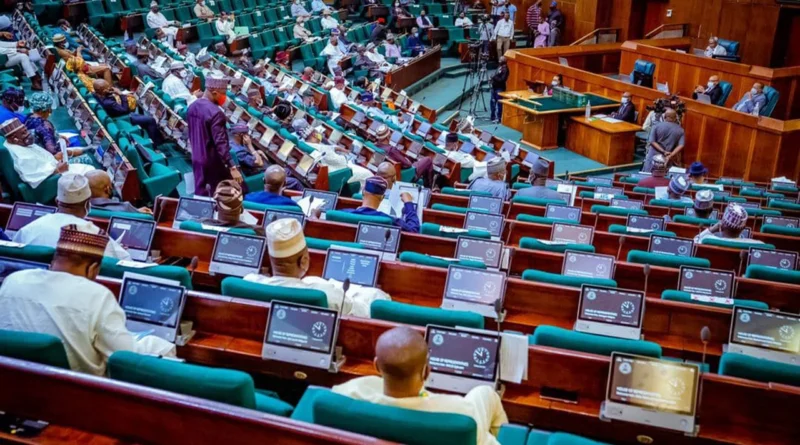
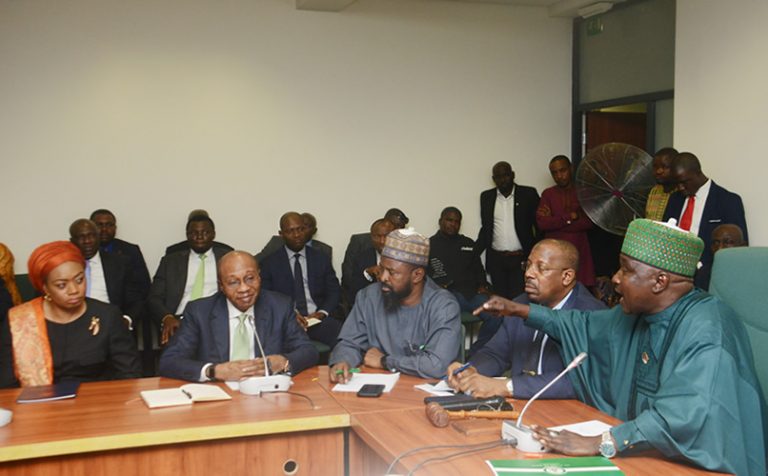
Back home, Nigeria’s House of Representatives prepared for its own security debate scheduled for Wednesday. Deputy Speaker Benjamin Kalu confirmed this during plenary. As part of broader reforms, lawmakers also discussed the state police bill, which has already been adopted by the Joint Constitution Review Committees of both chambers. Rep Mansur Soro explained that the bill will be laid before both the Senate and House this month for voting. If approved by two-thirds of state assemblies, it will be sent to the President for assent.
Rep Marcus Onobun from Edo State openly supported the creation of state police, saying insecurity has become too complex for a central policing structure to handle. He noted that crime is now highly localised and requires a localised response. According to him, state police would allow governors to take direct responsibility for security since they understand their communities better. He added that with proper checks and accountability rules, state policing could make Nigeria safer and more responsive to threats. Other lawmakers, including Bamidele Salam, also backed the idea, saying even local governments should have community-based police units.
Meanwhile, President Bola Tinubu held a closed-door meeting with service chiefs and heads of security agencies on Tuesday. The meeting came just hours after he nominated former Chief of Defence Staff, Gen. Christopher Musa (retd.), as the new Minister of Defence. Top security officials, including army, navy, air force, DSS, police, and defence intelligence heads, were present. The meeting followed the President’s recent declaration of a nationwide security emergency, which includes the recruitment of 20,000 new police officers, the deployment of forest guards, and tighter protection of schools, churches, and mosques.