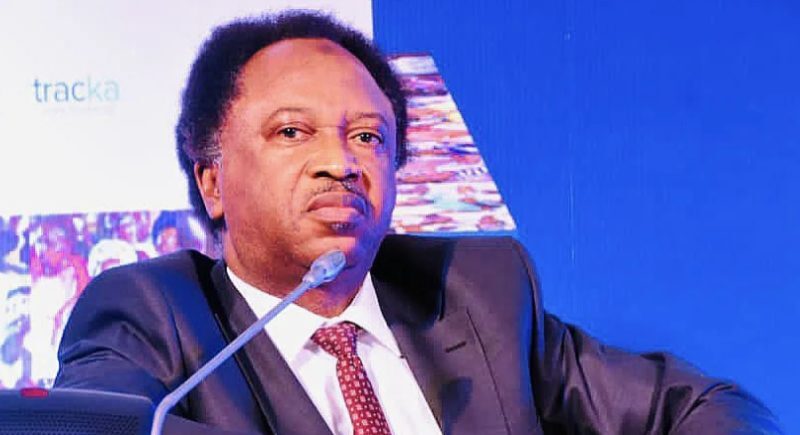
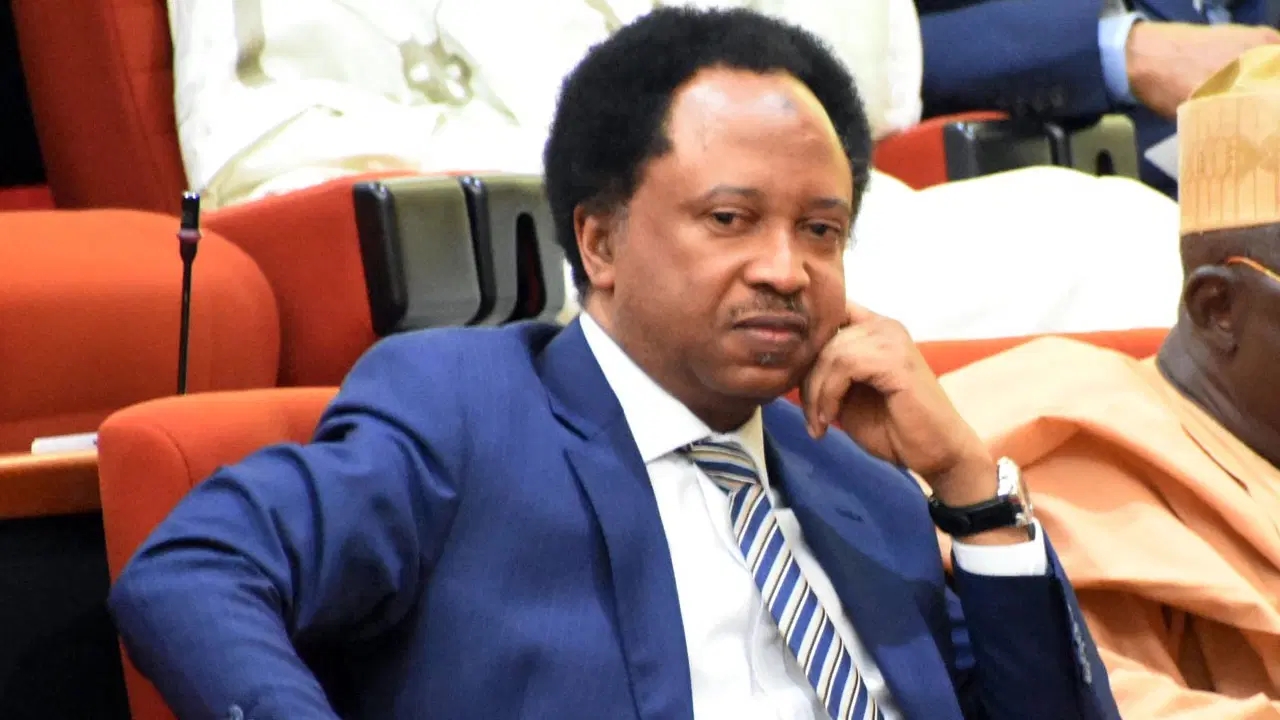
Shehu Sani Blasts World Bank and IMF, Calls Them “Witches and Wizards” Over Poverty Report
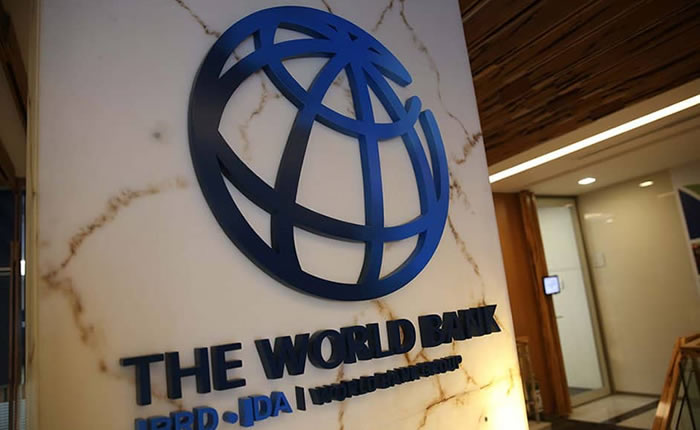
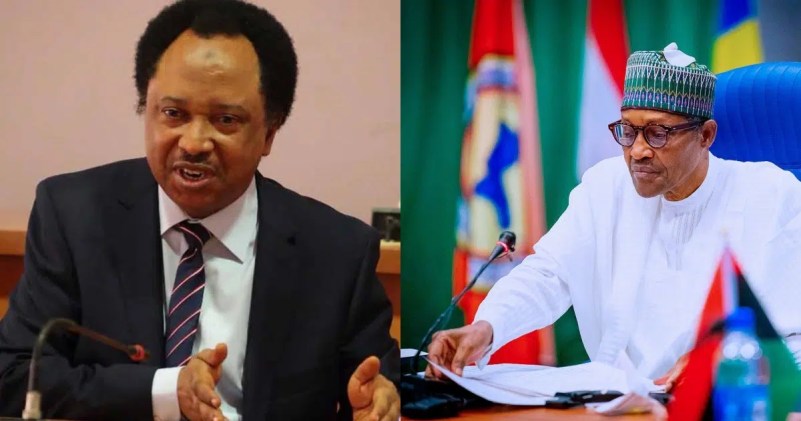
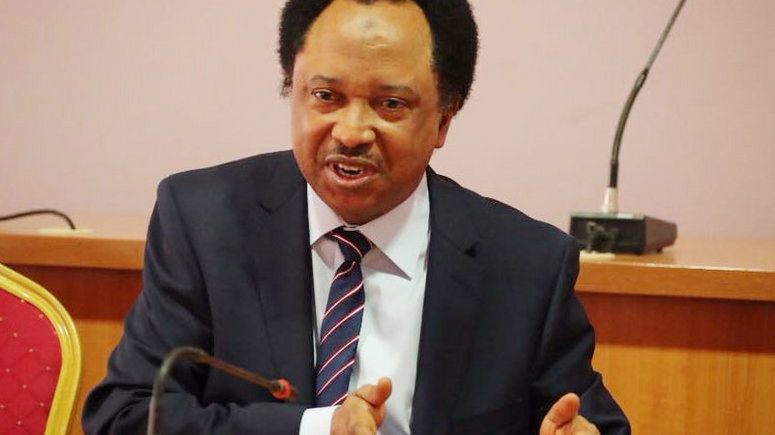
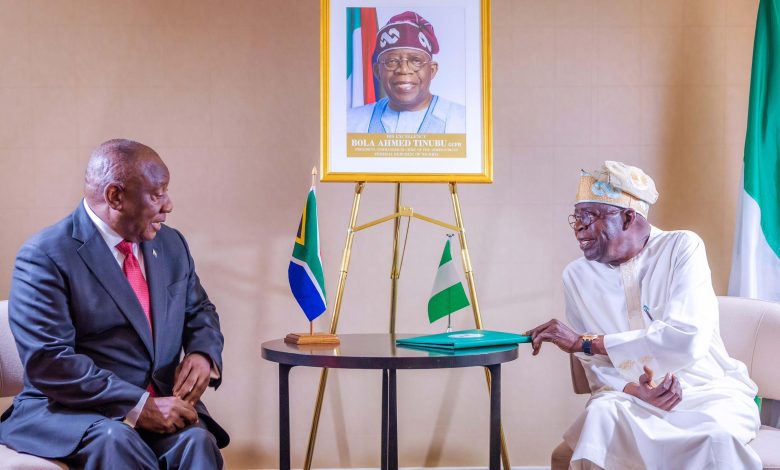
Former Kaduna senator Shehu Sani has fiercely criticised the World Bank and the International Monetary Fund (IMF) over their recent reports claiming that President Bola Ahmed Tinubu’s economic reforms have worsened poverty levels in Nigeria.
In a strong reaction shared on social media, Sani described the two global financial institutions as “witches and wizards” who promote economic policies that often harm developing nations. He accused them of advising governments to remove fuel subsidies and float their currencies, promising prosperity, but later blaming those same governments when the economy declines.
“The witches and wizards will tell you to remove subsidies and float your currency in the ocean and expect the miracle of wealth and prosperity. When it results in poverty and misery, they turn around and blame you for taking the wrong dosage,” he said.
Sani’s remarks came after the World Bank and IMF released separate assessments suggesting that Nigeria’s inflation and poverty levels have worsened since the implementation of subsidy removal and currency reforms. According to the reports, the policies—though intended to stabilise the economy—have increased living costs and reduced citizens’ purchasing power.
The former lawmaker argued that the institutions have a long history of pushing policies that fail to consider the unique realities of African nations. He stressed that these external recommendations often leave countries like Nigeria in economic distress rather than prosperity.
Sani’s comments have since gone viral, sparking debates on whether the advice of international financial institutions truly benefits developing economies or deepens their struggles. Many Nigerians online agreed with his stance, saying the IMF and World Bank’s policies have worsened poverty rather than alleviated it.
As public frustration continues to grow over the rising cost of living, Sani’s criticism reflects a broader sentiment among Nigerians who feel that economic recovery plans should be homegrown, not dictated by foreign bodies.