Reps Move to Limit President’s Power in EFCC Chair Removal
The House of Representatives has passed for second reading a bill seeking to amend the Economic and Financial Crimes Commission (Establishment) Act, 2004) to strengthen the independence of the anti-corruption agency and reduce political influence in its operations.
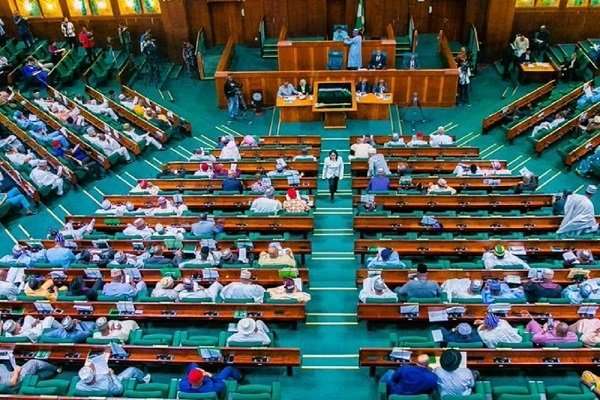
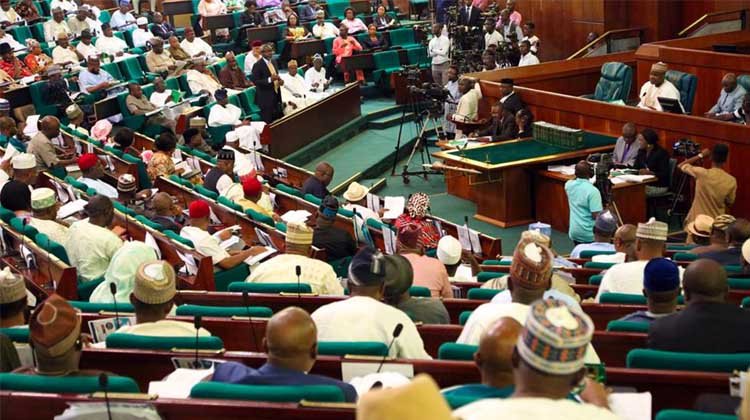
The bill, sponsored by Hon. Yusuf Gagdi from Plateau State, was debated on Thursday during plenary presided over by Deputy Speaker Benjamin Kalu. The proposed amendment aims to ensure that the EFCC operates with full institutional independence and aligns its work with global anti-corruption standards.
Gagdi explained that the amendment seeks to modernize the Commission’s legal framework to tackle new and complex forms of financial and economic crimes, including cybercrime, cryptocurrency manipulation, terrorism financing, and real estate-related money laundering.
He said the current EFCC Act is outdated and gives the President sole authority to remove the Commission’s chairman without parliamentary approval, leaving the agency vulnerable to political control.
“The EFCC operates under provisions that do not reflect today’s financial crime realities. The existing Act fails to guarantee the Commission’s independence, exposing it to political interference,” Gagdi said.
The proposed amendment would require a two-thirds majority approval from both the Senate and the House of Representatives before the EFCC chairman can be removed from office.
Gagdi noted that this change would boost public trust in the agency and strengthen Nigeria’s anti-corruption framework. “This bill is a decisive step toward ensuring that the EFCC functions as an independent, transparent, and professional body responsive to modern financial crime realities,” he added.
Supporting the motion, Hon. Ginger Onwusibe, Chairman of the House Committee on Financial Crimes, said the amendment was long overdue, as many new forms of financial crimes were not covered under the existing law.
The bill was unanimously passed for second reading and referred to the relevant committee for further legislative consideration.