PENGASSAN Strike Shuts Down NNPC and Oil Regulators as Energy Crisis Looms
The strike declared by the Petroleum and Natural Gas Senior Staff Association of Nigeria (PENGASSAN) on Monday has forced a complete shutdown of major oil and gas institutions, crippling operations across the country. Among those affected are the Nigerian National Petroleum Company Limited (NNPC), the Nigerian Upstream Petroleum Regulatory Commission (NUPRC), and the Nigerian Midstream and Downstream Petroleum Regulatory Authority (NMDPRA).
The industrial action, which began after the union’s National Executive Council issued a directive over the weekend, saw members withdraw their services nationwide. At the NUPRC headquarters in Abuja, the main entrance remained locked, leaving employees stranded outside. Security officials confirmed that no staff were allowed inside, following strict instructions from the union. A similar situation was observed at the NMDPRA headquarters in the Central Business District, where all activities were suspended.
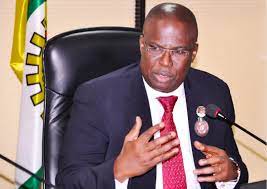
According to PENGASSAN leaders, compliance with the strike was total. The union chairman in NMDPRA, Tony Iziogba, told reporters that staff and visitors were denied entry, and the directive was fully enforced at both NNPCL and other oil sector institutions. He said this unity showed the seriousness of the situation.
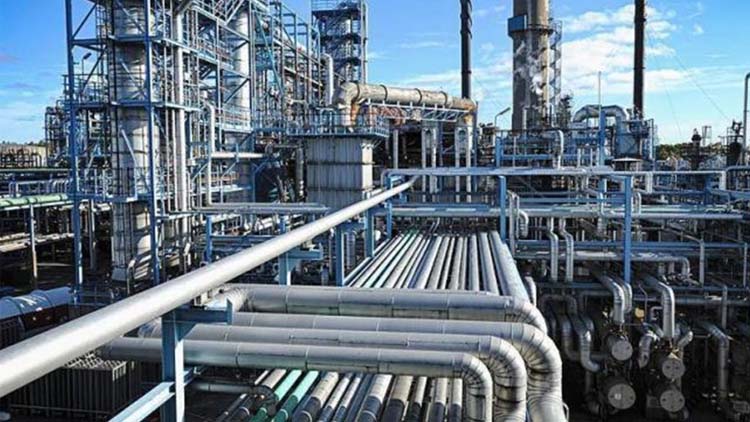
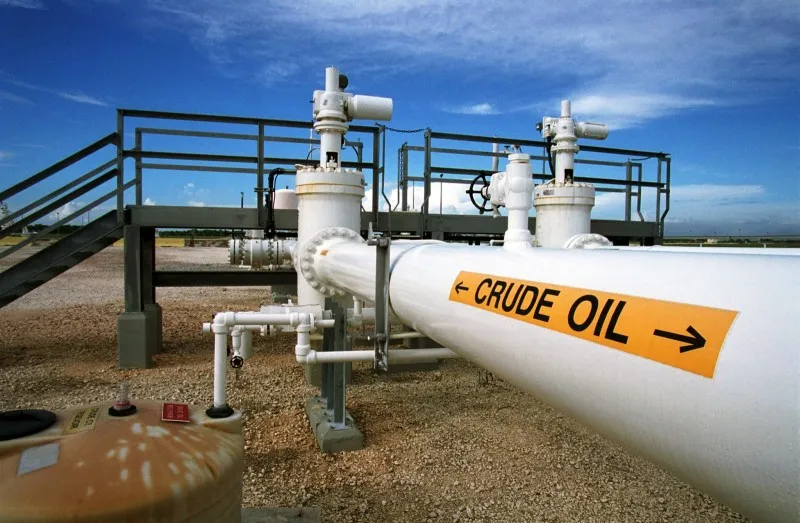
The union explained that the strike was prompted by the dismissal of around 800 workers at the Dangote Petroleum Refinery, accusing the company of violating Nigerian labour laws and international conventions. PENGASSAN alleged the refinery sacked workers because of their union membership and replaced them with foreigners. It also directed its members to halt all crude oil and gas supplies to the refinery, sparking concerns of a looming energy crisis.
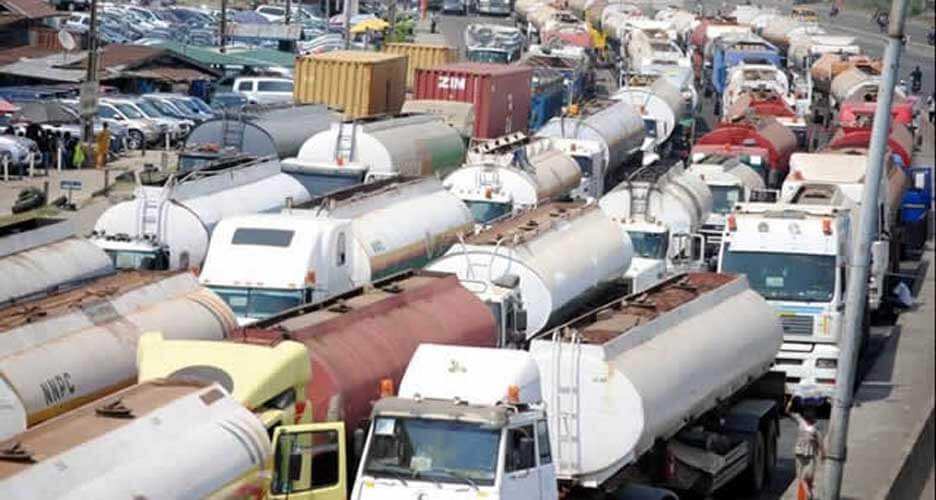
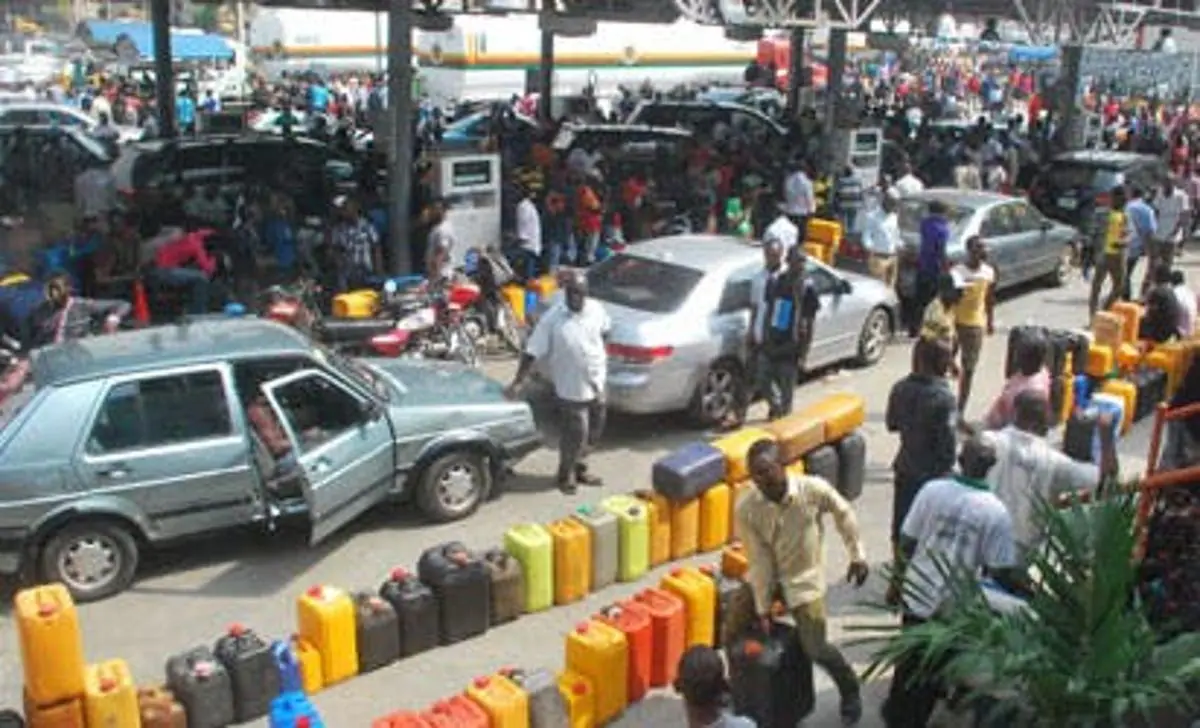
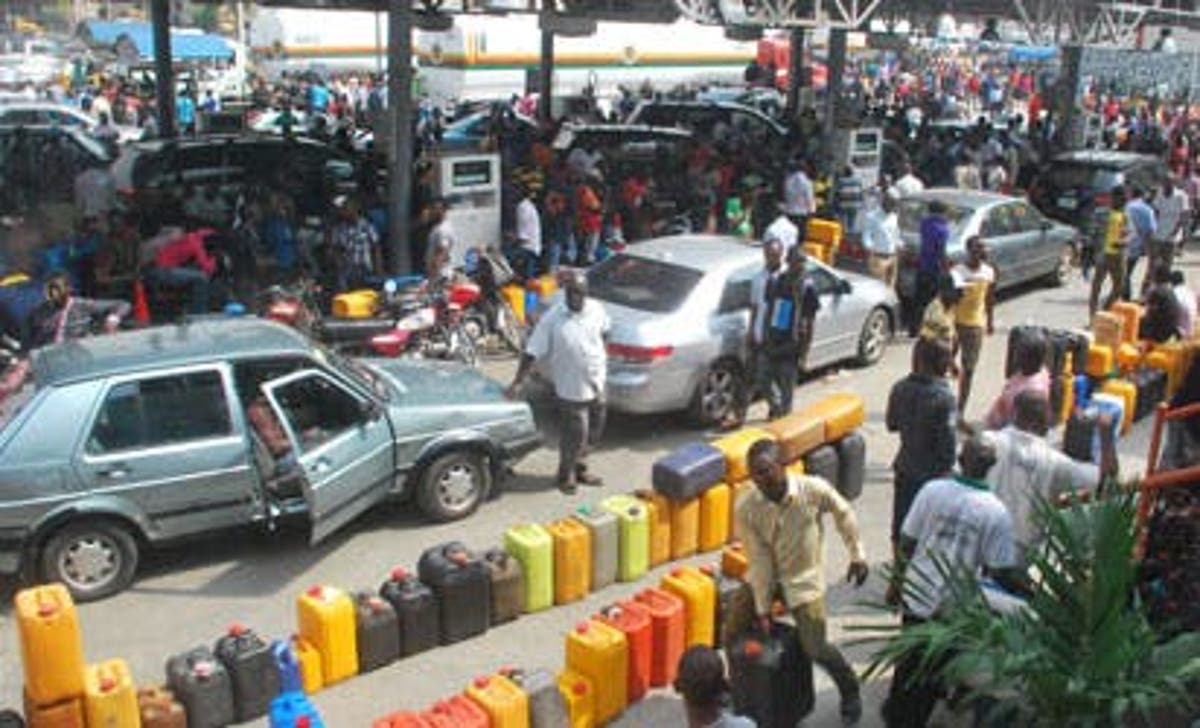
What does this mean for Nigerians? The disruption could choke fuel supplies and drive up demand and prices in the domestic market. With NNPC as the sole importer of petrol, and NUPRC and NMDPRA playing vital roles in regulation and supply, the impact of the strike is expected to be severe. Oil marketers have already warned of possible shortages and price hikes if the standoff continues.
On Sunday, the union issued a nationwide strike notice, asking all members across offices, companies, and agencies to suspend services from 12:01 am on September 29, 2025. Members in field locations were also told to down tools from 6:00 am and begin a continuous prayer vigil, underscoring the seriousness of their demands.
In its resolution, signed by General Secretary Lumumba Okugbawa, PENGASSAN insisted that gas and crude supply to the Dangote Refinery must stop immediately. It also called on International Oil Companies (IOCs) to ramp down their supply to the facility. The union framed this move as a stand for workers’ rights, accusing the refinery of unfair labour practices.
The strike has thrown Nigeria’s energy sector into uncertainty. With NNPC facilities closed and the regulatory authorities immobilised, fuel distribution and electricity generation could face massive setbacks. Observers fear that the longer the strike lasts, the deeper the economic and social effects will be felt nationwide.
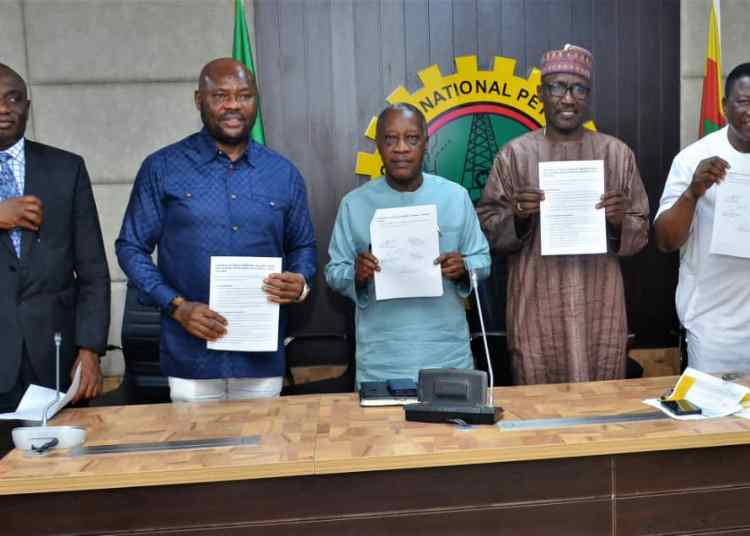
All eyes are now on the emergency meeting called by the Minister of Labour. The outcome of the talks will determine whether dialogue can ease tensions or if Nigeria will be dragged into a deeper energy crisis. The country’s ability to maintain stability in its most critical sector now rests on how quickly both sides can reach a compromise.