Nigeria’s Electricity Export to Benin Republic Reaches $66 Million Despite Local Shortages
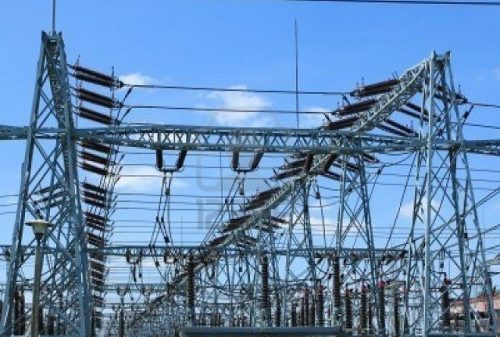
Nigeria’s electricity exports to the Benin Republic have climbed to $66 million for the fiscal year ending early 2025, according to new figures from the Energy Commission of Nigeria (ECN). The revenue marks an increase from $63.7 million recorded in 2022, reflecting growing demand from Benin’s power-deficient grid.
The Director-General of ECN, Dr. Mustapha Abdullahi, explained that the exports represent about 6% of Nigeria’s total electricity generation, mostly sourced from hydroelectric plants along border rivers. He stressed that the exports are not just business deals but part of long-standing agreements aimed at fostering regional stability.
Abdullahi noted that these arrangements were originally made to avoid disputes over dam construction and water use. Without the exports, tensions between Nigeria and its neighbors could escalate, potentially threatening the country’s access to vital hydropower resources.
The data shows that Nigeria exported around $112 million worth of electricity to neighboring countries in early 2025, with Benin and Niger being the main destinations. Niger alone received about $46 million worth of power, while West African countries, including Togo, Benin, and Niger, collectively received electricity worth roughly N181.62 billion (about $400 million) between January and September 2024.
Nigeria’s total electricity exports stood at around $170 million in 2023, mainly to Benin, Niger, and Togo. Despite this steady growth, experts point out that the country still has an unrealised export potential of about $16 million, particularly in electrical energy and related products. According to the International Trade Centre (ITC), Nigeria also has export opportunities in urea and steel products, alongside energy.
However, the rising export figures have raised questions among energy advocates. Chief Princewill Okorie, Executive Director of the Electricity Consumer Protection Advocacy Centre, criticized the government for prioritizing foreign markets while Nigerians face frequent blackouts and high electricity costs. He argued that the focus should be on improving domestic supply before celebrating export achievements.
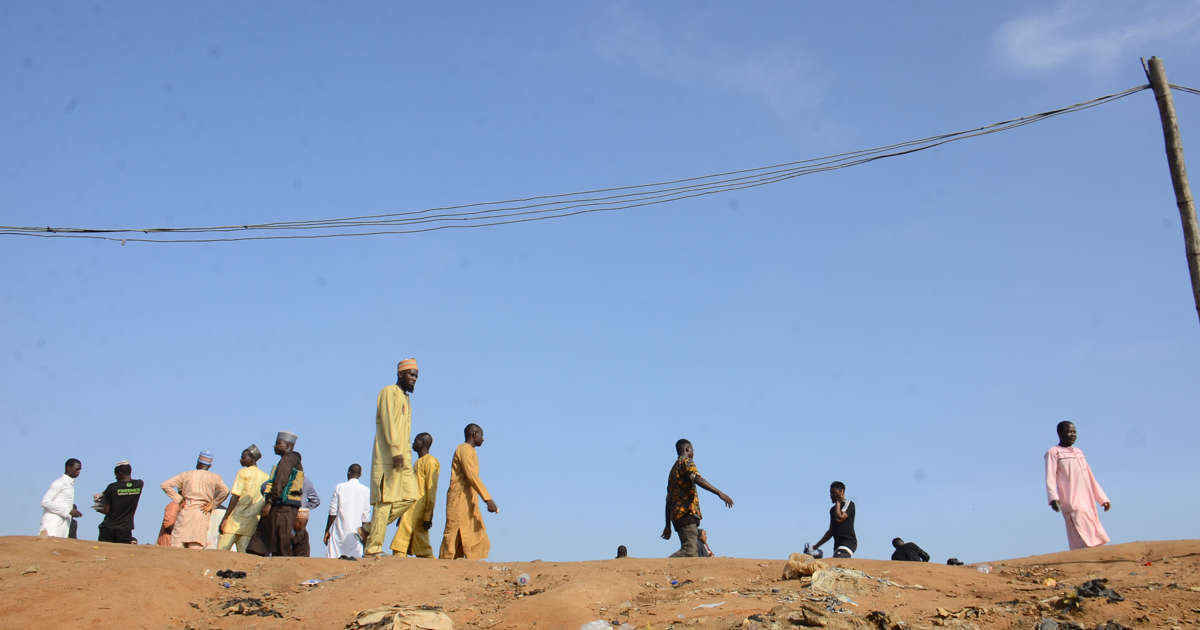
This debate highlights Nigeria’s dual role as both a major regional electricity supplier and a nation still struggling to provide stable power to its own citizens. With over 85 million Nigerians lacking reliable access to electricity, experts stress that investment in domestic infrastructure remains a pressing need, even as export revenues continue to grow.
The figures underline Nigeria’s influence in West Africa’s energy market but also reveal the ongoing challenge of balancing international commitments with urgent domestic energy demands.