Nigerians Question Tinubu’s 100,000 CNG Plan as Fuel Prices Continue to Rise
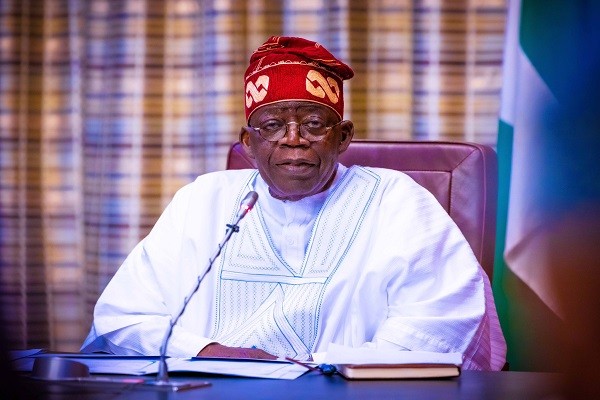
Many Nigerians have raised concerns over the recent directive by Bola Ahmed Tinubu to deploy 100,000 Compressed Natural Gas (CNG) conversion kits across the country as part of efforts to ease the impact of rising fuel prices. While the move was introduced as a quick relief measure, reactions from citizens, transport operators, and analysts suggest that the intervention may not be enough to address the scale of Nigeria’s current energy crisis.
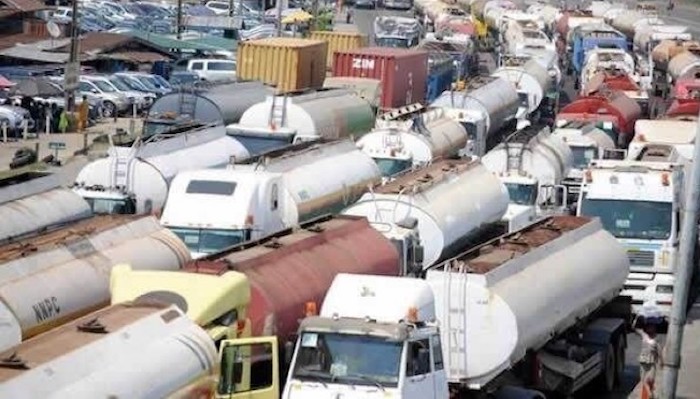
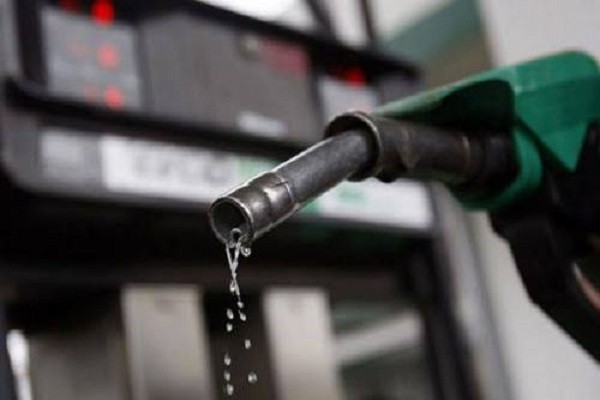
The policy comes at a time when fuel prices have surged significantly following the removal of fuel subsidy in 2023, combined with global oil price pressures. Petrol prices have risen sharply, while diesel costs have also increased, placing a heavy burden on transportation, businesses, and households. Across major cities, transport fares have doubled or even tripled, while food prices continue to climb, worsening the cost-of-living crisis.
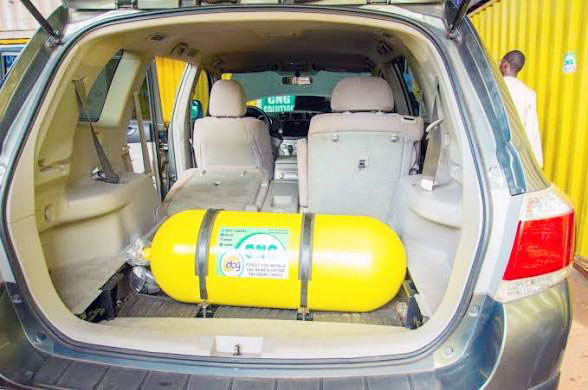
To address these challenges, the Federal Government introduced the CNG initiative, which aims to convert petrol-powered vehicles to run on compressed natural gas, a cheaper alternative. Officials have stated that CNG could reduce fuel costs by up to 60–70 percent, making transportation more affordable if widely adopted. However, many Nigerians believe the scale of the rollout is too small to make a real difference.
With an estimated 12 million registered vehicles in Nigeria, excluding motorcycles and tricycles, critics argue that converting only 100,000 vehicles represents less than one percent of the total. For many commercial drivers and transport unions, this makes the initiative appear symbolic rather than impactful. Several drivers have questioned how such a limited number of kits can provide nationwide relief in a country with over 200 million people.
Beyond the numbers, infrastructure remains a major concern. CNG adoption requires a strong network of refuelling stations, trained technicians, and proper safety systems. At present, access to CNG is limited to a few urban areas, and even in cities like Lagos and Abuja, stations are scarce and often overcrowded. Although the government has announced plans to develop refuelling corridors across key regions, many Nigerians are uncertain about how quickly these plans will be implemented.
Affordability is another major challenge. Industry estimates suggest that converting a vehicle to CNG could cost between ₦300,000 and ₦800,000, depending on the type of vehicle. For many Nigerians already struggling with inflation and reduced income, this cost is too high. While the government has hinted at subsidies and financial support, details remain unclear, raising doubts about how accessible the programme will be to average citizens.
Despite these concerns, the government has maintained that the CNG initiative is part of a broader long-term energy transition strategy. Plans have been outlined to partner with manufacturers, establish local assembly plants, and expand alternative energy solutions, including electric vehicles and solar-powered infrastructure. From a policy perspective, these steps indicate a move toward sustainability and reduced reliance on petrol.
However, public sentiment is largely focused on immediate relief rather than long-term goals. Many Nigerians believe that while CNG may be a good solution in the future, the current rollout is too slow, too limited, and not inclusive enough to address the urgent economic pressures they face today. Transport unions have called for more aggressive action, including large-scale subsidised conversions, expanded infrastructure, and temporary measures to control fuel costs.
The impact of rising fuel prices extends beyond transportation. Small businesses that rely on generators are struggling with high diesel costs, while supply chains have been disrupted due to increased logistics expenses. Economists warn that if fuel prices remain high, inflation will continue to rise, affecting every sector of the economy.
As the government continues to implement its energy transition plans, many Nigerians are demanding solutions that match the scale of the crisis. While the 100,000 CNG kits may represent a starting point, critics argue that millions of conversions, backed by strong infrastructure and clear financing options, will be needed to make a meaningful impact.
For now, the reaction remains mixed. While some see the initiative as a step in the right direction, many others believe it falls short of expectations. As the country adjusts to life after fuel subsidy, the success of the CNG programme will likely play a key role in shaping public trust in government policies.