Meningitis Outbreak Spreads Rapidly Across Northern Nigeria
Nigeria is currently battling a worsening outbreak of Meningitis across several northern states, raising serious concerns among health experts and government authorities. The outbreak is spreading quickly, especially among children, as conditions in the region continue to support the transmission of the disease.
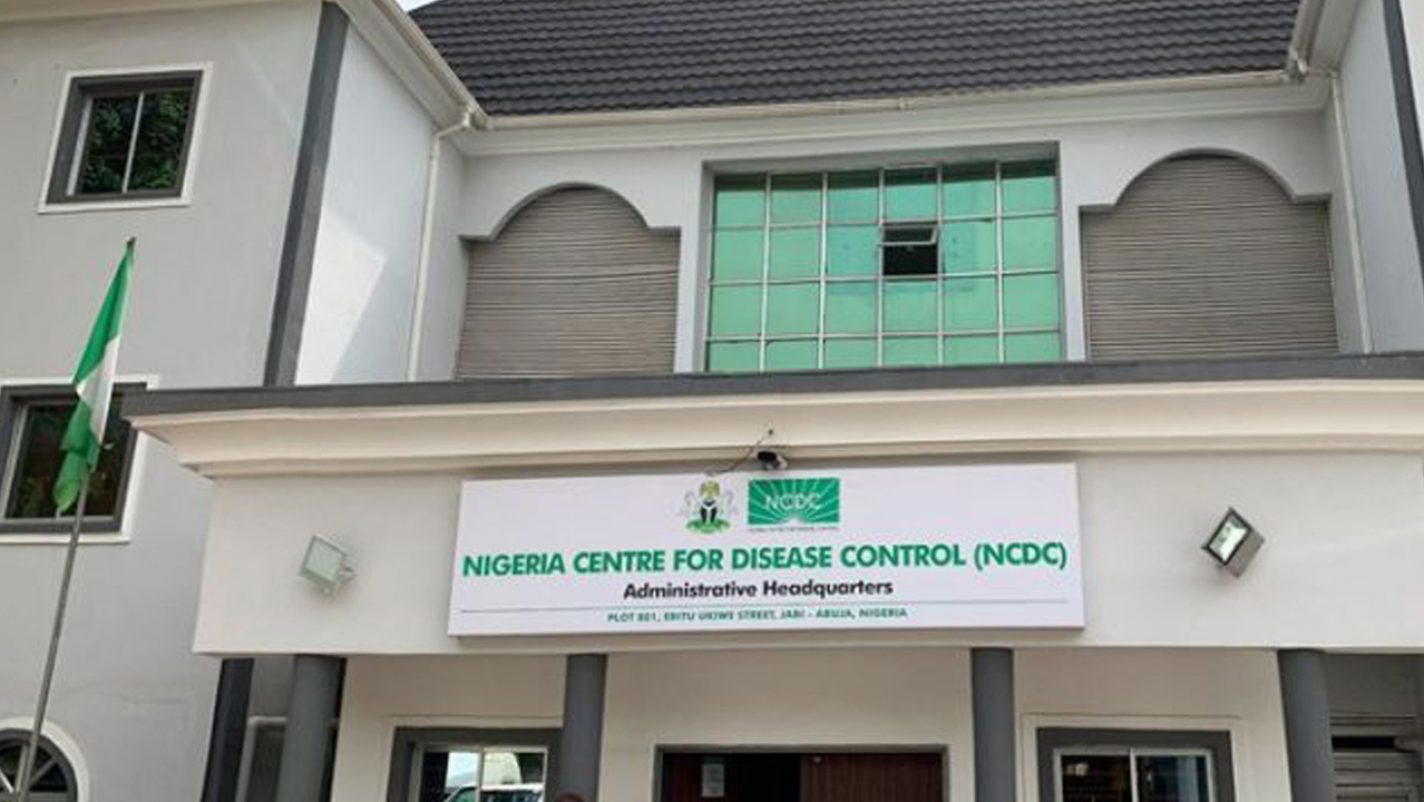
The Director-General of the Nigeria Centre for Disease Control and Prevention, Dr. Jide Idris, raised the alarm during a high-level health meeting in Abuja. He explained that the strain currently driving the outbreak, known as Neisseria meningitidis serogroup C, is not fully covered by the vaccines currently available in the country. This has made it more difficult to control the spread effectively.
According to health officials, children between the ages of one and 15 are the most affected group. The situation is worsened by environmental factors such as overcrowding, poor ventilation, and the dry, dusty winds common in northern Nigeria during this period. These conditions make it easier for the infection to spread from person to person.
Nigeria lies within Africa’s meningitis belt, a region known for frequent outbreaks, especially during the dry season. Data from the World Health Organization shows that cases usually increase between December and April, when weather conditions become harsh and respiratory infections are more common.
Dr. Idris explained that while meningitis used to be mainly caused by serogroup A, the current outbreak is now dominated by serogroup C. Other strains such as W, X, and Y are also present but are responsible for fewer cases. This shift in dominant strains has created new challenges for disease prevention and control efforts.
He added that the NCDC has stepped up surveillance across the country to monitor the situation closely. Laboratories at the state level are conducting tests to confirm cases, while efforts are ongoing to strengthen national laboratory systems for faster detection and response.
Meningitis is a serious infection that affects the membranes covering the brain and spinal cord. It spreads through respiratory droplets, especially when people are in close contact in crowded or poorly ventilated spaces. Without quick treatment, the disease can become life-threatening within a short period.
Health experts are warning Nigerians to take symptoms seriously and seek medical attention immediately. Common signs include sudden fever, severe headache, neck stiffness, vomiting, confusion, seizures, and sensitivity to light. Authorities also warned that not all fevers during the dry season are malaria, stressing the importance of proper diagnosis.
To reduce the risk of infection, people are advised to avoid overcrowded areas, ensure proper ventilation in homes and public spaces, cover their mouths when coughing or sneezing, and avoid sharing personal items such as utensils. Vaccination campaigns are also being encouraged, even though current vaccines may not fully cover the dominant strain.
As the outbreak continues to spread, health officials are calling for increased awareness, early detection, and stronger preventive measures to protect vulnerable populations and limit further transmission across northern Nigeria.