FG Presents N54.43tn 2026 Budget as Debt Service Swallows N15.91tn
The Federal Government (FG) has unveiled its N54.43tn budget proposal for 2026, with a projected deficit of N20.10tn, exceeding the entire national budget of 2022 by N2.78tn. Experts warn the high deficit and debt service may put pressure on Nigeria’s fragile economic stability.
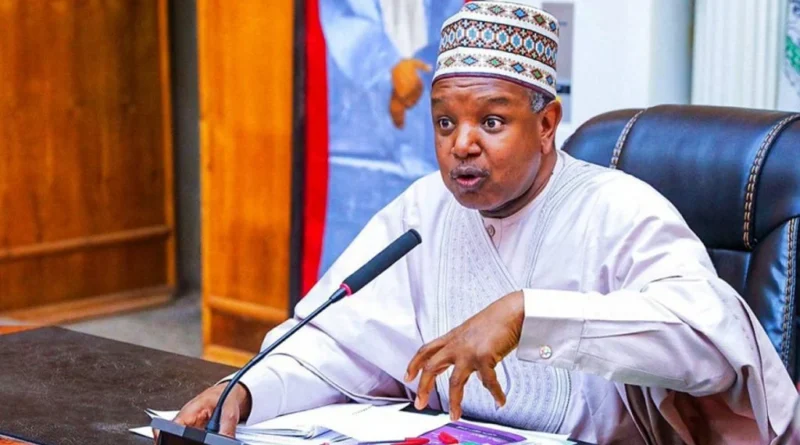
Minister of Budget and Economic Planning, Atiku Bagudu, briefed journalists after the Federal Executive Council (FEC) approved the 2026–2028 Medium-Term Expenditure Framework (MTEF) and Fiscal Strategy Paper. The document is set to be forwarded to the National Assembly for approval.
The budget is based on a cautious oil price benchmark of $64.85 per barrel and an exchange rate of N1,512 to $1. The government adopted dual oil production figures: 2.06 million barrels per day as an optimistic target and 1.8 million barrels per day as a conservative baseline. This provides a 12.6% safety buffer against production disruptions.
The 2026 budget aims for 4.68% economic growth. Bagudu cautioned that political spending in the pre-election year could put pressure on the exchange rate.
The projected Federation revenue is N50.74tn, with N22.60tn going to the federal government, N16.30tn to states, and N11.85tn to local governments. The federal government expects N34.33tn from all sources, including N4.98tn from government-owned enterprises, which is 16% lower than the 2025 estimate.
Debt service: N15.91tn (29.2% of the total budget)
Non-debt recurrent expenditure: N15.27tn
Statutory transfers: ~N3tn
The deficit of N20.10tn represents 36.9% of the total budget, indicating Nigeria plans to borrow more than one-third of its proposed expenditure. Comparatively, the 2025 budget had a deficit of N9.22tn with a N14.32tn debt service, while the 2022 debt service was N3.98tn, showing a 299% increase in four years.
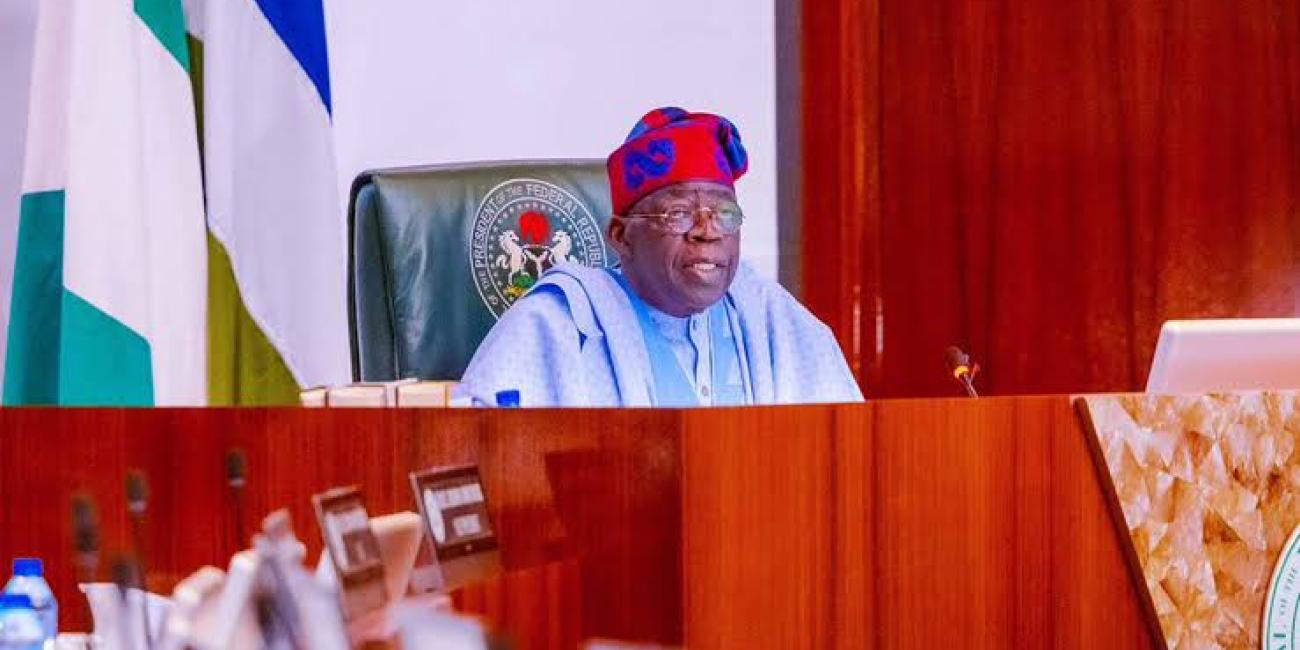
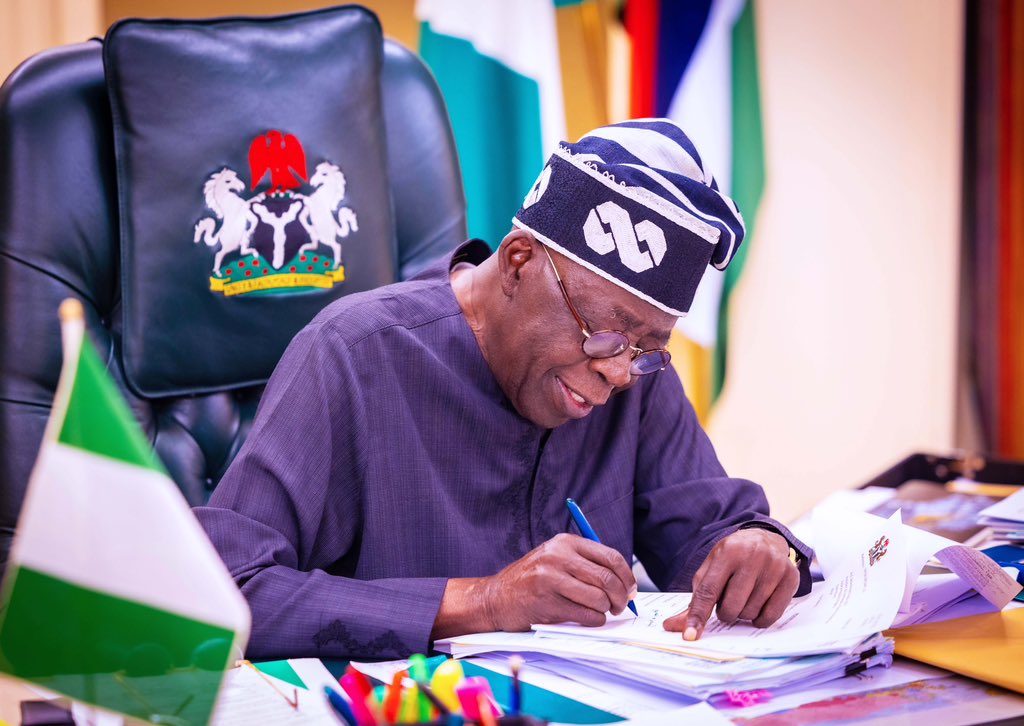
President Bola Tinubu has sought closer alignment between fiscal and monetary policies, including investment in security infrastructure and measures to prevent revenue loss from illegal activities in the oil, gas, and critical mineral sectors.
Economists react
Experts have raised concerns over the scale of the deficit and the timing of budget preparation.
Dr. Muda Yusuf, CEO of the Centre for the Promotion of Private Enterprise, warned that high deficits and debt could create a vicious debt cycle, threaten macroeconomic stability, and worsen inflation and exchange rate pressures.
Prof. Sheriffdeen Tella of Olabisi Onabanjo University criticized preparing a 2026 budget before implementing the 2025 budget, calling it a sign of fiscal disorder.
Prof. Adeola Adenikinju, National President of the Nigerian Economic Society, emphasized that late budget presentation undermines predictability, prevents proper scrutiny, and risks violating the Fiscal Responsibility Act, which limits the deficit to 3% of GDP.
Experts also questioned the quality of government spending, noting that delays in capital releases reduce development impact and borrowing without productive use could worsen inflation and currency instability.
Economists are urging the government to tighten expenditure planning, improve efficiency, and manage deficits carefully to protect Nigeria’s economic recovery and maintain fiscal credibility.