FG Plans to Sell 11 Electricity Companies in New Power Sector Reform
The Federal Government may soon re-privatise Nigeria’s 11 power distribution companies (Discos) if they fail to inject fresh capital into their operations, according to the newly proposed Electricity Act (Amendment) Bill, 2025. The bill, now before the National Assembly, is designed to introduce strong reforms aimed at reviving the ailing power sector. If passed into law, it would give the Nigerian Electricity Regulatory Commission (NERC) the authority to enforce recapitalization or initiate share dilution, receivership, or outright sale of defaulting Discos.
Sponsored by Senator Enyinnaya Abaribe, the bill seeks to close regulatory gaps in the 2023 Electricity Act and address persistent underperformance, growing debts, and investor complacency. It outlines a 12-month deadline for the core investors of these 11 successor companies to inject new capital, failing which the government will take over their assets and seek new investors. The proposal has already passed second reading and is receiving broad legislative attention.
The amendment also mandates the creation of a robust financing framework that targets long-term local currency investments, reduces reliance on fuel-based self-generation, and gradually removes unstructured electricity subsidies. The bill pushes for full recapitalisation of the Discos and clearly defines both federal and state ownership stakes to avoid further ambiguity in equity responsibilities.
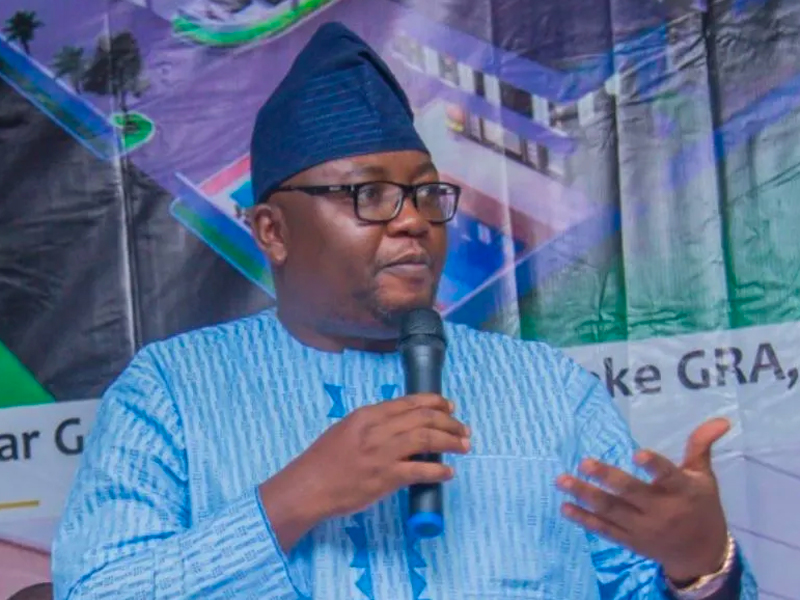
Why is the Federal Government pushing for this recapitalisation now? The FG believes that despite multiple interventions—including debt bailouts, tariff increases, and subsidy support—the performance of the Discos has remained underwhelming. Minister of Power Adebayo Adelabu recently criticised the companies, stating, “If you can’t invest, give way to those who can.” He accused them of sabotaging the government’s efforts to improve electricity supply, insisting that strong actions are now needed.
The 11 power distribution companies, including Abuja, Benin, Eko, Enugu, Ibadan, Ikeja, Jos, Kaduna, Kano, Port Harcourt, and Yola Discos, are the primary electricity providers for Nigeria’s regions. Many of them are already under financial distress or receivership, and a May 2025 report by the Bureau of Public Enterprises revealed that over 70% had failed to meet performance targets set during the 2013 privatisation.
Industry stakeholders, however, argue that expecting a full recapitalisation within 12 months may be unrealistic. Analysts like Habu Sadiek have recommended extending the deadline to 24 months, similar to Nigeria’s banking sector recapitalisation model. He stressed that the recapitalisation push can only succeed if the government settles outstanding subsidy debts and enforces a cost-reflective tariff regime.
Sections 228J and 228K of the bill require the Power Minister and NERC to design a financing strategy within 12 months that reduces the risk for investors while focusing on gas-to-power projects and distributed energy. The plan must also include incentives such as tax breaks to attract local and international investors into the Nigerian Electricity Supply Industry (NESI).
According to a confidential Disco official, the proposed law is binding once passed, and all stakeholders must comply. “It is irrelevant to argue whether it affects us or not. Our duty is to follow and implement the law,” the source said, showing support for stronger regulatory enforcement if it helps rebuild the sector.
Electricity sector expert Chinedu Amah added that Nigeria’s issue is not a lack of policies but poor implementation. He urged the government to reduce subsidies, introduce more transparent tariffs, and encourage public-private partnerships to close infrastructure gaps in the value chain.
In a related development, Minister Adelabu confirmed that a pilot reform project targeting two underperforming Discos—one in the North and one in the South—is currently ongoing. This pilot, developed in collaboration with the Japanese International Cooperation Agency (JICA), is expected to end by August 2025 as part of a larger national reform plan.
Although NERC has not yet issued an official response, the electricity amendment bill has clearly reignited national debate on the future of Nigeria’s power sector. While some view it as a necessary move to rescue the struggling industry, others argue that the law must be implemented with caution to avoid further disruption and maintain investor confidence.
With just months left before the recapitalisation deadline kicks in—if the bill is signed into law—the pressure is mounting on Disco investors to either step up or step aside.