FG and ASUU Reach 2025 Agreement to End University Strikes and Closures
The Federal Government and the Academic Staff Union of Universities (ASUU) on Wednesday unveiled a new agreement aimed at resolving long-standing disputes in Nigeria’s tertiary education sector, which have often led to repeated strikes and prolonged closures of universities. The 2025 agreement is the result of a renegotiation process that started in 2017 to review the 2009 FG–ASUU pact, originally due for revision in 2012.
Past attempts to reach a lasting solution, including committees chaired by Wale Babalakin, Munzali Jibrin, and Nimi Briggs, failed to produce a final agreement. The breakthrough came under the current administration, which inaugurated a renegotiation committee led by Yayale Ahmed in October 2024. After 14 months of discussions, the committee successfully reached a deal focused on improving working conditions, university funding, academic freedom, autonomy, and broader reforms to address sectoral decline, prevent brain drain, and reposition universities for national development.
A key feature of the new agreement is a 40% increase in salaries for academic staff in federal universities, effective from January 1, 2026. Salaries will now include the Consolidated University Academic Staff Salary and a Consolidated Academic Tools Allowance. The tools allowance is designed to support research, journal publications, conference participation, internet access, society membership, and book purchases, to boost productivity and reduce brain drain.
The agreement also restructured nine earned academic allowances, linking them strictly to duties performed, including postgraduate supervision, fieldwork, clinical responsibilities, examination duties, and leadership roles. For the first time, a Professorial Cadre Allowance was introduced for senior academics, with full professors set to earn N1.74 million annually and readers N840,000 per year. This measure aims to recognise experience, enhance dignity, and strengthen the academic profession.
Speaking at the unveiling in Abuja, Education Minister Dr. Tunji Alausa described the agreement as a turning point in Nigeria’s tertiary education system. “This deal represents renewed trust, restored confidence, and a decisive turning point in the history of our universities,” Alausa said, adding that the process was personally overseen by President Bola Tinubu. The minister stressed that decades of unresolved remuneration and welfare issues had previously led to recurring strikes, but the administration chose dialogue over discord to ensure uninterrupted academic calendars.
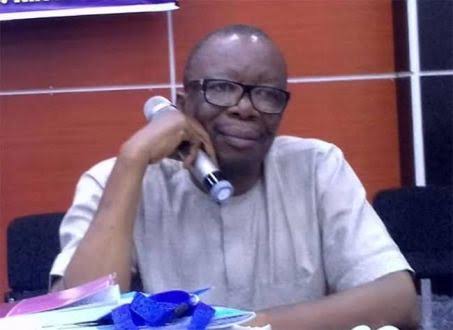
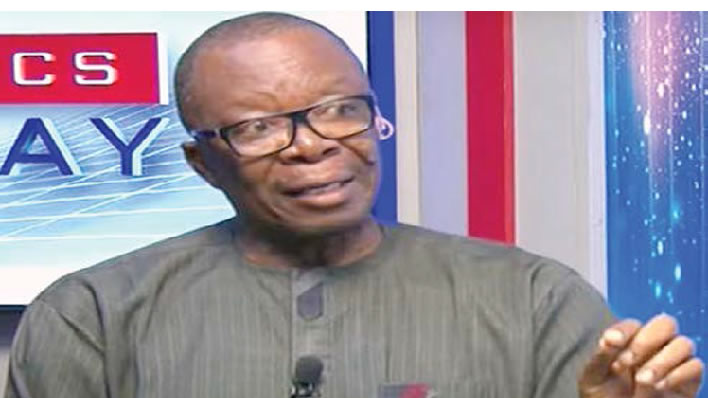
While acknowledging the government’s efforts, ASUU President Prof. Chris Piwuna cautioned that structural, governance, and socio-economic challenges still threaten the sustainability of Nigerian universities. Piwuna noted that although university autonomy is recognised in law, its implementation remains weak, with governing councils often overridden or dissolved and vice-chancellor appointments sometimes influenced by political interests.
ASUU also raised concerns about inadequate research funding, poor accountability in university management, declining academic standards, and economic challenges such as fuel subsidy removal, naira devaluation, rising transport costs, and insecurity, all of which impact access to higher education. The union emphasised that without addressing these broader issues, the gains of the 2025 agreement could be undermined.
Despite these concerns, ASUU expressed cautious optimism about the agreement’s implementation, hoping it would restore stability and dignity to the university system without the need for future strikes. The union urged continued cooperation between the government and academic staff to ensure the full realisation of the terms agreed upon in 2025.