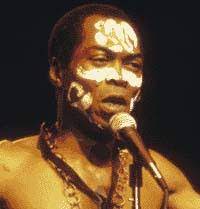
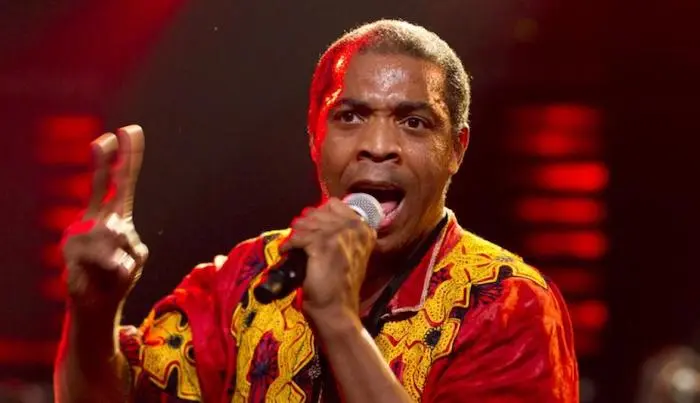
Femi Kuti Explains Why He Couldn’t Follow Fela’s Footsteps
Afrobeats musician Femi Kuti has opened up about the struggles he faced in carving out his own identity in music while growing up in the shadow of his legendary father, Fela Anikulapo-Kuti. Speaking on the Afropolitan Podcast, Femi explained why he could not follow in Fela’s exact footsteps despite the pressure from fans, the media, and the public.
The son of the Afrobeat pioneer revealed that from a very young age, people expected him to continue his father’s style and legacy. He recalled how schoolmates, strangers, and even people on the streets constantly compared him to Fela, often questioning why he was not replicating his father’s sound or activism. This pressure, he said, made his journey more difficult as he struggled to discover his own voice.
According to Femi, he eventually realized he could not become anyone else—not even jazz greats like Charlie Parker or John Coltrane, and certainly not his father. He explained that he had to find his own sound and his own truth as Femi Kuti, even if it meant facing rejection at the beginning.
Femi shared that at some point in his early career, he lived with Fela and even tried to imitate his father’s style of music. However, he soon understood that imitation would not help him grow, so he made the bold move of forming his own band. This decision was not welcomed by many at the time. Some of Fela’s fans and even the press criticized him harshly, making it hard for him to be accepted in the music scene.
Despite the backlash, Femi credited his grandmother’s guidance for helping him remain focused when he was close to losing direction. Her tough advice and strict words kept him grounded and encouraged him to continue building his own path. He said her support was crucial in pushing him to reconnect with his vision and stay committed to his music.
Looking back, Femi described the challenges he faced as necessary for his growth. He said that living under Fela’s shadow made it hard to see his own dream, but enduring the pain, criticism, and struggles gave him the strength to build his own success. According to him, he had to suffer through rejection before he could truly establish himself as Femi Kuti.
He explained: “If God wanted me to be Fela, I would have been Fela. I had to be Femi Kuti. His fan base descended on me. They hated me. The press hated me. There was no internet then, so I couldn’t even defend myself. I had to feel my pain. I had to strive for my own success. Being under my father’s roof, I couldn’t even see that dream.”
Today, Femi Kuti is celebrated as one of Africa’s most respected musicians in his own right, carrying the Afrobeat torch while adding his unique sound and perspective. His journey reflects not only the difficulty of living up to a legendary name but also the resilience required to step out of that shadow and become an icon in his own way.