Domestic Refineries Plan to Cut Petrol Imports in 2026
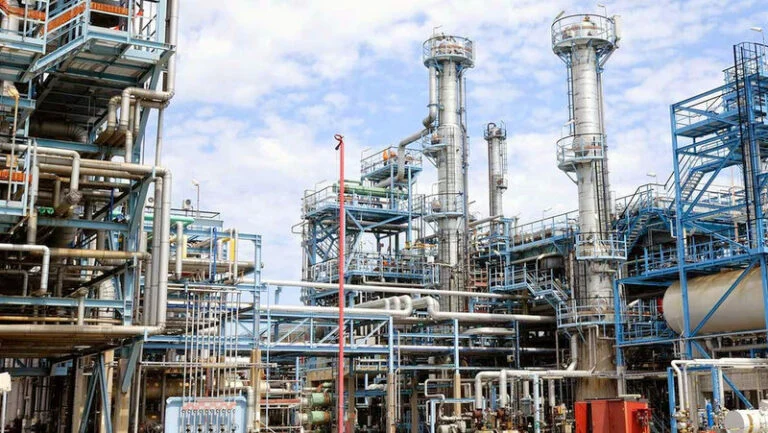
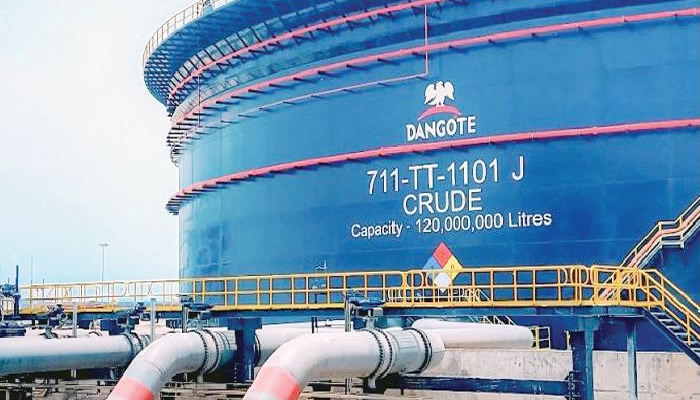
Domestic refineries in Nigeria have declared that they have the capacity to meet the nation’s fuel demand in 2026, potentially reducing the country’s reliance on petrol imports. The Crude Oil Refiners Association of Nigeria (CORAN) stated that its members, including the Dangote Petroleum Refinery, can supply all the fuel Nigerians need if adequate support and crude feedstock are provided.
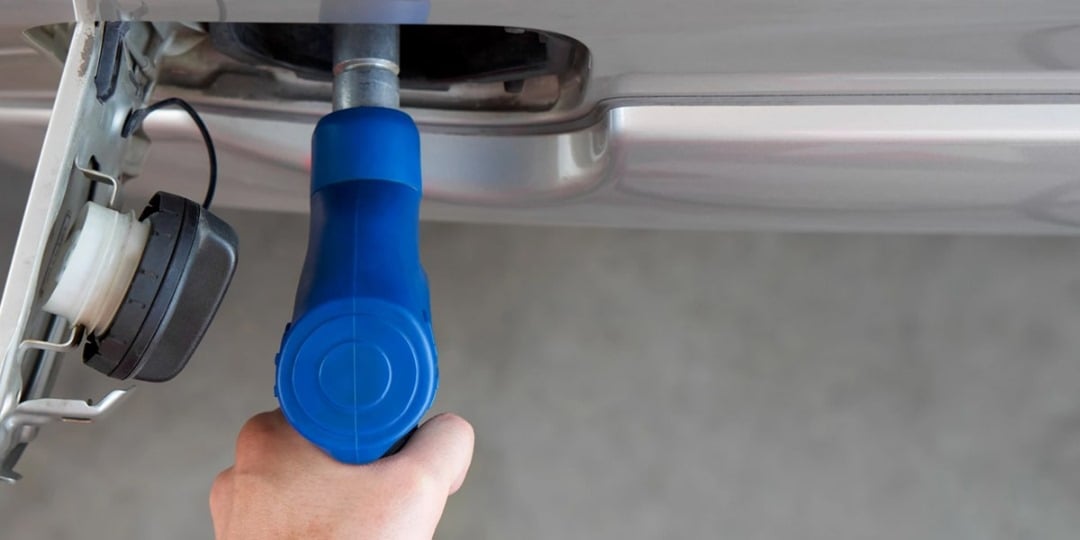
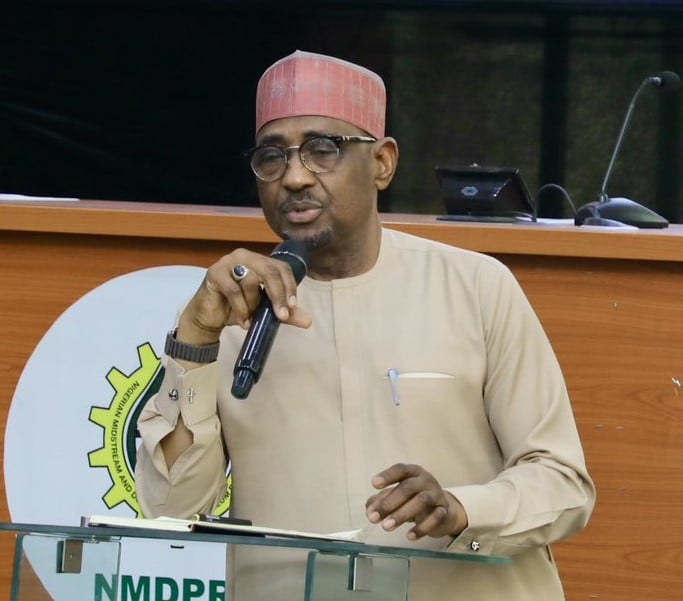
In 2025, petrol imports remained the dominant source of fuel in Nigeria, accounting for 62.47 per cent of total Premium Motor Spirit (PMS) consumption, despite the steady ramp-up in production by the 650,000-barrels-per-day Dangote refinery. Total national petrol consumption last year was estimated at 18.97 billion litres, with imports contributing 11.85 billion litres, while domestic refineries supplied 7.54 billion litres, representing 37.53 per cent of total consumption, according to the Nigerian Midstream and Downstream Petroleum Regulatory Authority (NMDPRA).
Speaking on the development, CORAN’s Publicity Secretary, Eche Idoko, explained that the current output of local refineries is limited primarily due to insufficient crude supply. He said some modular refineries, such as OPAC, operate at only 10 per cent capacity, and others experience intermittent shutdowns due to feedstock shortages.
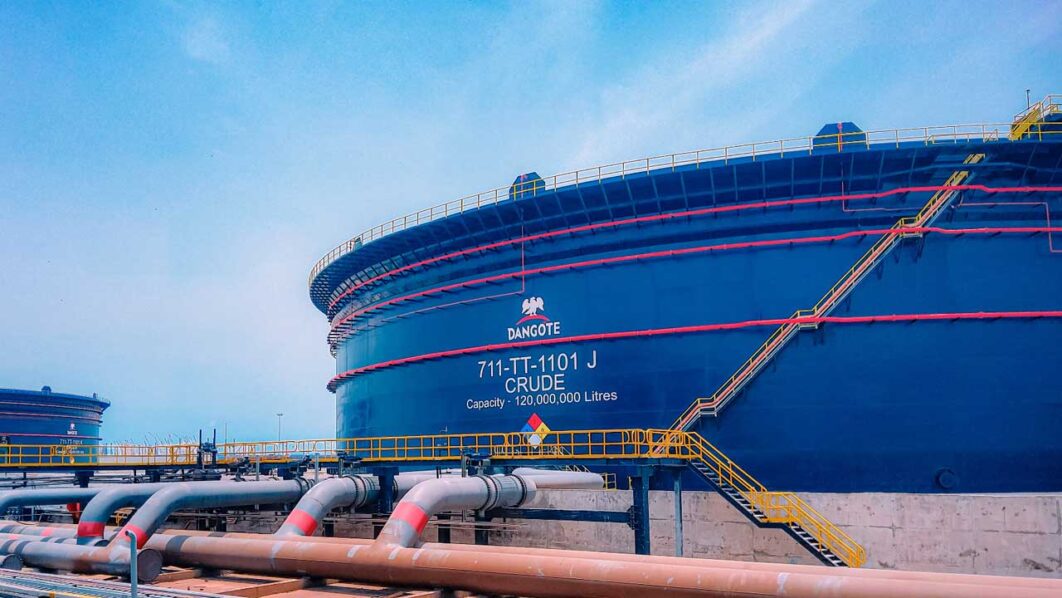
“The Dangote refinery now produces about 50 million litres of PMS daily, but our consumption peaks at approximately 54 million litres. With proper feedstock allocation, our refineries can surpass imports and fully meet domestic demand,” Idoko stated.
He also noted that refineries under construction have slowed because financiers demand guarantees on consistent crude supply. Idoko urged the government to support local refiners financially, proposing a refinery infrastructure development fund similar to initiatives in the gas sector.
According to Idoko, integrating independent surveying companies to verify production and stock levels at refineries could improve the accuracy of data used by regulators like NMDPRA, instead of relying solely on truck-out volumes.
The Dangote refinery has confirmed that it currently has sufficient fuel for domestic needs while also exporting to other countries. The President of the Dangote Group, Alhaji Aliko Dangote, previously criticised former NMDPRA leadership for issuing import licences while local storage tanks were full, arguing that importation was undermining Nigeria’s economy.
Dangote recently slashed petrol gantry prices to encourage local purchase and discourage importation. Despite the price reduction, which led to losses of about N60 billion in November 2025, the refinery remains committed to increasing local supply.
Data shows that imported petrol fell from 52.1 million litres per day in November to 42.2 million litres per day in December, while Dangote’s supply increased from 19.5 million litres per day to 32 million litres per day over the same period. The refinery has also commenced night-time loading operations to maintain a daily production and evacuation target of 50 million litres of petrol nationwide, according to Managing Director David Bird.
With adequate support and feedstock availability, Nigeria’s domestic refineries are now positioned to significantly reduce petrol imports in 2026 and strengthen local fuel supply.