Deutsche Bank Shows Strong Interest in Funding Lagos Carter and Third Mainland Bridges
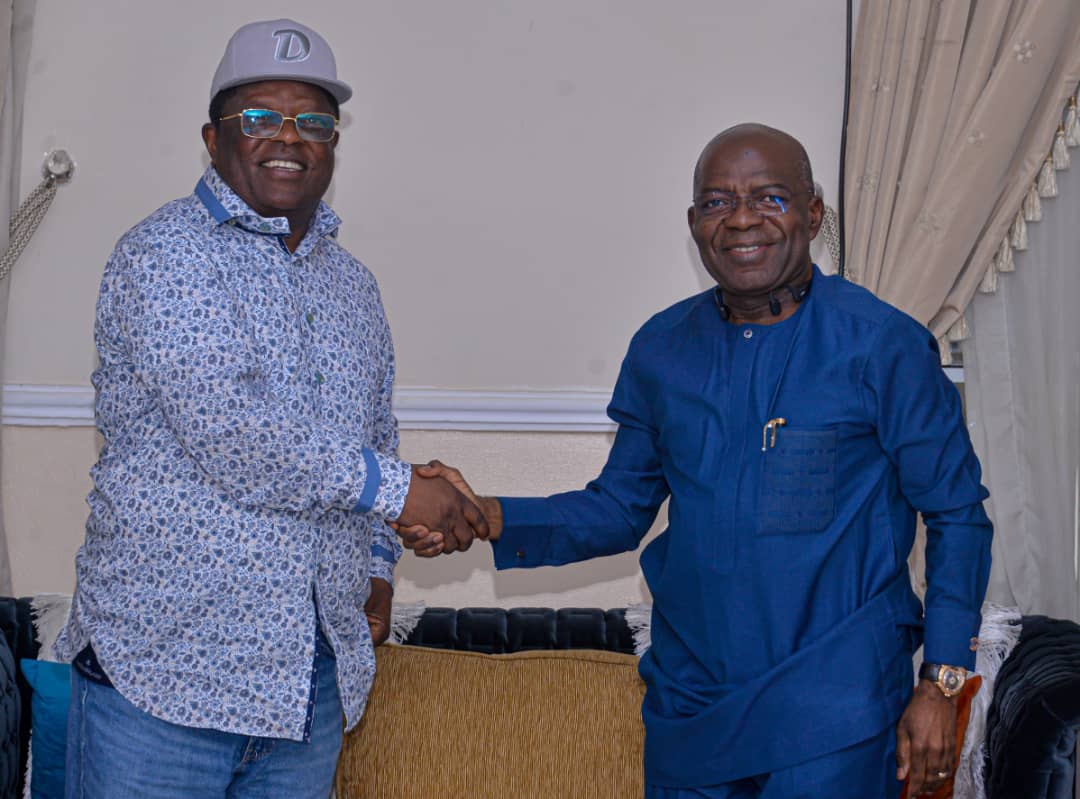
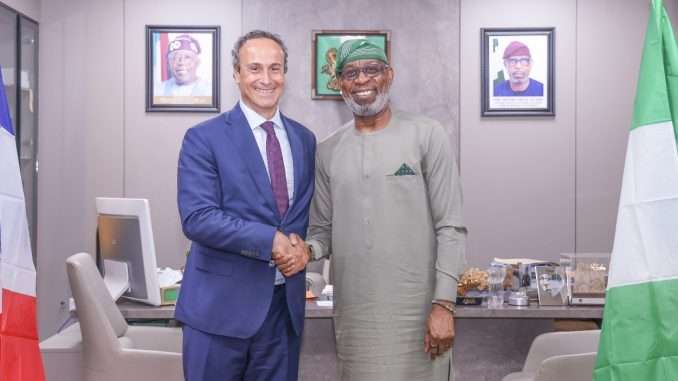
Deutsche Bank has shown growing interest in funding major rehabilitation and replacement works on two of Lagos’ most important bridges — the Carter Bridge and the Third Mainland Bridge. This development comes as the Federal Government steps up efforts to attract global financing for its large road infrastructure projects across the country. A team from Deutsche Bank, led by Moritz Dornemann and Andreas Voss, held discussions with the Minister of Works, David Umahi, in Abuja, where the bank also reaffirmed its interest in further supporting the Lagos-Calabar Coastal Highway.
During the visit, the delegation praised the Federal Government’s commitment to rebuilding ageing transport infrastructure and noted that President Bola Tinubu’s resolve to modernise the country’s road network was encouraging global investors. The bank made it clear that it was impressed with the government’s direction and highlighted its willingness to support strategic projects, especially those that can boost national productivity. They also expressed confidence in Nigeria’s ability to deliver major infrastructure after seeing the progress made on the Lagos-Calabar Coastal Highway being handled by Hitech Construction Ltd.
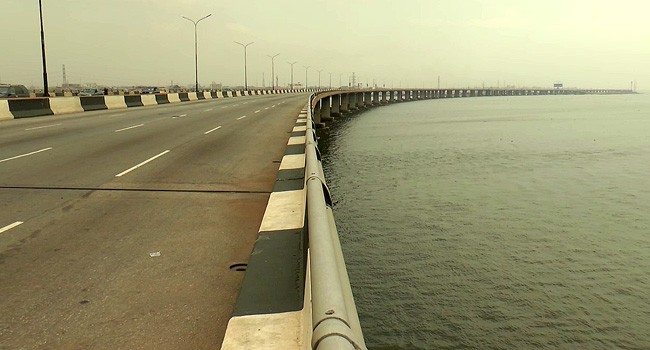
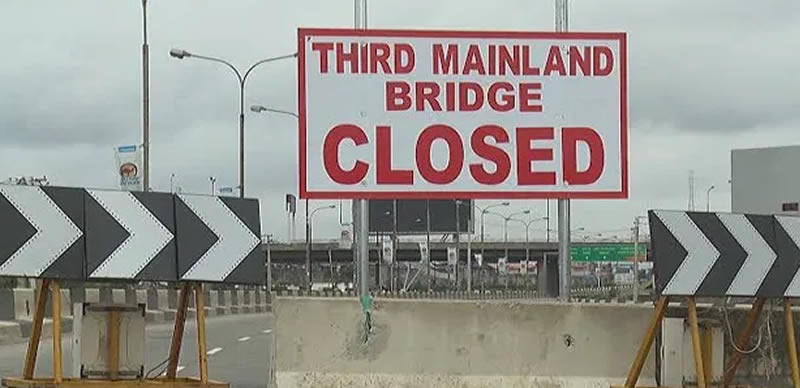
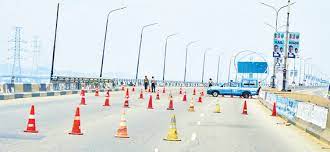
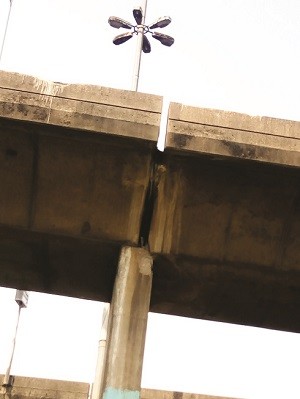
In their mission statement, Deutsche Bank officials confirmed interest in funding the complete replacement of the Carter Bridge and the rehabilitation of the underwater parts of the Third Mainland Bridge. The Carter Bridge, one of the oldest bridges in Lagos, has suffered decades of wear and structural fatigue. The Third Mainland Bridge, which is Africa’s second-longest bridge, has also developed severe underwater defects after years of heavy traffic, saltwater corrosion and repeated repairs. The bank acknowledged these challenges and said it was ready to explore funding options to help Nigeria preserve these key national assets.
Responding to the offer, Umahi thanked the bank for its confidence in Nigeria’s infrastructure programme. He revealed that the Lagos-Calabar Coastal Highway had already been oversubscribed by over $100m, showing strong investor interest. He also said Deutsche Bank had shown interest in evaluating the project cost, noting that the financiers believed the project might even be undervalued. Umahi explained that the Carter Bridge had deteriorated to the point where replacement was now the most realistic option, although some remedial work was still being done to stabilise it.
The minister also explained that the Third Mainland Bridge requires a complete restoration of its underwater elements to ensure it can remain safe for the next 50 years. Over the past decade, the bridge has undergone several phases of repairs targeting expansion joints, bearings and deck overlay, but new engineering reports show that the underwater piles need urgent attention. Umahi assured the Deutsche Bank team that the government was following a fair procurement process and promised that the bank would be carried along once qualified bidders were selected.
This new engagement marks another major step in the Federal Government’s plan to partner with reputable global financiers to close the funding gap in Nigeria’s infrastructure sector. Lagos, being the country’s busiest commercial hub, has been particularly affected by ageing bridges and growing traffic loads. Years of exposure to saltwater, vibration and overuse have weakened key structures, making both the Carter Bridge and the Third Mainland Bridge top priorities for urgent intervention and long-term safety.
The Third Mainland Bridge, which opened in 1990, remains one of Nigeria’s most important transport corridors. It stretches about 11.8 kilometres and connects millions of commuters between the mainland and the island daily. Despite several repair phases between 2012 and 2024, experts have continued to warn that the underwater piles require major strengthening. Government reports have noted signs of deterioration, stressing that only a comprehensive overhaul can keep the bridge safe for future use.
The Carter Bridge, originally built in 1901 and later rebuilt in the 1970s, is another historic structure facing serious structural issues. Its age and constant exposure to harsh coastal conditions have caused corrosion, overstressed steel elements and weakened bearings. Although the government has tried to preserve it through periodic repairs, engineers now agree that full replacement is the safest long-term solution. Deutsche Bank’s interest in financing these works is seen as an important opportunity to restore two of Lagos’ oldest and most heavily used bridges.