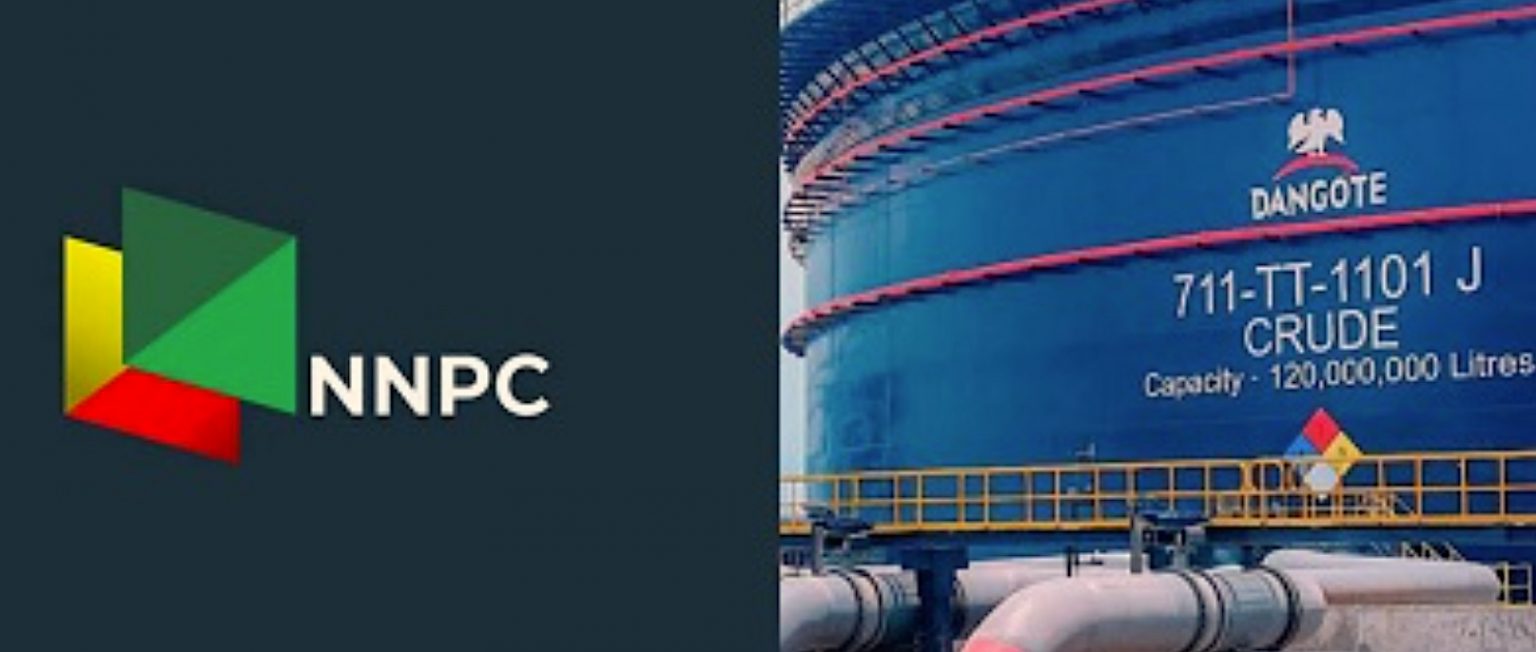
Dangote Refinery Gets Second Crude Shipment From Ghana As Plant Reduces European Supply
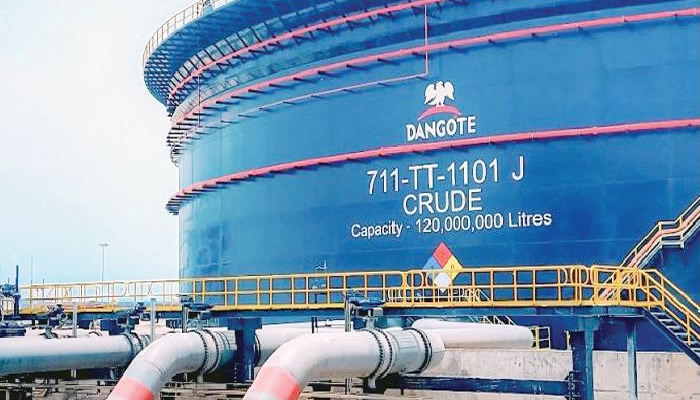
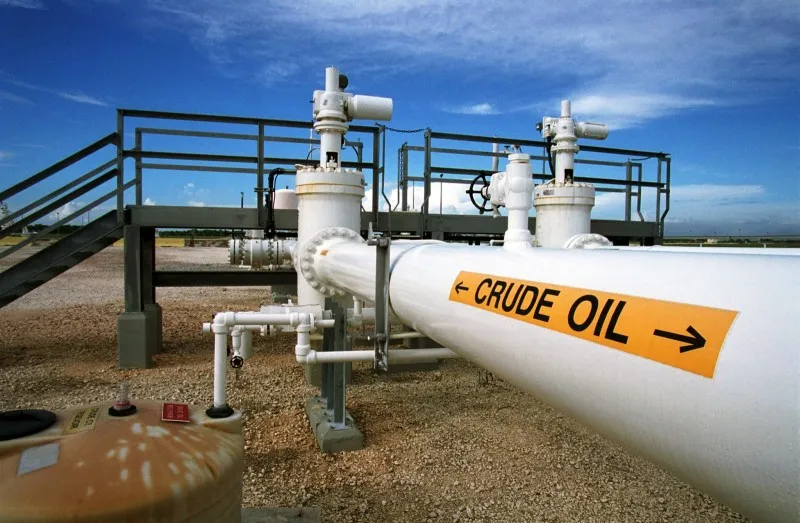
The Dangote Petroleum Refinery has received its second crude oil shipment from Ghana, marking another major step in its plan to rely more on West African crude as the refinery continues adjusting its operations. The new cargo, which contains Ghana’s Sankofa crude grade, arrived in November and signals that the refinery is now gradually shifting away from buying crude from Europe. Industry watchers believe that this shift will help the plant prepare for major scheduled maintenance while supporting faster supply from nearby producers.
Reports from energy-tracking company Kpler reveal that crude deliveries to the refinery averaged about 380,000 barrels per day between September and November, which is roughly 30 percent lower than the volumes the plant purchased during the peak period between July and August. The report noted that the November supply was dominated by Nigerian crude grades such as Bonny Light, Amenam, Forcados, Utapate, and Qua Iboe, while the Sankofa cargo from Ghana was the only non-Nigerian component. This shows that Dangote is now prioritising crude that is closer to home because it reduces transport time and supports stable scheduling.
The supply adjustment comes at a time when the refinery is experiencing several operational challenges. According to Kpler, the refinery has had repeated outages and is currently undergoing major maintenance work. One of the biggest shutdowns involves the Residue Fluid Catalytic Cracking (RFCC) unit, which has faced technical issues for months. This unit officially went offline on December 4 and will remain shut for about two months before restarting in February 2026. Additionally, the Crude Distillation Unit (CDU) will also be shut down for one week in late January as part of scheduled maintenance.
Because of these shutdowns, the refinery has cut down its crude intake from Europe, especially from the North Sea and Mediterranean regions. This has created more room for Nigerian crude grades, which are now forming the backbone of the refinery’s supply. Analysts believe that the refinery’s move is strategic because it reduces costs and improves efficiency during maintenance periods. It also strengthens West Africa’s role in Dangote’s long-term operations.
The reduction in crude processing has already begun to affect Nigeria’s fuel market. With the RFCC unit offline, petrol production at the refinery is expected to drop from recent levels of 100,000–130,000 barrels per day to around 80,000 barrels per day between December and February. As a result, Nigeria has increased petrol imports from Europe to meet the country’s rising demand. In November alone, petrol imports nearly doubled to about 300,000 barrels per day, the highest in more than one year. Most of this fuel reportedly came from European countries like the Netherlands and Belgium.
Kpler also explained that Nigeria’s overall refinery operations are expected to fall from about 450,000 barrels per day in October to between 320,000 and 350,000 barrels per day for the December to February period. However, things are expected to improve significantly once the maintenance work is completed. The refinery could achieve over 500,000 barrels per day of crude processing by April 2026, restarting the earlier momentum that many Nigerians have been expecting.
Despite the temporary reduction in production, the Dangote Group has assured Nigerians that the festive season and the New Year will not experience fuel scarcity. The company’s president and chief executive, Aliko Dangote, announced that the refinery will supply 1.5 billion litres of petrol to the Nigerian market in both December 2025 and January 2026. This means that the refinery will release at least 50 million litres per day, ensuring that petrol remains available nationwide even with the ongoing maintenance work.
Dangote added that the refinery will further increase supply to 1.7 billion litres in February, which is about 60 million litres per day, as part of its commitment to national fuel stability. According to him, the company has already informed the Nigerian Midstream and Downstream Petroleum Regulatory Authority (NMDPRA) about the supply plan. Many Nigerians are hoping that this move will reduce the frequent dependence on imported petrol and support the long-term goal of energy independence.