Dangote Redeploys Sacked Refinery Engineers to Other States After PENGASSAN Crisis
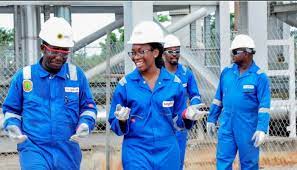
The Dangote refinery has started re-engaging the engineers who were sacked during its dispute with the Petroleum and Natural Gas Senior Staff Association of Nigeria (PENGASSAN). The affected workers have now been offered redeployment to projects and business units under the Dangote Group in various states across the country. Some of these workers had not yet completed their graduate trainee programmes before they were dismissed during the crisis.
According to reports, many of the engineers have been instructed to resume at different Dangote-owned sites, including a coal mining project in Benue State, road construction projects in Borno and Ebonyi, and rice processing plants in Kebbi, Niger, Sokoto, and Zamfara. They were given 14 days to report at their new duty posts or risk losing their jobs permanently. The redeployment letters were issued under Dangote Projects Limited and stated that the workers would undergo further training while working on these new assignments.
The redeployment letters, signed by the Chief General Manager of Human Asset Management, Femi Adekunle, explained that the workers would be engaged as trainee engineers for a two-year training programme. They will learn technical and operational processes and are expected to submit periodic progress reports. The company also noted that either the trainee or the organization may terminate the engagement with one month’s notice or payment in lieu of notice.
However, the workers expressed concern about being posted to locations they described as security risk zones. Some said their letters did not include clear office addresses or reporting points for the new assignments. They argued that accepting such letters without clear reporting information could result in their employment being automatically terminated for failing to resume. For this reason, some members have been advised by PENGASSAN leadership to delay acceptance of the redeployment while negotiations continue.
The crisis began when PENGASSAN alleged that the refinery sacked around 800 workers for joining the union. In response, oil and gas workers shut down several facilities across the country, causing a drop in crude oil production and power generation. The Federal Government later intervened, and the Dangote Group was directed to restore the jobs through redeployment into other business divisions rather than the refinery itself. Dangote refinery insisted that only workers who posed operational risks were dismissed and described the move as part of internal restructuring.
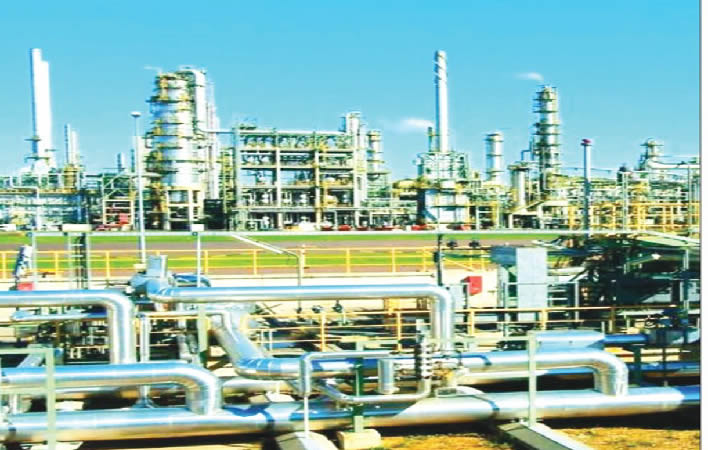
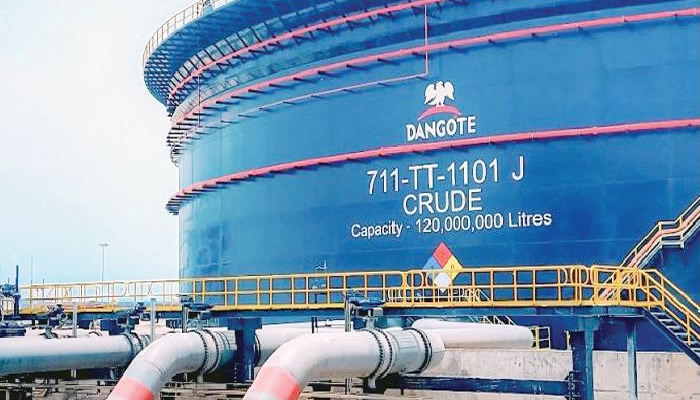
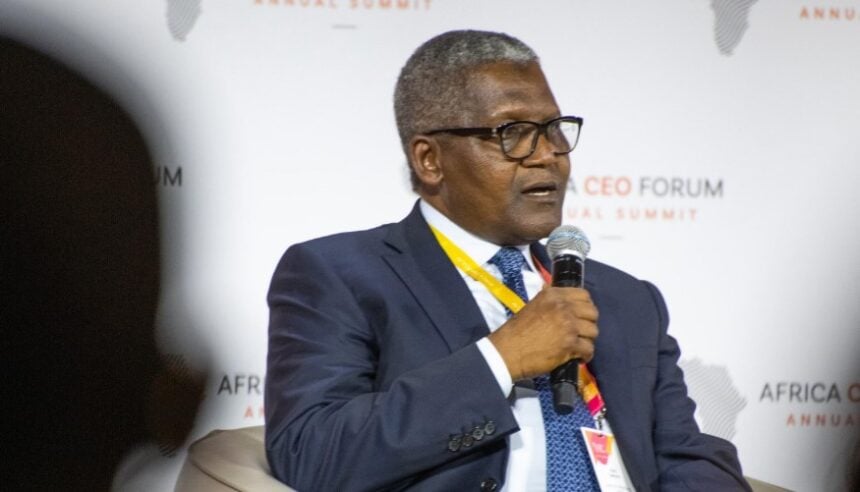
Meanwhile, Aliko Dangote, the President of the Dangote Group, confirmed that the company is now expanding the refinery’s processing capacity from 650,000 barrels per day to 1.4 million barrels per day. He said the expansion will require over 65,000 workers and may create new opportunities across the company’s businesses. However, it is not yet clear whether the redeployed engineers will be reassigned back to the refinery as part of this expansion.
Dangote also lent support to proposed amendments to the Petroleum Industry Act (PIA), arguing that the changes would boost local refining and help Nigeria achieve energy security. He stated that only crude oil that cannot be refined locally should be exported and called for stronger enforcement of this policy. The Federal Government, led by President Bola Tinubu, also expressed support for the refinery’s expansion and pledged continued collaboration with private investors in the energy sector.
At the same time, Dangote announced plans to build a large fuel distribution tank farm in Namibia to export refined petroleum products to countries such as Botswana, Zimbabwe, Zambia, and South Africa. This move aims to strengthen the company’s role as a major supplier of refined products across Africa and reduce dependence on foreign imports. As the refinery expands production capacity, its regional influence is expected to grow significantly.