Apostle Femi Lazarus Restricts Instagram Comments After Backlash
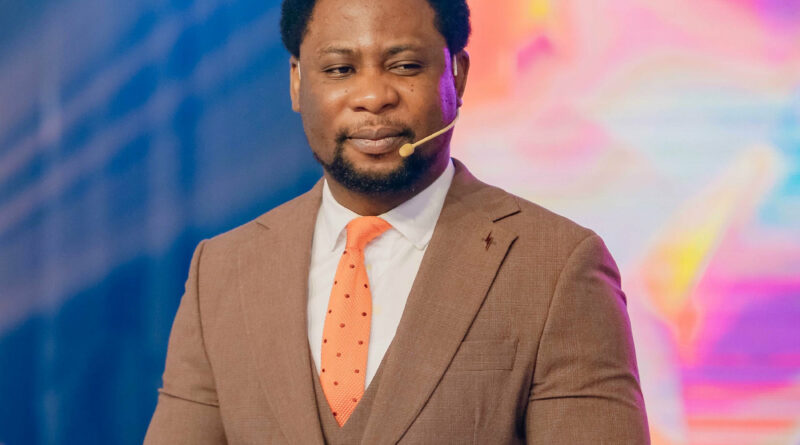
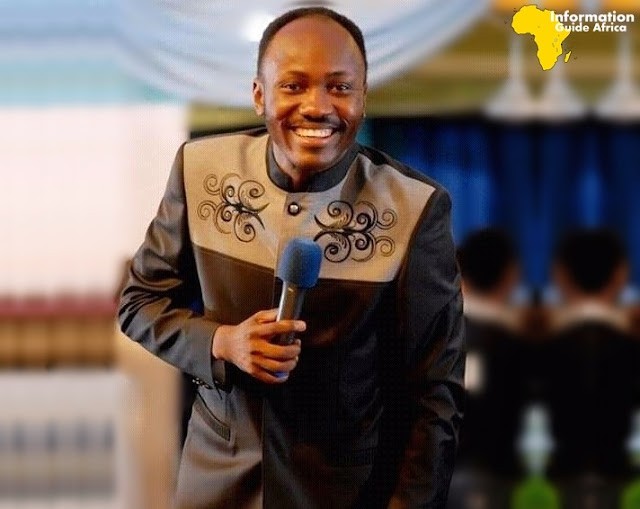
Apostle Femi Lazarus, founder of Sphere of Light Church, has restricted comments on his official Instagram account after facing backlash over his controversial remarks about U.S. involvement in Nigeria. The decision to limit comments comes amid growing criticism from Nigerians, including members of the Christian community.
The controversy began after a widely shared video surfaced in which Apostle Lazarus suggested that America’s interest in Nigeria is not motivated by humanitarian concern but by strategic efforts to exploit and divide the nation. He referenced events during former President Goodluck Jonathan’s administration and highlighted how nations rich in mineral resources often attract foreign powers seeking influence.
Following the backlash, Instagram now displays the message “Comments have been limited,” meaning only approved users or followers can respond. This is a common feature used by public figures to prevent spam, abusive remarks, or negative feedback from overwhelming their accounts.
Several Nigerians shared their reactions online. Some criticized the Apostle’s views, while others questioned his leadership. Comments included:
@InibeheEffiong: “I genuinely like @FemiLazarus_ and some of his messages. My admiration for him once led me to his Church, Sphere of Light in Ikeja, on a given Sunday for service. However, I have noticed that he has been changing in ways that aren’t admirable.”
@SpiricocoNg: “Femi Lazarus, one day you will stand before God and give an account. This man, Evangelist Ezekiel Dachomo, has buried more Christians murdered by Muslim terrorists than you have planted church branches.”
@real_POK: “Femi Lazarus is a motivational speaker, he’s not a pastor.”
@kennethvifah77: “Apostle Femi Lazarus knows exactly what he is doing. HE IS NOT IGNORANT and he is a disgrace of a Pastor.”
The situation highlights the tension surrounding public figures commenting on sensitive political issues in Nigeria, especially regarding the intersection of religion and politics. Limiting comments may help Apostle Lazarus manage the online conversation, but it has also drawn attention to the widespread scrutiny religious leaders face in the digital age.
Experts note that while social media allows religious leaders to connect with followers, controversial statements can quickly spark national debates, requiring careful navigation to maintain credibility and influence.