FG Urges Private Sector to Drive Universal Health Coverage in Nigeria
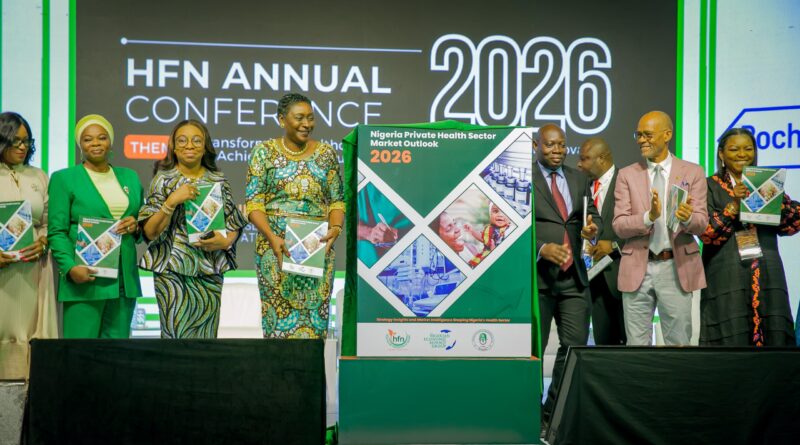
The Federal Government has emphasised the importance of innovation and strong public-private partnerships in achieving universal health coverage for all Nigerians, stressing that collaboration between government and the private sector is critical to transforming the healthcare system. This position was highlighted at the 2026 Annual Conference of the Healthcare Federation of Nigeria (HFN) in Lagos, held under the theme “Transforming Healthcare: Leveraging Private Sector Innovation to Achieve Quality Outcomes and Universal Health Coverage.”
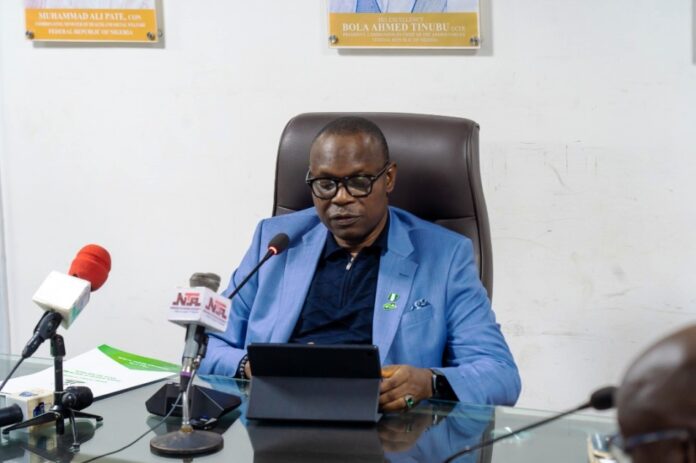
Speaking on behalf of the Minister of State for Health and Social Welfare, Dr Iziaq Salako, Dr Saheed Ogunme, Chief Medical Director of the Federal Medical Centre, Ebute-Metta, said that Nigeria’s growing population, now over 220 million, is placing unprecedented pressure on healthcare services. He highlighted persistent challenges, particularly maternal and child mortality, noting that Nigeria accounts for nearly one in five maternal deaths worldwide. “These figures are not mere statistics; they represent mothers, children, and families whose potential contributions to national development have been cut short,” Ogunme said.
He further explained that out-of-pocket spending still accounts for more than 70 per cent of total healthcare expenditure, leaving millions vulnerable to catastrophic health costs. Ogunme stressed that urgent health reform is needed and outlined government plans between 2026 and 2030 to improve healthcare quality, strengthen emergency medical systems, expand health insurance coverage, and deepen public-private collaboration. He also noted that the Presidential Initiative for Unlocking the Healthcare Value Chain aims to boost domestic pharmaceutical manufacturing and reduce dependence on imported medicines by 2030.
At the event, Lagos State Commissioner for Health, Prof Akin Abayomi, highlighted Lagos’s ambitions to become a healthcare hub for Nigeria and the wider West African sub-region. He pointed to growing interest from medical professionals abroad, but acknowledged a critical shortage of healthcare workers, revealing that the state has about 7,000 doctors, far short of the estimated 30,000 needed to adequately serve its population. Abayomi stressed the importance of expanding both human resources and infrastructure to support growing demand and strengthen confidence in the system.
Mrs Njide Ndili, President of the Healthcare Federation of Nigeria, highlighted the private sector’s commitment to supporting national healthcare priorities through research-driven investments. She noted a collaboration with the Nigerian Economic Summit Group to conduct a nationwide survey identifying areas where private sector resources could complement government initiatives. “For the private sector, evidence-based data and information are essential to guide investment and policy. Whatever we do must be driven by research and reliable information,” Ndili said, noting that the study provides practical insights into aligning private resources with government programs.
Dr Richardson Ajayi, a nephrologist and healthcare entrepreneur, identified weak regulation of health facilities as a major barrier to achieving universal health coverage. He explained that lack of proper facility oversight reduces trust among patients and discourages investment in healthcare infrastructure. Ajayi advocated for the adoption of digital infrastructure and technology-driven regulation to improve standards, transparency, and accountability. “A digital compliance platform where hospitals are connected, facilities upload their data, and AI supports inspections can help improve accountability and confidence in the system,” he said.
The conference reinforced the view that achieving universal health coverage in Nigeria requires coordinated action across government, private sector, and development partners, with innovation, regulation, and research-driven policy as key drivers for sustainable improvement.