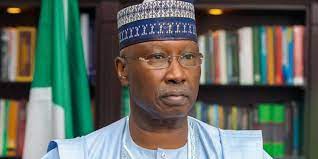
Wike Says Tinubu Should Not Be Blamed Alone for Nigeria’s Challenges
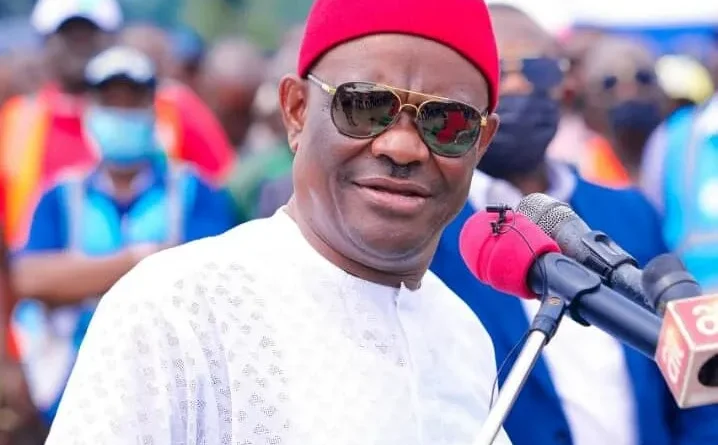
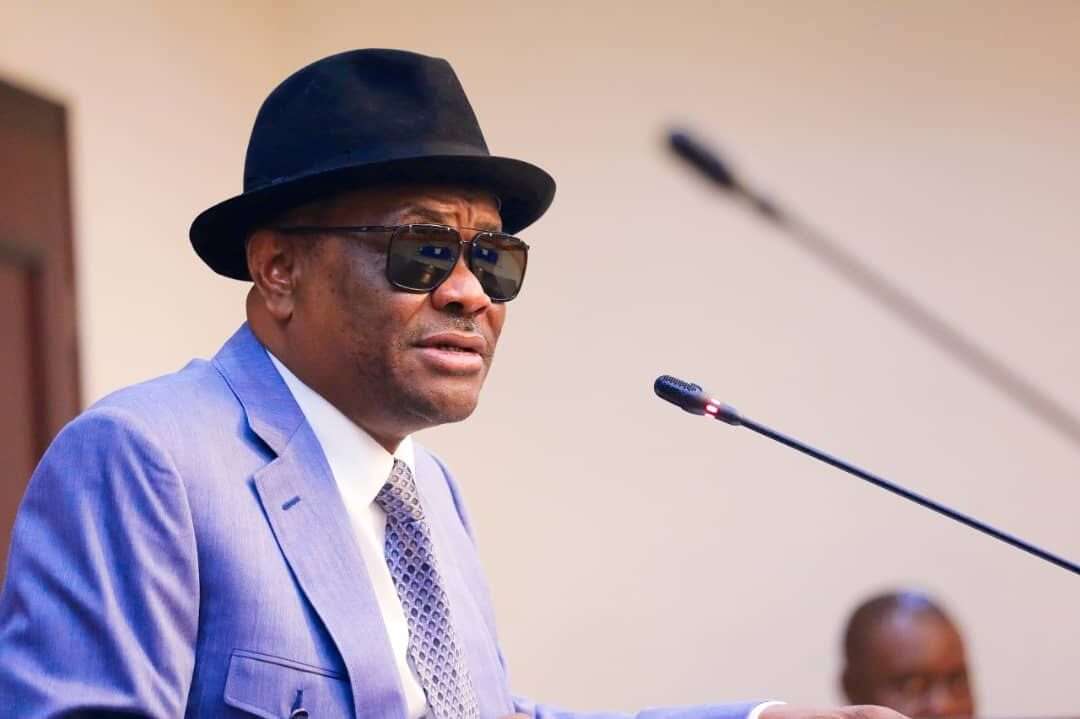
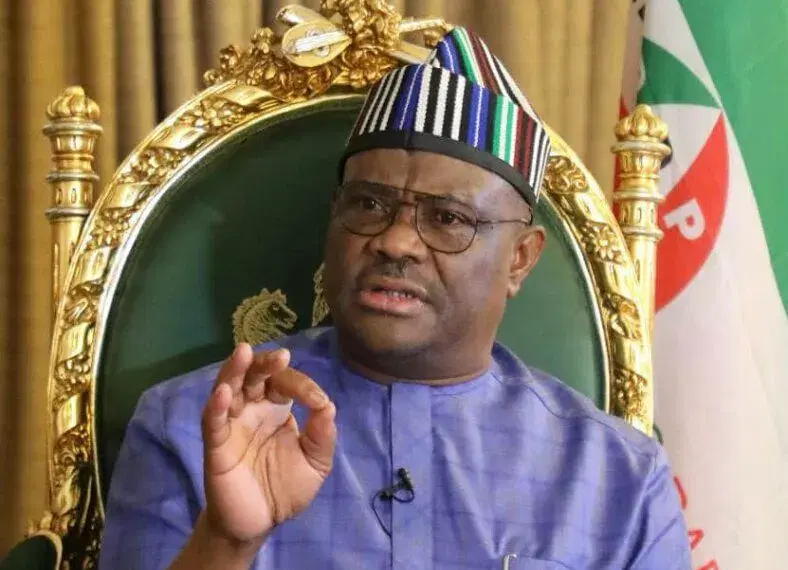
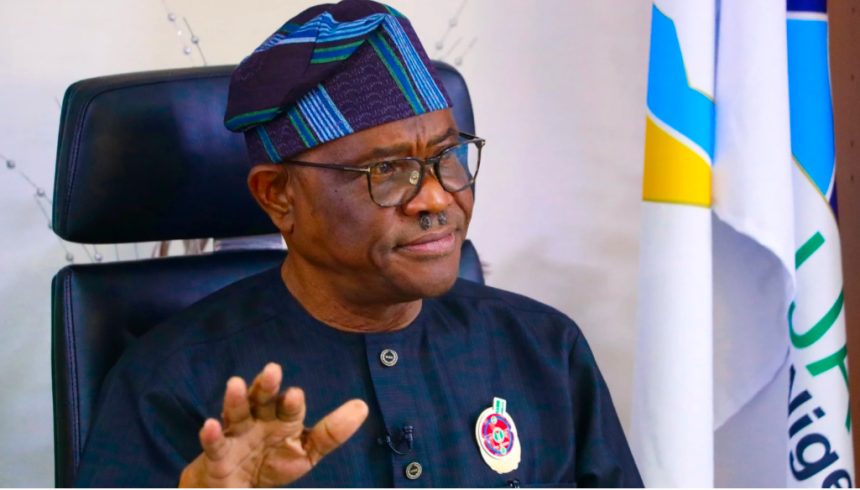
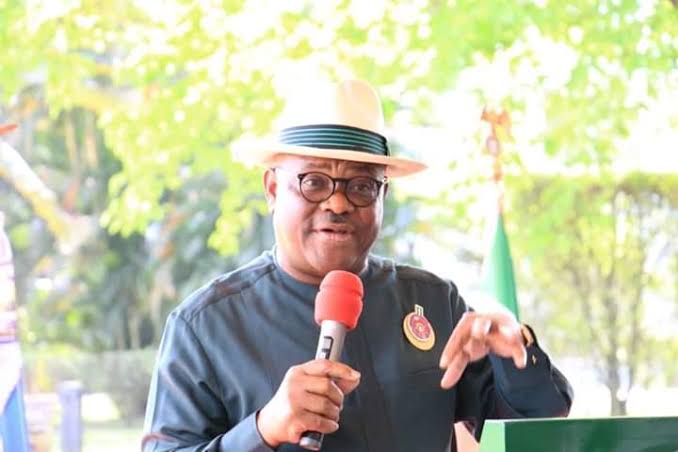
Minister of the Federal Capital Territory, Nyesom Wike, has said Nigeria’s long-standing development problems are rooted mainly in what he described as a chronic failure of leadership over the years, rather than a lack of resources or ideas. He made the remarks while delivering a lecture at the Faculty of Social Sciences of University of Abuja.
During the lecture, Wike argued that President Bola Ahmed Tinubu should not be singled out or held solely responsible for the country’s current challenges. Instead, he said Nigeria’s struggles with infrastructure, healthcare, and institutional development reflect decades of leadership shortcomings that predate the current administration.
According to the FCT minister, Nigeria’s biggest obstacle has often been leadership that emerges from self-interest rather than a clear national vision. He noted that many administrations in the past failed to prioritise long-term development goals, which contributed to persistent gaps in public services and economic stability.
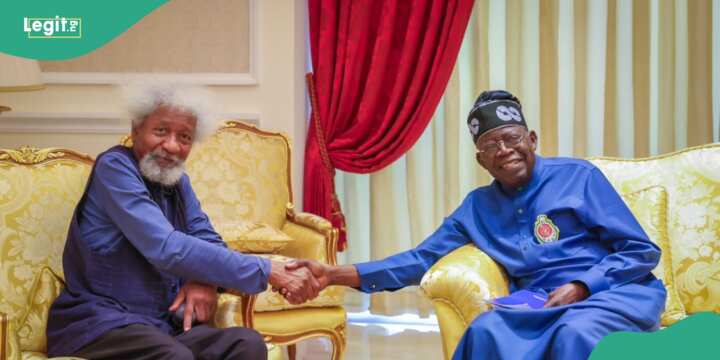
Wike praised Tinubu as an example of what he called courageous and visionary leadership, pointing to the president’s history in democratic activism and his tenure as governor of Lagos, where he said reforms in revenue generation and infrastructure helped reshape governance in the state. He described Tinubu’s approach as one focused on difficult but necessary decisions.
One of the key examples cited by Wike was the removal of fuel subsidy shortly after Tinubu assumed office. He described the move as a demonstration of political courage, arguing that although the policy has caused short-term hardship and public resistance, it has also freed up resources for development and helped address unsustainable fiscal pressures.
The minister also highlighted broader initiatives under the administration, including efforts to strengthen security, increase funding for the military, and introduce reforms aimed at correcting structural imbalances across regions. He said these steps are intended to rebuild state capacity and improve governance outcomes.
According to Wike, even critics of the government can acknowledge some visible progress, particularly in infrastructure development. He said the administration’s Renewed Hope Agenda represents a deliberate attempt to reorder national priorities toward sustainable growth, emphasising that infrastructure investment is essential for long-term progress.
Concluding his remarks, Wike stressed that democracy should be judged not only by elections or political rhetoric but by its ability to deliver real value to citizens. He said Nigeria is at a critical point where leadership must focus on tangible results that improve people’s lives.