FG Begins Distribution of 2,000 Tractors to Boost Farming and Food Production in Nigeria
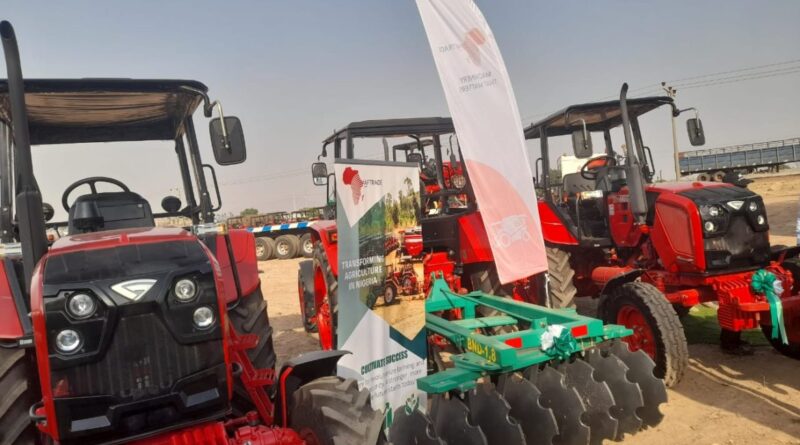
The Federal Government of Nigeria has officially begun distributing tractors to beneficiaries under the Nigeria Agriculture Mechanisation Programme, marking a major step toward improving farming productivity and strengthening food security across the country. The rollout ceremony took place in Sheda, Abuja, where the Minister of Agriculture and Food Security, Abubakar Kyari, described the initiative as the largest single agricultural mechanisation programme ever undertaken on the African continent.
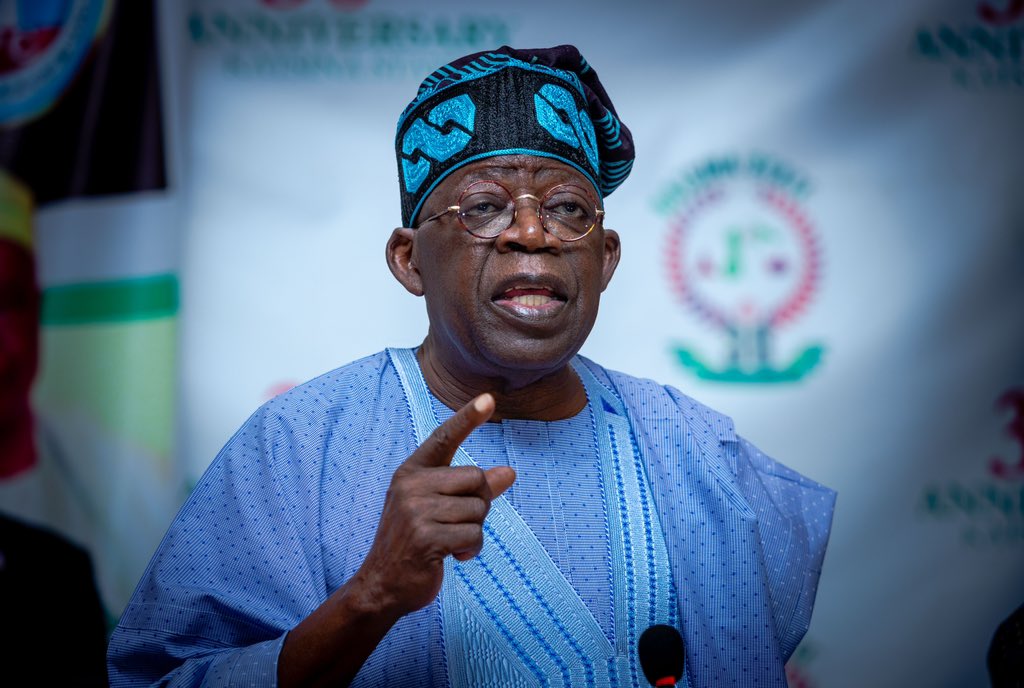
The tractors are part of a broader initiative launched in July 2025 by President Bola Ahmed Tinubu under the Renewed Hope Mechanisation Programme. At the launch, the administration introduced 2,000 high-quality tractors equipped with trailers, plows, harrows, sprayers, and planters. The government also commissioned 10 modern combined harvesters, 12 mobile workshops, 50 bulldozers for land development, and more than 9,000 supporting implements and spare parts to support farmers nationwide.
According to the government, the programme is designed to cultivate over 550,000 hectares of farmland, produce more than two million metric tons of staple food, create over 16,000 jobs, and directly support more than 550,000 farming households across Nigeria’s six geo-political zones. Officials say the initiative is a key part of efforts to reduce food shortages, stabilise prices, and improve agricultural output.
Seven months after the official launch, the first phase of distribution has now commenced, with tractors being allocated to beneficiaries selected from across the country. Kyari explained that the rollout signals the beginning of what he called a “National Agricultural Productivity Revolution,” aimed at ending the long-standing problem of low tractor availability in Nigeria’s farming sector.
He noted that the first batch includes 600 tractors, which will be followed by additional phases involving 750 tractors and 650 tractors, respectively, bringing the total to 2,000 units nationwide. The minister revealed that more than 100,000 applications were received for the first phase alone, reflecting strong interest and confidence in the programme.
Explaining the distribution model, Kyari clarified that the tractors are not being handed out for private ownership. Instead, they are allocated to mechanisation service providers who will use them to support farmers. Each tractor is expected to service about 600 hectares annually, helping to improve efficiency and expand cultivation. The programme is expected to benefit up to 1.2 million farmers across more than 1.5 million hectares each year.
The minister also highlighted that many of the service providers include women-led enterprises operating under lease-to-own arrangements, ensuring that women farmers and agribusiness operators are included. He emphasised that the initiative is not just about distributing machines but about transforming agricultural productivity and achieving national food sovereignty.
To ensure sustainability, the government said the Bank of Agriculture, working with Heifer International, will manage structured financing models, leasing systems, and performance-based access to guarantee proper use and maintenance of the equipment. Officials say this approach will promote accountability and ensure that the tractors deliver measurable impact.
On maintenance, Kyari assured that each tractor comes with two years of free service support. The government is also deploying 36 mobile service workshops for quick repairs and technical support, building seven major mechanisation service centres nationwide, and supporting the development of a large tractor assembly plant capable of producing between 2,000 and 4,000 tractors annually to reduce dependence on imports.
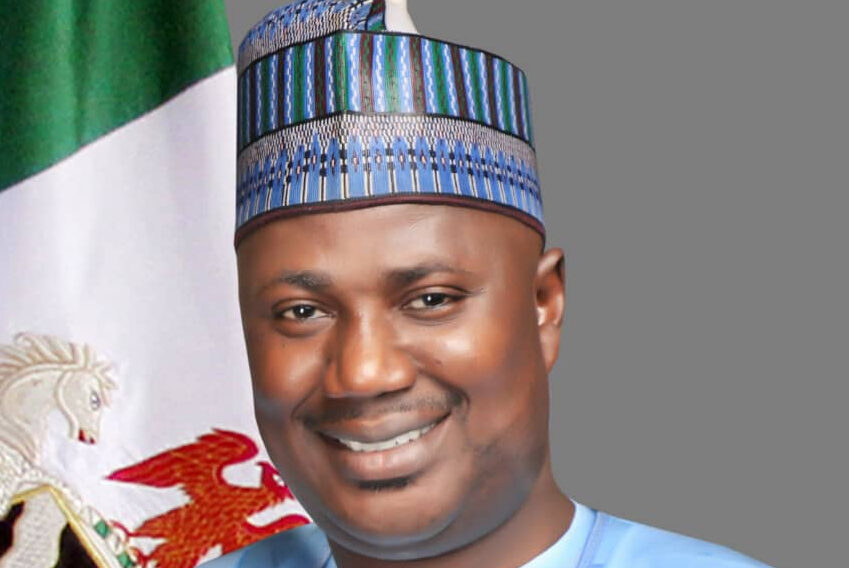
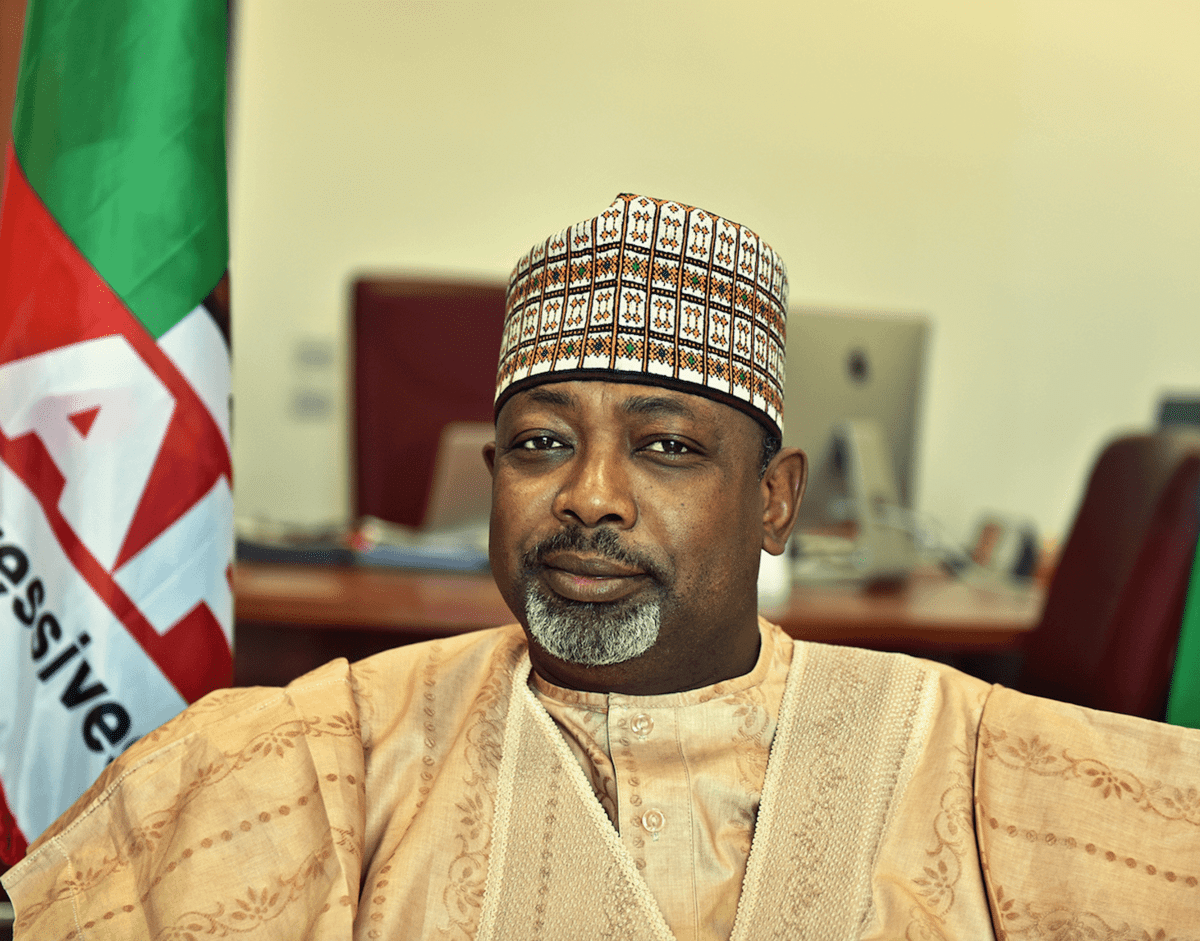
In his remarks, the Minister of State for Agriculture and Food Security, Sabi Aliyu Abdullahi, said the programme is designed to be inclusive and transparent. He assured that all eligible beneficiaries would receive support and that no group would be left out, adding that measures are in place to ensure long-term sustainability.
The government believes that increased mechanisation will help modernise farming, reduce manual labour, improve yields, and make agriculture more attractive to young people. As distribution continues, stakeholders say the success of the programme will depend on proper management, maintenance, and equitable access to ensure that the tractors truly transform Nigeria’s agricultural sector.