Nigerians Call for Real Time Election Result Upload as Ezekwesili Warns Senate
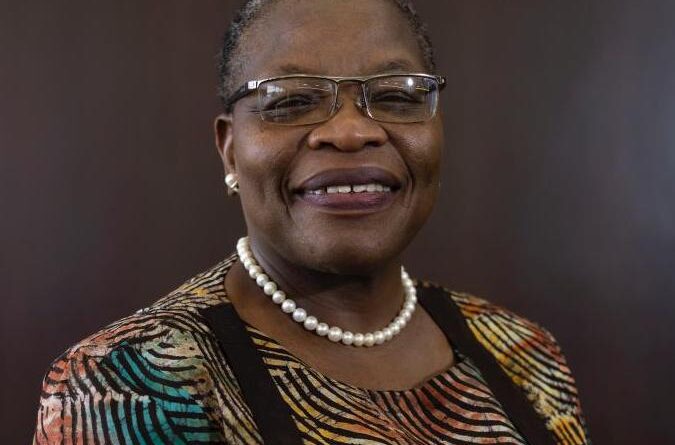
Former Minister of Education, Oby Ezekwesili, has warned Nigerian senators that they are “playing with fire” by keeping unclear provisions in the amended Electoral Act. Her warning comes as many Nigerians continue to demand a clear legal requirement for the real-time election result upload in Nigeria directly from polling units.
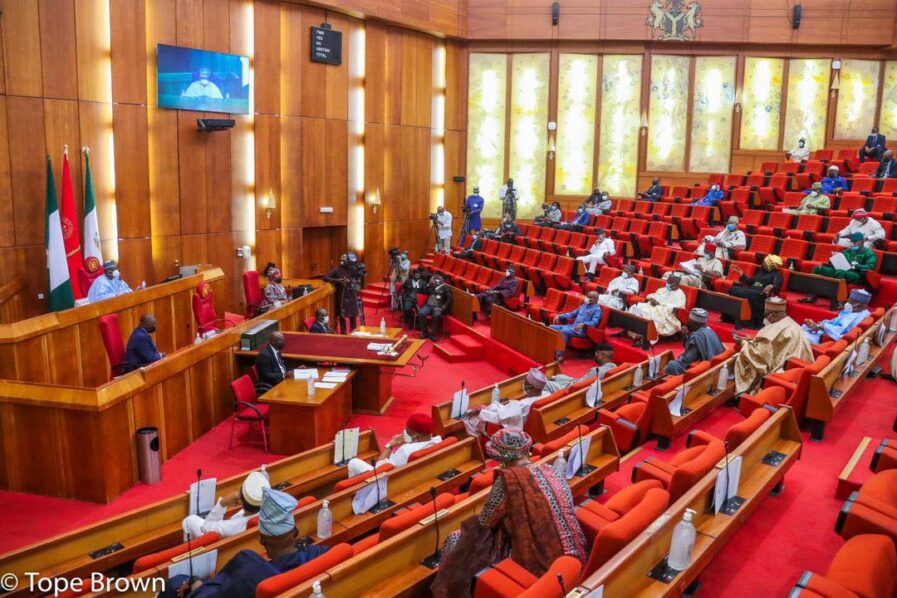
Speaking during an interview on ARISE News, Ezekwesili reacted to the Senate’s recent passage of the Electoral Act amendment bill. The bill followed hours of debate, especially over how election results should be transmitted and how much power should be left to the Independent National Electoral Commission, INEC. According to her, the Senate failed to fix the key problem that caused public distrust in the 2023 general elections.
Ezekwesili pointed out that the lawmakers retained Section 60(5) of the 2022 Electoral Act. This section allows INEC to decide how results are transmitted, instead of clearly making real-time electronic upload mandatory. She explained that this same loophole was heavily criticized after the last general elections because it gave room for confusion and reduced public confidence.
She reminded Nigerians that before the 2023 elections, INEC officials assured voters, especially young people, that results from polling units would be uploaded electronically to the INEC Results Viewing Portal (IREV). When this did not happen as expected, many citizens began to question the credibility of the process. Court rulings later stated that the law did not strictly require INEC to upload results in real time, which further weakened trust in the system.
According to Ezekwesili, many Nigerians saw the new amendment process as a chance to close these gaps and restore faith in democracy. Instead, she said the Senate’s decision has left citizens feeling disappointed and angry. She stressed that transparency in elections is not optional, but a key part of democratic legitimacy.
She also warned that public frustration could lead to greater voter apathy. Citing the 2023 presidential election, she noted that less than 35 percent of registered voters took part in the election. In her view, this shows that many Nigerians are already losing interest in the democratic process, and lawmakers should be concerned rather than making decisions that push citizens further away.
Ezekwesili rejected the idea that citizens demanding accountability are causing trouble. She said democracy belongs to the people, not politicians, and that citizens have the right to speak up when they feel their votes may not count. She called on the Senate to urgently revisit the amendment and insert a clear clause that makes the electronic transmission of results from every polling unit compulsory.
Reading out a proposed wording, she said the law should clearly state that the presiding officer must electronically transmit results from each polling unit to INEC’s results portal in real time, after the result forms are signed and stamped. She urged senators to act quickly and correct the issue, saying transparency is safer for democracy than leaving room for doubt.
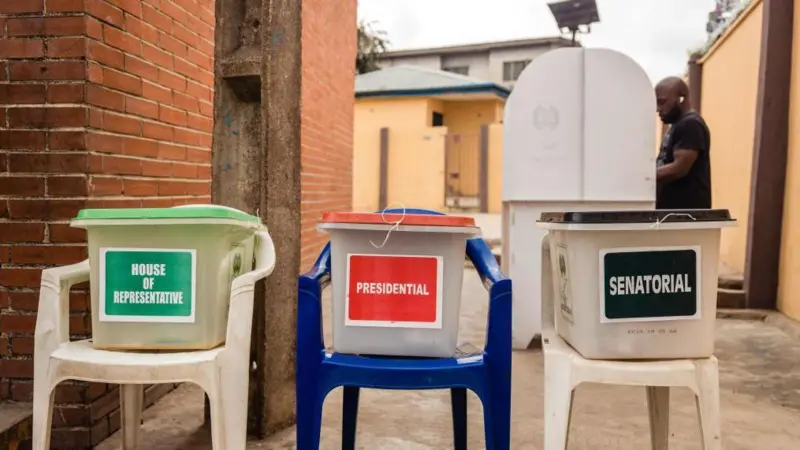
The controversy comes as Nigeria prepares for the 2027 general elections. While Senate leaders have said they did not reject electronic transmission, critics argue that failing to make it mandatory weakens election credibility. For many Nigerians, the demand remains clear — real-time result uploads are necessary to rebuild trust in the country’s electoral system.
What are Nigerians demanding about the election results?
Many citizens and civil society groups want a law that clearly forces INEC officials to upload polling unit results electronically and in real time to prevent manipulation and increase transparency.
Why is this important for Nigeria’s democracy?
Supporters believe that real-time electronic transmission will reduce disputes, increase public trust, and make election outcomes more credible both locally and internationally.