Distillers Warn NAFDAC Sachet Alcohol Ban Could Cost 5.5 Million Jobs
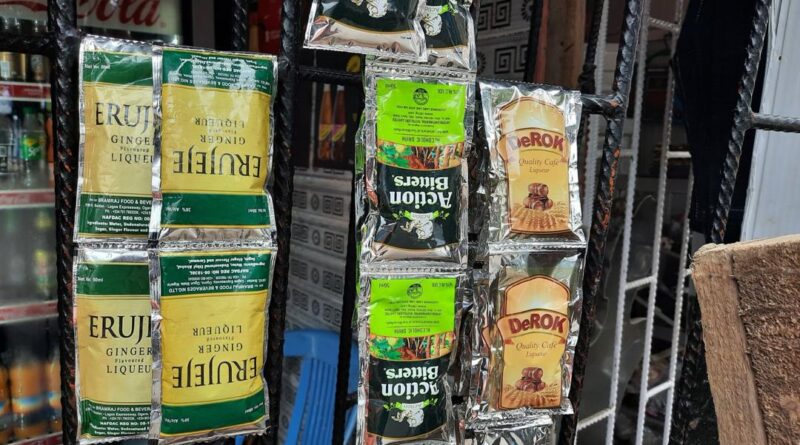
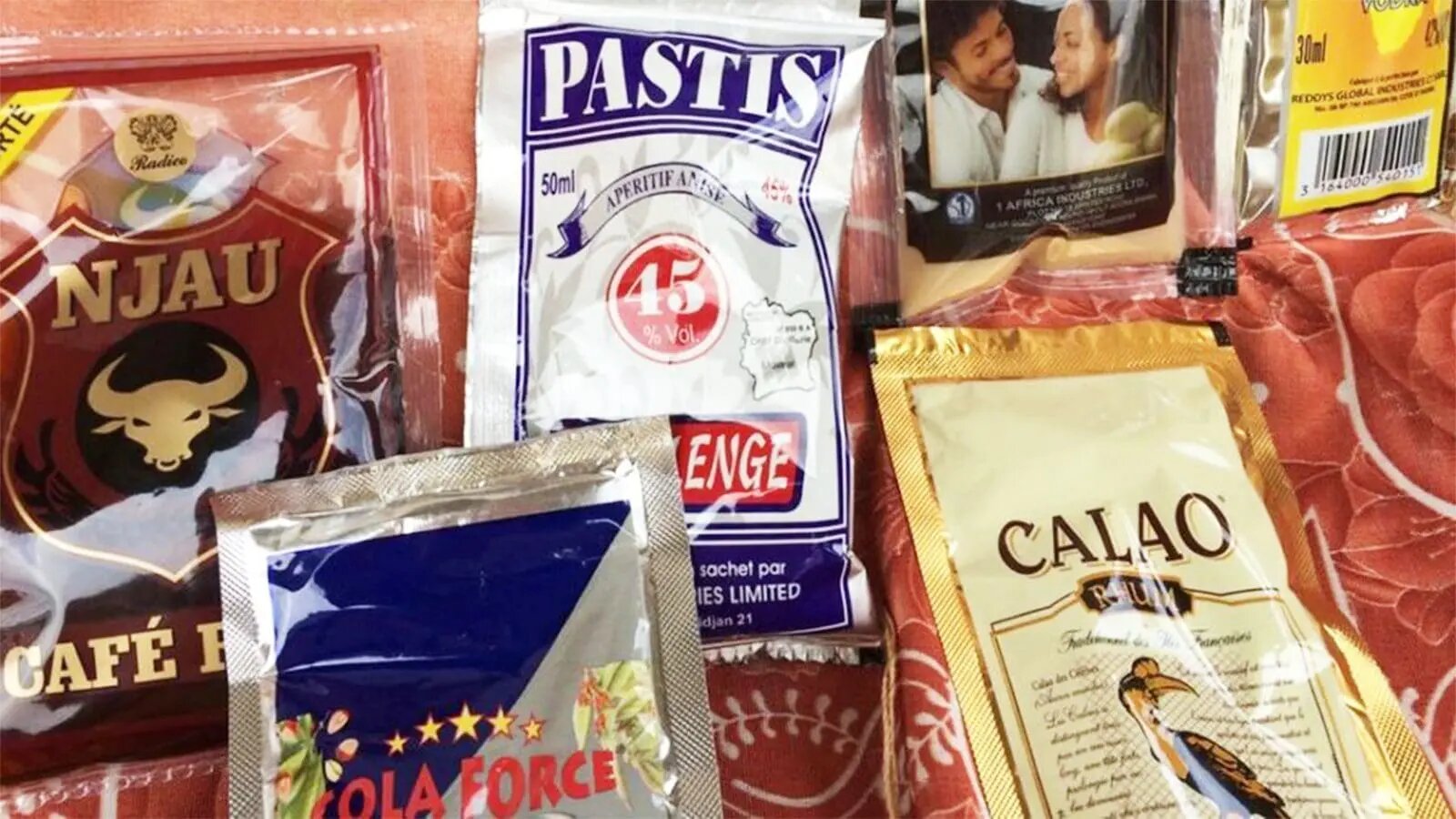
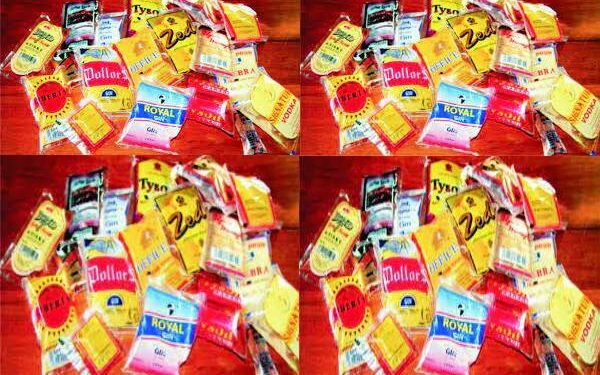
Members of Nigeria’s distillers’ sector have raised alarm over job losses following the National Agency for Food and Drug Administration and Control’s (NAFDAC) enforcement of the ban on sachet alcohol and PET bottles below 200ml. According to industry stakeholders, the ban could directly and indirectly affect over 5.5 million Nigerian workers.
The protest was led by the Food, Beverages and Tobacco Senior Staff Association (FOBTOB) and the National Union of Food, Beverages and Tobacco Employees (NUFBTE), both affiliated with the Trade Union Congress (TUC) and the Nigeria Labour Congress (NLC). On Friday, the unions besieged NAFDAC’s Lagos office to express their opposition to the enforcement order.
PUNCH Online reports that NAFDAC had announced the ban in November 2025, following a Senate directive, and had originally planned to enforce it by December 2025. However, enforcement was temporarily halted after the Federal Government, through the Office of the Secretary to the Government of the Federation (SGF), called for a suspension to allow consultations and finalize the directive.
NAFDAC’s Director-General, Prof. Mojisola Adeyeye, confirmed in a recent briefing that the agency had received a Senate-matched order to proceed with the ban and had commenced enforcement.
At the protest, FOBTOB Executive Secretary Solomon Adebosin warned that the policy would have devastating consequences for the Nigerian workforce. “We have 500,000 Nigerians working directly in this sector and over five million indirectly, and they are going to be affected. Access and control are what we should be talking about. Let us control who consumes these products so minors do not have access,” he said. Adebosin further argued that NAFDAC’s claim that children are consuming sachet alcohol lacks empirical evidence.
Azeez Razaq, Head of Department, Brewery and Tobacco at NUFBTE, criticized NAFDAC for acting contrary to the SGF’s directive to suspend enforcement. He described the agency’s actions as sabotage of indigenous manufacturers, warning that the shutdown of companies could worsen unemployment and insecurity in the country.
Anthony Oyagha, a member of FOBTOB, echoed calls for presidential intervention, urging the government to ensure that regulatory agencies align with national policies. He emphasized that local manufacturers deserve protection, not punitive measures, and appealed for decisive action to safeguard investments, protect jobs, and strengthen Nigeria’s business environment.
The distillers’ unions stressed that they have continued advocacy and sensitization efforts to prevent minors from accessing alcohol products. They insisted that with proper control and regulation, the industry can operate safely without endangering children.
The protests underscore the tension between public health regulations and economic realities, highlighting the challenge of balancing regulatory compliance with job preservation and industry growth in Nigeria.