National Grid Collapses Again as Power Generation Crashes to 24MW
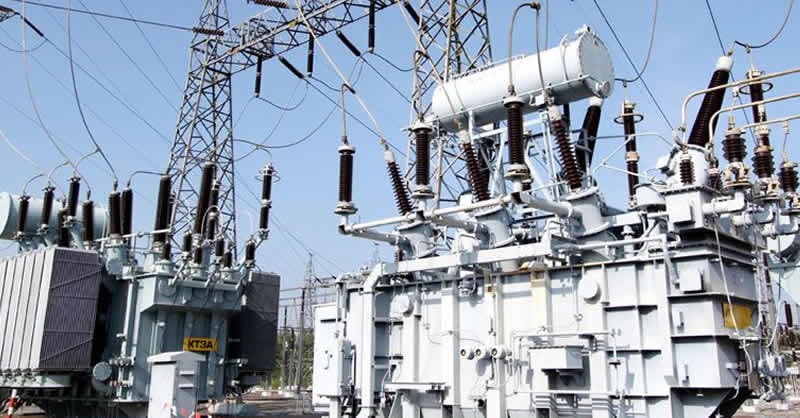
Nigeria’s national power grid has collapsed once again, plunging several parts of the country into darkness and disrupting electricity supply to millions of homes and businesses. The incident marks the first grid collapse recorded in 2026.
Checks revealed that power generation dropped dramatically from more than 4,500 megawatts to as low as 24 megawatts by about 1:30 pm on the day of the collapse. This sharp decline affected electricity distribution across the country, leaving many areas without power.
Reports indicate that all 23 power generation plants connected to the national grid lost output during the incident. As a result, zero electricity allocation was recorded for each of the 11 electricity distribution companies nationwide, effectively cutting off supply to consumers.
As of the time this report was filed, the exact cause of the grid collapse had not been confirmed. Officials of the Transmission Company of Nigeria had yet to release a detailed statement explaining what triggered the failure or when full restoration would be achieved.
This latest incident comes just weeks after a similar grid collapse on December 29, 2025, which also caused widespread power outages across the country. The recurring nature of these failures continues to raise serious concerns among electricity consumers and industry stakeholders.
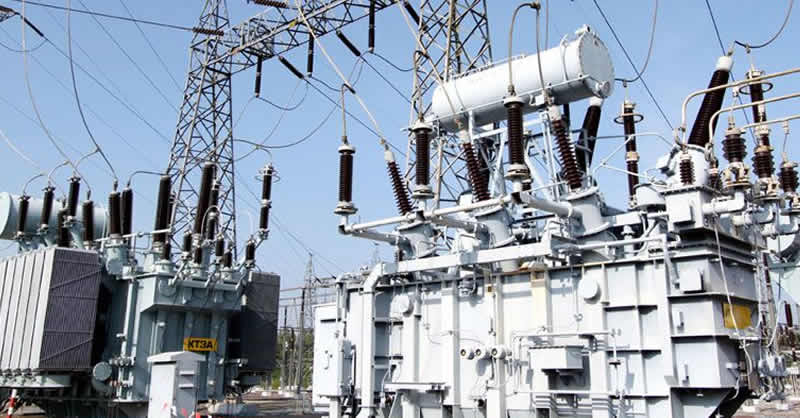
In recent years, grid collapses in Nigeria have been linked to a mix of technical faults, poor maintenance of transmission infrastructure, ageing equipment, and fluctuations in power generation capacity. These issues have repeatedly exposed the fragility of the country’s electricity system.
Stakeholders in the power sector have continued to urge the government and electricity operators to introduce stronger contingency measures, improve maintenance, and invest in upgrading transmission infrastructure to prevent frequent collapses.
While Nigerians await an official explanation from the authorities, the latest grid failure has once again highlighted concerns about the reliability of Nigeria’s power sector and its ability to meet the growing demand for a stable and uninterrupted electricity supply.