Stand-up comedy was once one of the biggest forms of entertainment in Nigeria, with packed halls in cities like Lagos and Abuja. Over the years, however, many people have started to believe that live comedy is fading. Shows are not as frequent as before, venues appear smaller, and many comedians now focus more on social media platforms instead of live performances. This has raised questions about whether stand-up comedy is still relevant in Nigeria today.
Several reasons have been linked to the decline in regular live comedy shows. Organising stand-up events has become expensive, as comedians must pay for venues, sound equipment, staff, and promotion. At the same time, social media platforms such as TikTok, Instagram, and YouTube allow comedians to reach millions of people instantly without leaving their homes. Many fans also prefer watching free comedy clips online rather than paying for tickets to attend live shows, especially in the current economic climate.
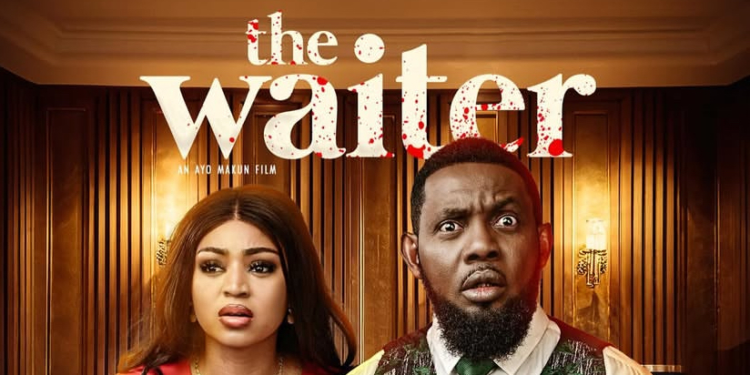
Popular Nigerian comedian Ayo Makun, also known as AY, believes the idea that stand-up comedy is dying is completely wrong. According to him, stand-up comedy in Nigeria is not dying but evolving. He explained that comedians are still selling tickets, filling venues, touring within and outside the country, and attracting sponsorships. In his view, an industry that continues to produce new talent and draw paying audiences cannot be described as dead.
AY also addressed the belief that online skit-making has replaced stand-up comedy. He explained that skit-making has only expanded comedy by creating more opportunities for comedians to grow, earn money, and reach wider audiences. While skits offer quick laughs, stand-up comedy remains important for skill development, stage presence, and long-term influence. Both formats, he said, can exist together without one destroying the other.
Speaking on the impact of social media, AY noted that platforms have completely changed how comedians connect with their audience. Today, a comedian no longer needs television, radio, or big promoters to be noticed. With just one viral video online, an unknown comedian can suddenly become famous. Social media has turned comedians into their own broadcasters, marketers, and distributors, making comedy faster, more competitive, and more global.
On the future of live comedy shows, AY insisted that live performances never disappeared and therefore do not need a comeback. He explained that shows are still selling out regularly, both in Nigeria and abroad. Many comedians now organise their own events and use online content to promote their shows. According to him, social media does not replace live comedy but helps grow audiences and increase ticket sales.
AY also identified attention span as the biggest challenge comedians face today. With phones, social media, and constant distractions, audiences are harder to impress. Comedians now have to be sharper, faster, and more intentional on stage to keep people engaged. He added that performing live is different from online content because stage performances rely on instant audience feedback, while online comedy depends on editing, structure, and algorithms.
Despite the challenges, AY remains confident about the future of stand-up comedy in Nigeria. He believes comedy is simply adapting to modern times, where live shows and online content work together. As long as Nigerians continue to love laughter, stand-up comedy will keep growing, evolving, and finding new ways to entertain audiences.