Senate Opens Debate on ₦58.47tn 2026 Budget, Focuses on Growth and Infrastructure
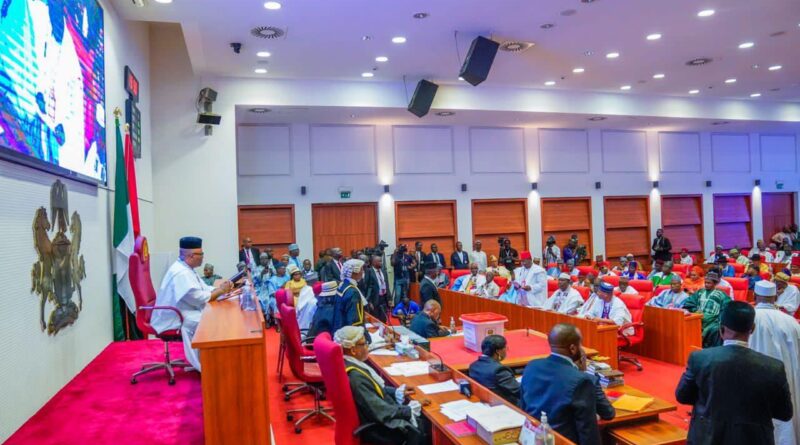
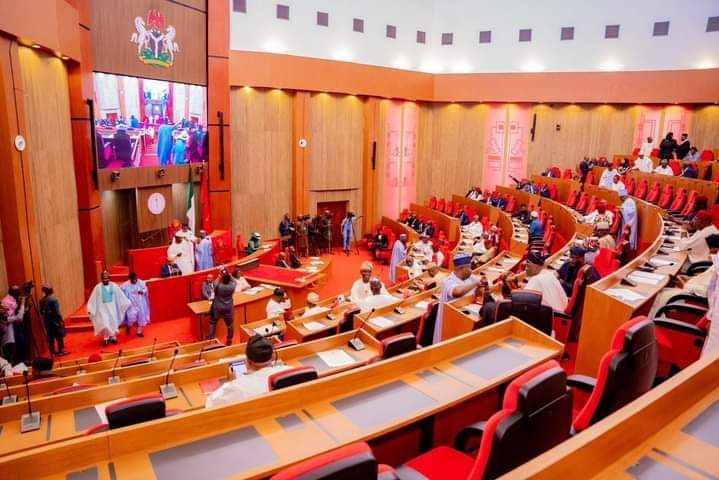
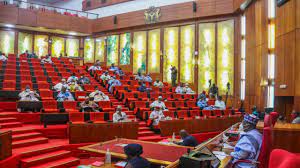
The Nigerian Senate on Tuesday commenced debate on the 2026 Appropriation Bill, with Senate Leader Senator Opeyemi Bamidele (Ekiti Central) leading discussions on the landmark fiscal proposal authorising federal spending of ₦58.47 trillion for the 2026 financial year.
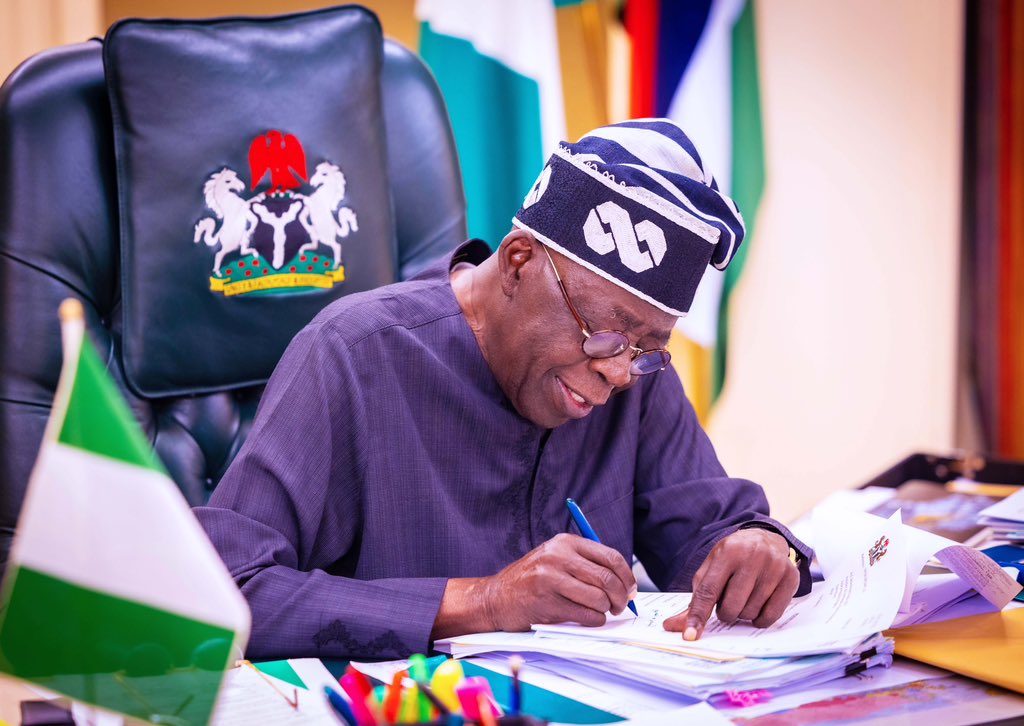
Presenting the general principles of the Bill, Bamidele explained that it provides the legal framework for implementing the 2026 Budget, as presented by President Bola Tinubu to a joint session of the National Assembly on December 19, 2025. The Bill automatically passed first reading following the presidential presentation.
“Distinguished Colleagues, I rise to lead the debate on a Bill for an Act to authorise the issue from the Consolidated Revenue Fund of the Federation the total sum of ₦58,472,628,944,759 for the services of the Federation for the year ending 31st December, 2026,” Bamidele said.
He described the Appropriation Bill as central to governance and economic management, translating the President’s Budget Address into enforceable public expenditure. The 2026 Budget is framed to consolidate ongoing economic reforms, restore stability, correct distortions, and strengthen public finances.
The proposed ₦58.472 trillion expenditure comprises ₦4.097 trillion for statutory transfers, ₦15.909 trillion for debt service, ₦15.252 trillion for recurrent (non-debt) spending, and ₦23.214 trillion for capital expenditure through the Development Fund. Capital expenditure, forming the largest component of discretionary spending, is aimed at growth, productivity, and infrastructure development.
Bamidele highlighted that the ₦23.214 trillion capital allocation targets critical sectors, including transport infrastructure, power and energy, agriculture, industrial development, housing, and the digital economy. He said this spending is designed to stimulate private investment, create jobs, and strengthen food and energy security.
On recurrent expenditure, the ₦15.252 trillion provision ensures efficient government operations, including personnel costs and overheads, with strict cost controls and efficiency measures. Debt service, totalling ₦15.909 trillion, covers existing obligations while reflecting the administration’s commitment to improving revenue mobilisation and reducing borrowing over time.
Statutory transfers of ₦4.097 trillion fulfil constitutional obligations to key institutions, supporting democratic stability and institutional independence. Bamidele urged senators to approach the Bill with transparency, fiscal discipline, and alignment with national priorities.
Acknowledging challenges in implementing the 2025 budget, including revenue shortfalls, he said the Executive is committed to stronger fiscal discipline in 2026, focusing on digitised revenue mobilisation, zero tolerance for leakages, and performance-based accountability for government-owned enterprises.
With projected revenues of ₦34.33 trillion and total expenditure of ₦58.18 trillion, including ₦15.52 trillion for debt service, the projected deficit of 4.28 per cent of GDP remains within the medium-term fiscal framework. Sectoral priorities such as security, education, healthcare, infrastructure, and agriculture reflect Nigeria’s pressing needs.
“The true test of a budget is not in its presentation, but in its delivery,” Bamidele said, urging senators to give the Bill a favourable second reading and commit it to the Appropriations Committee for detailed scrutiny, ensuring equity, realism, and value for money.