Smartphones Fuel Nigeria’s Mobile Forex Trading Boom
Mobile trading in Nigeria is no longer limited to tech-savvy investors or financial professionals. It has rapidly evolved into a cultural phenomenon, blending convenience with ambition and providing a new generation of Nigerians with accessible entry points into global financial markets. This shift has created a trading environment shaped by mobility, immediacy, and a growing desire for financial autonomy.
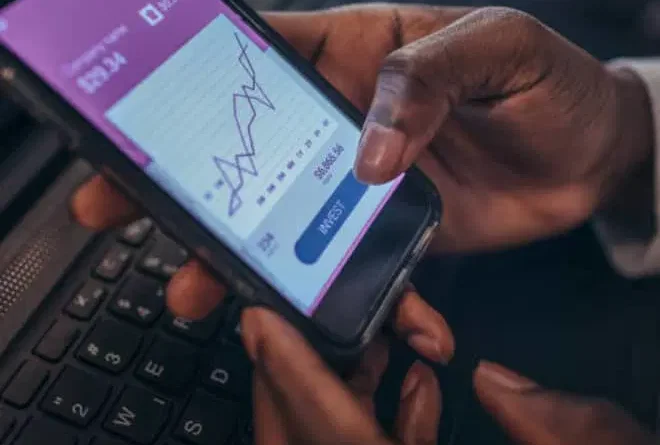
The surge in mobile forex trading is largely driven by the ubiquity of smartphones. Young Nigerians, who already rely on their devices for work, entertainment, and banking, now view trading as a natural extension of daily life. Instead of waiting to access desktop platforms, traders can open apps while commuting, managing their routines, or even during short breaks, enabling participation that would have been nearly impossible a decade ago. Additionally, falling data costs and improved mobile network coverage allow traders to remain connected during volatile market conditions, increasing confidence and readiness to act on opportunities with just a few taps.
Mobile trading applications have simplified the traditionally complex world of forex trading. These apps offer intuitive interfaces, real-time charts, copy-trading features, and built-in educational tools, making it easier for beginners to learn and experiment with small trades. User-friendly platforms also encourage community interaction, with traders sharing strategies, analyzing mistakes, and holding each other accountable. Learning now occurs in collaborative digital spaces, normalizing trading as a daily habit rather than an isolated activity.
Flexibility is another key advantage of mobile trading. Traders can act on opportunities without disrupting their daily schedules, a significant benefit in a country where many juggle multiple sources of income. Young Nigerians, in particular, have adopted a fluid approach to trading, switching between apps and relying on alerts to guide decisions rather than spending hours on extensive analysis. This approach has created a lifestyle of trading that adapts to modern realities rather than competing with them.
The growing popularity of mobile forex trading is fostering a broader financial culture centered on independence and self-reliance. Nigerians increasingly explore financial pathways outside traditional employment, using forex trading to access global markets and take control of their financial decisions. While trading comes with risks and requires proper education, the trend demonstrates a profound cultural shift. Smartphones have transformed how Nigerians interact with money, creating an agile, connected, and digitally empowered trading community.