Nigeria’s Music Industry Earns $600 Million Every Year, Set for Major Growth – Hannatu Musawa
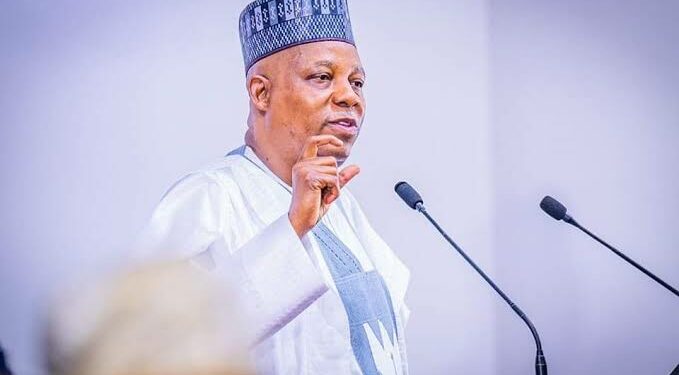
Nigeria’s music industry currently generates about $600 million annually, and it is expected to grow significantly over the next decade, with projections showing it could reach over $1 billion by 2033. This revelation was made by the Minister of Art, Culture, Tourism, and the Creative Economy, Hannatu Musawa, in a new industry report focused on Nigeria’s music market.
The figures were shared in the foreword of Basslines to Billions: Nigeria’s Music Market Intelligence Report, a landmark publication that provides detailed data on the economic value of Nigeria’s music industry. The report was developed through a partnership between the National Council for Arts and Culture and investment advisory firm RegalStone Capital, making it one of the most comprehensive studies of the sector so far.
According to the report, Nigeria’s music industry is currently valued at about $600.7 million, which is roughly ₦901.6 billion, and is growing at an average annual rate of 7 percent. If this growth continues, the industry is projected to reach $1.03 billion, or about ₦1.5 trillion, by the year 2033. Musawa described Nigerian music as more than entertainment, calling it a powerful driver of business, culture, and global influence.
The report places music within Nigeria’s wider creative economy, which the government believes could create more than 2.5 million new jobs by 2030. It also highlights how digital exports from music, film, fashion, and design are increasing, helping Nigeria strengthen its cultural presence across Africa and globally. Officials say this growth supports President Bola Ahmed Tinubu’s Renewed Hope Agenda, which focuses on reducing reliance on oil by expanding other sectors of the economy.
Nigeria’s music industry has grown rapidly due to the global success of Afrobeats, supported by a young population and strong digital engagement. Artists now earn income from many sources, including streaming platforms, live concerts, brand endorsements, songwriting, publishing, social media monetization, and virtual performances. Together, these revenue streams have created a strong and expanding music ecosystem.
Despite the rise of streaming platforms, the report shows that live performances remain the biggest source of income for Nigerian musicians. In 2024 alone, concerts, tours, and festivals accounted for between 65.7 percent and 74 percent of total artist earnings. This shows that physical events continue to play a key role in sustaining artists financially.
However, the report also points out challenges that are holding the industry back. These include limited access to funding, weak infrastructure, and gaps in policy coordination. Musawa explained that the report is meant to guide better decision-making, help attract investment, and ensure that cultural policies are based on real data rather than assumptions.
The release of the report comes at a time when Nigerian artists are achieving major global milestones. One standout example is Ayra Starr, who recently became the first Nigerian female artist to surpass one billion total views on YouTube, driven largely by her hit song Rush. In addition, Nigerian musicians earned over ₦58 billion in Spotify royalties in 2024, according to Spotify’s Loud & Clear report, highlighting the fast-growing global demand for Nigerian music.