Kwara Among 21 Regions Set for Second Polio Vaccination Round — WHO
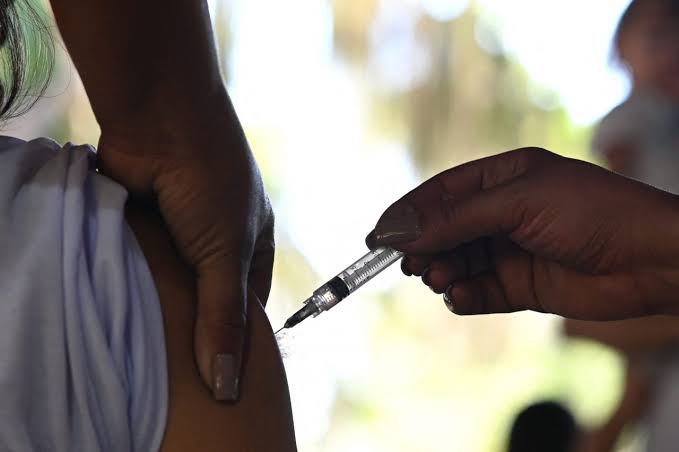
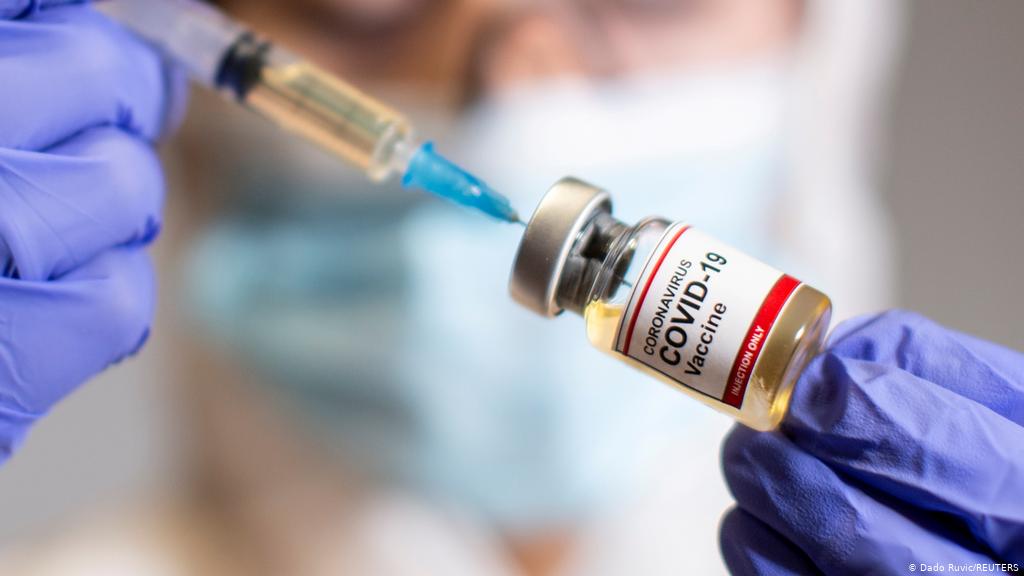
Kwara State, alongside 20 other states and the Federal Capital Territory, will repeat the polio component of Nigeria’s nationwide Integrated Measles-Rubella (IMR) vaccination campaign, which was initially conducted in October 2025. The repeat exercise, targeting children under five, had been temporarily paused but will resume under the supervision of the Kwara State Primary Health Care Development Agency (KWPHCDA), in collaboration with UNICEF, the World Health Organization (WHO), and other development partners.
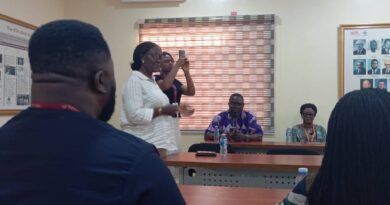
During a media dialogue on the November SNIPDs, Maternal, Newborn and Child Health Week, and the Human Papillomavirus Intensification Campaign, the WHO Coordinator for Kwara State, Dr Eyitayo Emmanuel, explained that the decision to repeat the polio vaccination was informed by gaps identified during the earlier round. He highlighted that some schools had declined participation, citing a lack of prior notification.
Represented by Dr Gwomson Dauda, Dr Emmanuel noted, “In some places, schools refused to receive the vaccines because they alleged that no official communication reached them.” He added that certain military and federal schools also turned down vaccination teams despite receiving formal letters. Logistical barriers, such as restricted access to some residential estates, were also cited as challenges that necessitated another vaccination round.
Dr Dauda urged Nigerians to ignore myths and misconceptions surrounding polio vaccination, stressing the seriousness of the disease. “Some elderly people who cannot walk properly today were affected by polio. We even have one of our staff members who suffered polio as a child and is now working with the WHO. Polio is real,” he emphasized.
The WHO official commended the Kwara State Government for fulfilling its counterpart funding obligations, which contributed to the successful immunisation of over one million children in the state during the previous campaign. “Kwara is one of the states that always stands out in implementation because the government fulfils its obligations,” Dr Dauda noted.
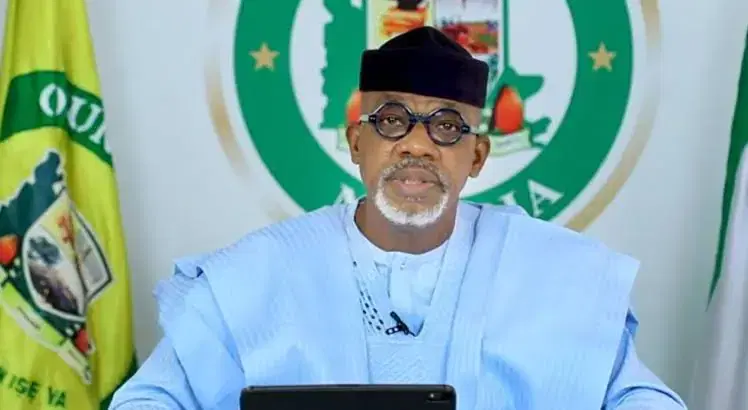
In her remarks, the Executive Secretary of KWPHCDA, Prof. Nusirat Elelu, represented by Director Dr Oguntoyinbo, highlighted the critical role of the media in combating misinformation during vaccination campaigns. She stressed that while media platforms remain essential tools for health education, they can also facilitate the rapid spread of false information.
Prof. Elelu said, “The role of the media in achieving universal health coverage and addressing health gaps cannot be overemphasised. It must also be acknowledged that the same platforms can transmit misinformation, disinformation, and rumours which undermine public health efforts.”
She urged journalists and other key stakeholders to intensify awareness campaigns, particularly in rural communities, to ensure accurate information reaches citizens ahead of the next phase of the polio vaccination exercise. The repeat campaign aims to close immunisation gaps and protect children under five from the debilitating effects of polio, reinforcing Nigeria’s commitment to eradicating the disease nationwide.