UK Rejects Nigeria’s Request to Transfer Ike Ekweremadu Amid Organ Trafficking Case
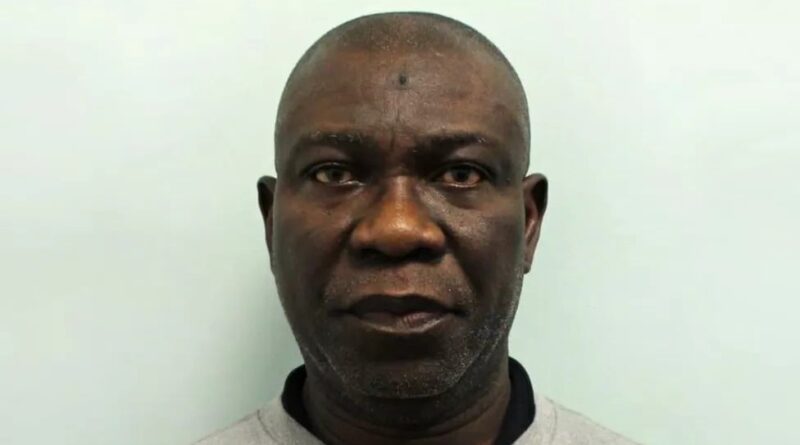
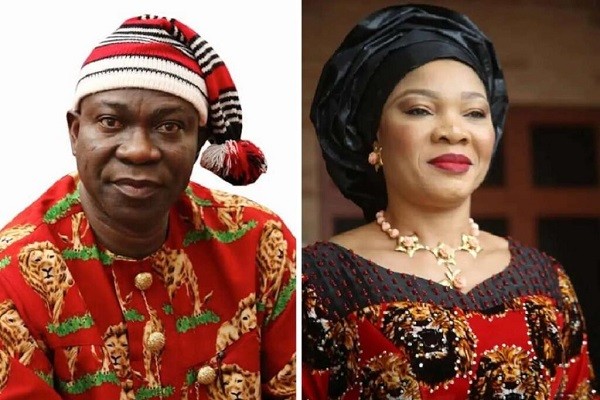
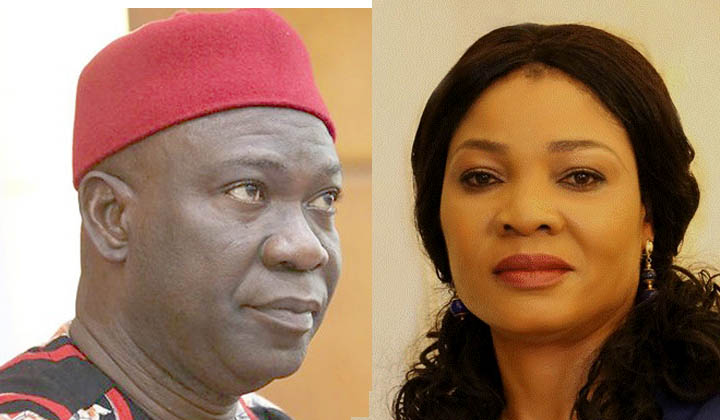
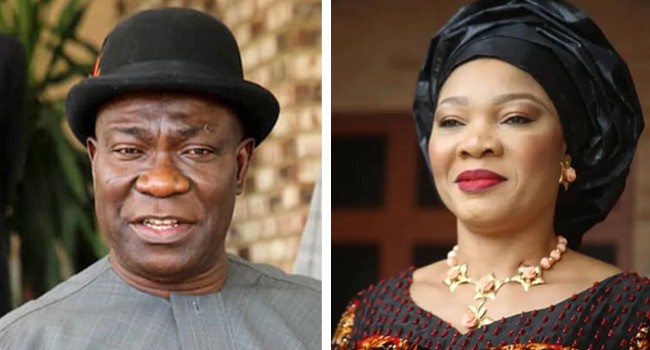
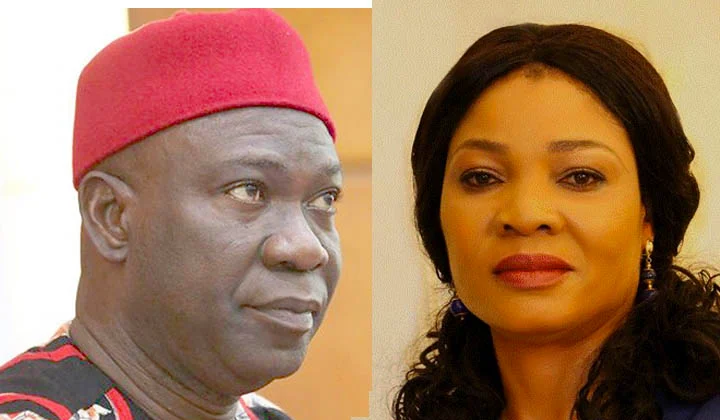
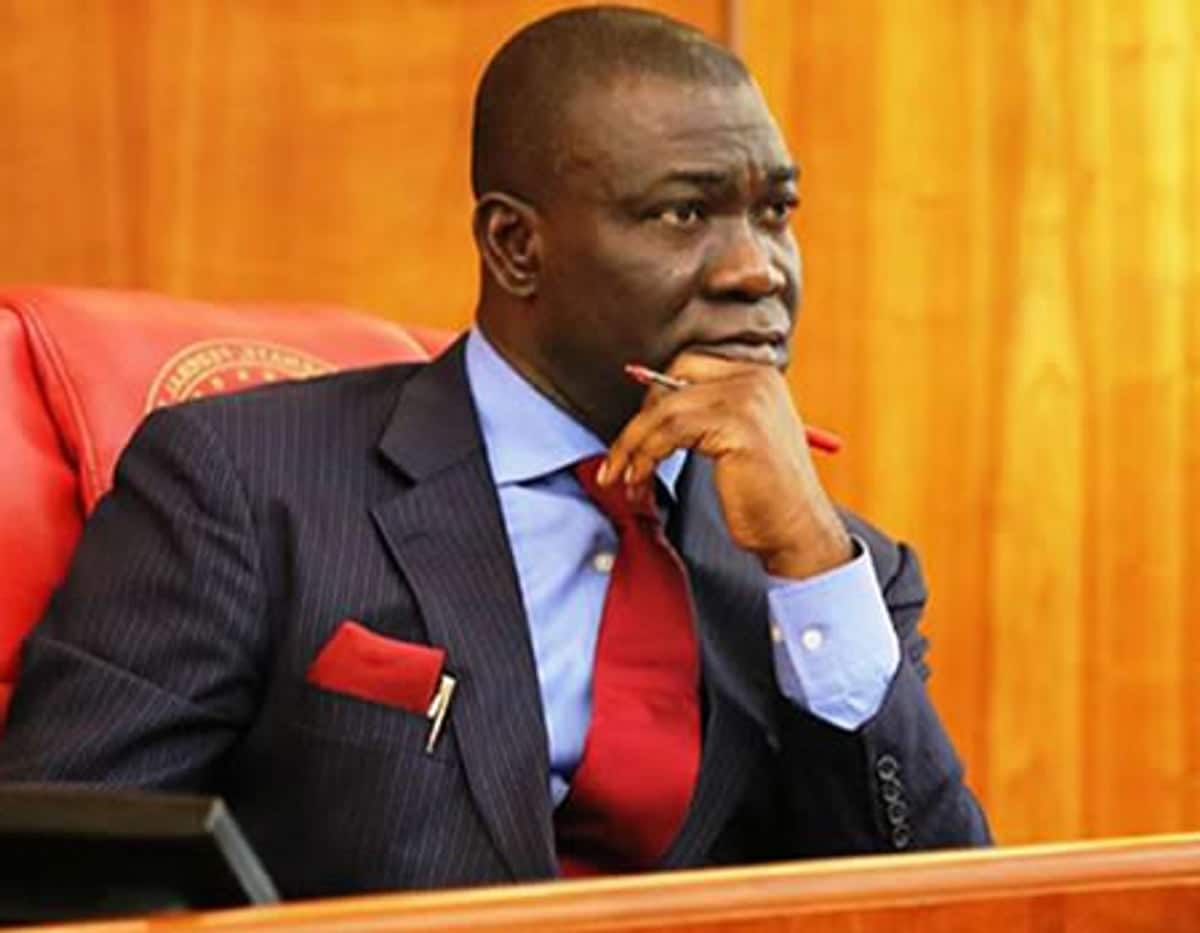
The British Government has formally rejected Nigeria’s request to deport former Deputy Senate President Ike Ekweremadu, who is currently serving a prison sentence in the United Kingdom for organ trafficking, according to The Guardian UK. This high-profile case, which involves Ekweremadu, his wife Beatrice, and medical doctor Obinna Obeta, has drawn international attention for its link to organ trafficking and the misuse of influential positions.
Ekweremadu, 63, was sentenced in 2023 to nine years and eight months in prison after a UK court found him and his co-defendants guilty of conspiring to exploit a young Nigerian man for his kidney, which was intended for their daughter, Sonia, at a private London hospital. The case marked the first conviction under the UK’s Modern Slavery Act specifically related to organ trafficking, highlighting the severity of the crime.
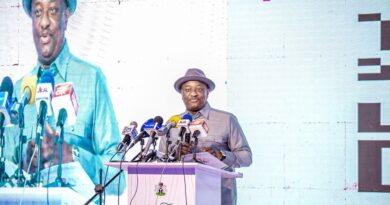
Reports indicate that a Nigerian delegation led by the Minister of Foreign Affairs, Yusuf Tuggar, visited the UK Ministry of Justice last week to request that Ekweremadu be allowed to serve the remainder of his sentence in Nigeria. However, sources within the Ministry of Justice told The Guardian that the request was denied due to concerns that Nigerian authorities could not guarantee Ekweremadu would continue serving his sentence upon transfer. The UK government emphasized that prisoner transfers are discretionary and are only approved after careful assessment of whether the transfer aligns with the interests of justice. Another official reportedly stated that the UK will not tolerate modern slavery and any offender will face the full weight of UK law.
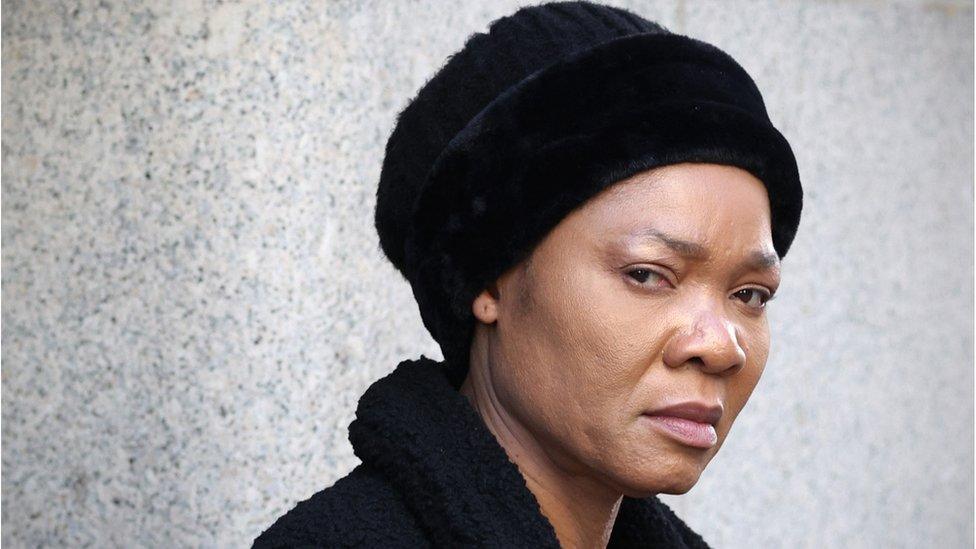
Beatrice Ekweremadu, who was sentenced to four years and six months, has already been released after serving half of her term and has returned to Nigeria. During sentencing, Justice Jeremy Johnson described the trio’s actions as part of a “despicable trade,” stating, “The harvesting of human organs is a form of slavery. It treats human beings and their bodies as commodities to be bought and sold.” He further called Ike Ekweremadu the “driving force” behind the scheme, noting that the case represented a “substantial fall from grace.”
The court heard that in February 2022, the victim, identified only as C, was taken to a private renal unit at the Royal Free Hospital in London for an £80,000 kidney transplant. He was falsely presented as Sonia’s cousin volunteering to donate his kidney. Despite attempts by the trio to bribe a medical secretary, the hospital rejected the procedure in March 2022, although the matter was not initially reported to police. The plot only came to light when the victim escaped and sought assistance, fearing he might be taken to Nigeria for another attempt.
Dr. Obinna Obeta, involved in the scheme, had previously received a kidney transplant at the same hospital in 2021 from another allegedly trafficked donor. He is serving a ten-year prison sentence, two-thirds of which must be spent in custody.
Nigeria’s effort to secure Ekweremadu’s return has sparked public criticism, with many questioning why the government would seek to repatriate someone convicted of such a serious crime abroad. At the time of filing, PUNCH Online could not independently confirm The Guardian report, and Nigeria’s High Commission in London had yet to comment on the UK’s decision.
This high-profile case has reignited discussions around organ trafficking, modern slavery, and the need for stricter protections for vulnerable individuals, especially in cases where influential figures abuse their positions for personal gain. It underscores the international legal and ethical implications of organ trafficking and highlights the UK’s firm stance on enforcing justice in cases of modern slavery.