Nigeria and US Hold High-Level Security Talks as Tinubu Sends Delegation Led by Ribadu and Bianca Ojukwu
Nigeria and the United States have held high-level discussions aimed at enhancing cooperation in security matters and addressing the rising wave of terrorist attacks in Nigeria. The talks follow a series of deadly attacks across the country and threats from US authorities regarding potential intervention.
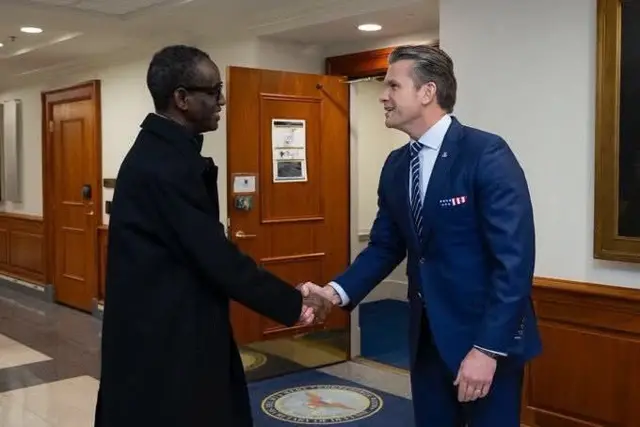
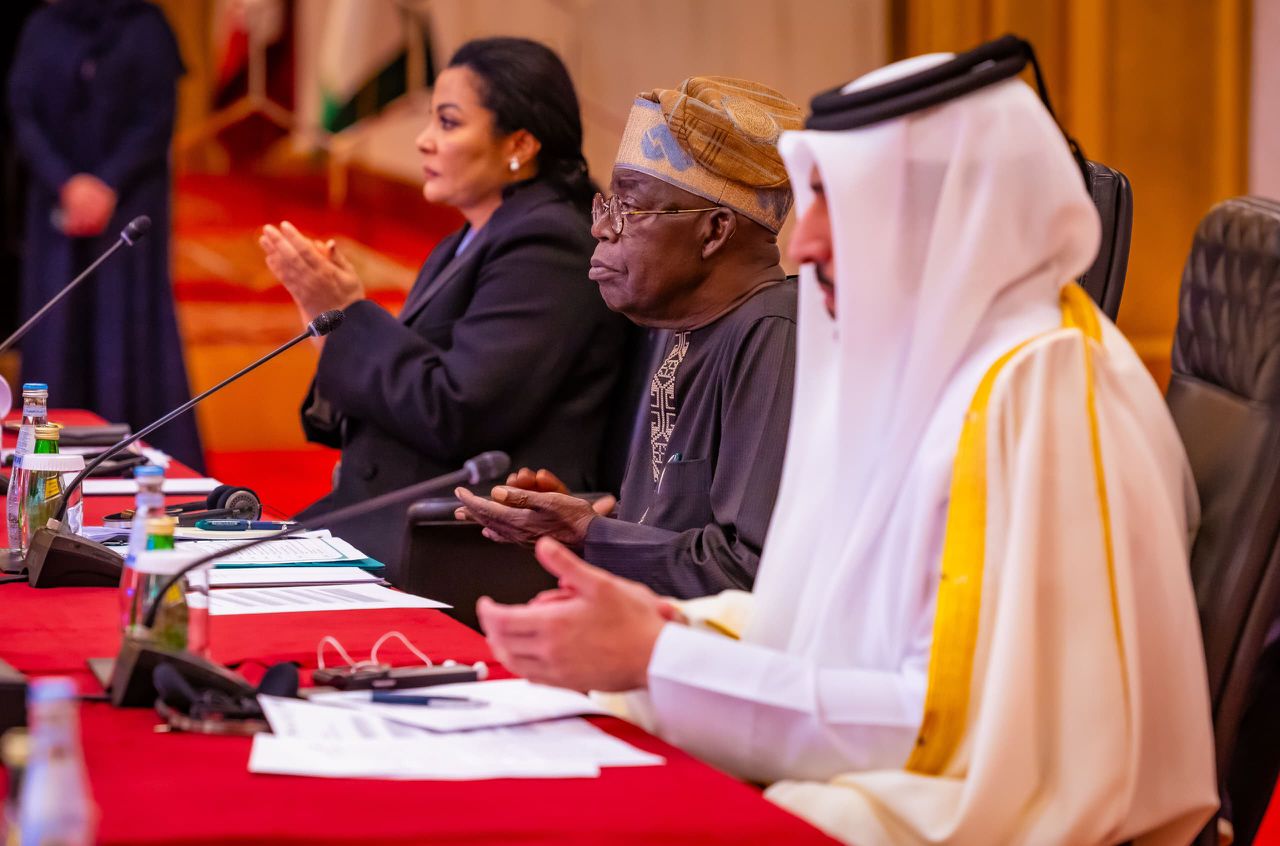
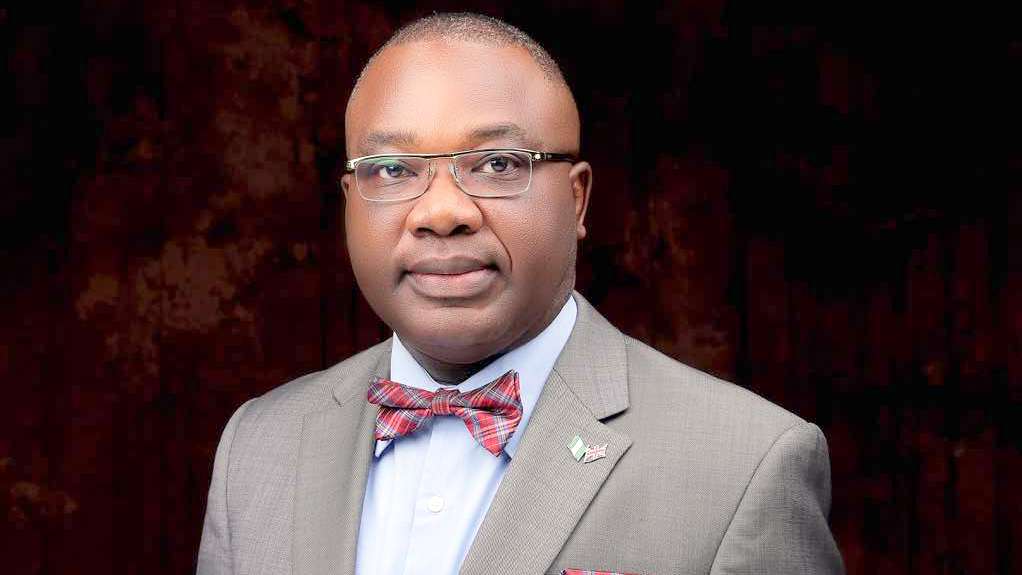
A senior Nigerian delegation, led by National Security Adviser Mallam Nuhu Ribadu and including Minister of State for Foreign Affairs Bianca Ojukwu, visited Washington, D.C., to meet top US officials and explore ways the two countries can collaborate to protect Nigerian citizens.
Context of the Visit
The meetings come amid mounting insecurity in Nigeria, particularly in the northern and central regions, where terrorist groups have attacked both civilians and security personnel. President Bola Tinubu recently confirmed the death of Brigadier General Musa Uba, a high-ranking Nigerian Army officer, killed in an ambush by a terrorist group.
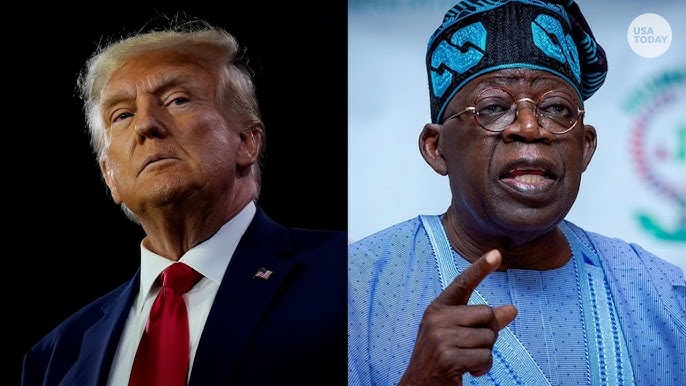
During this period, US President Donald Trump publicly warned of possible action against Nigeria, claiming the government had allowed attacks on Christians to persist. Trump threatened to withhold aid and instructed the US Department of War to prepare for potential operations. He emphasized that any attack would be “fast, vicious, and decisive,” highlighting US concern over the security situation.
In response, the Nigerian government has repeatedly rejected claims that Islamist insurgents specifically target Christians, emphasizing that violence affects people across religious and ethnic lines.
The Nigerian delegation included top officials across government, security, and intelligence sectors:
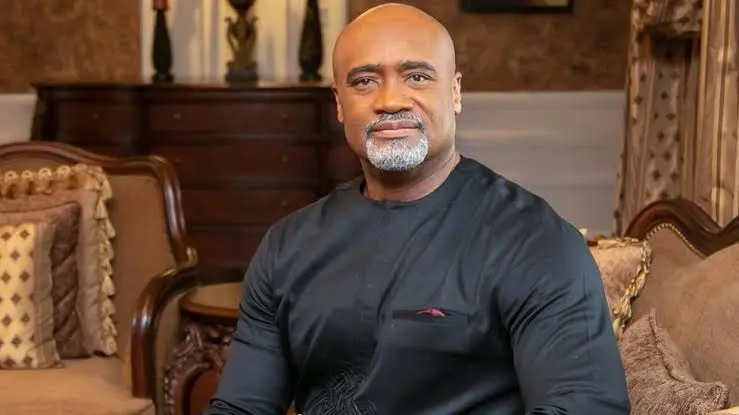
Mallam Nuhu Ribadu – National Security Adviser and delegation leader
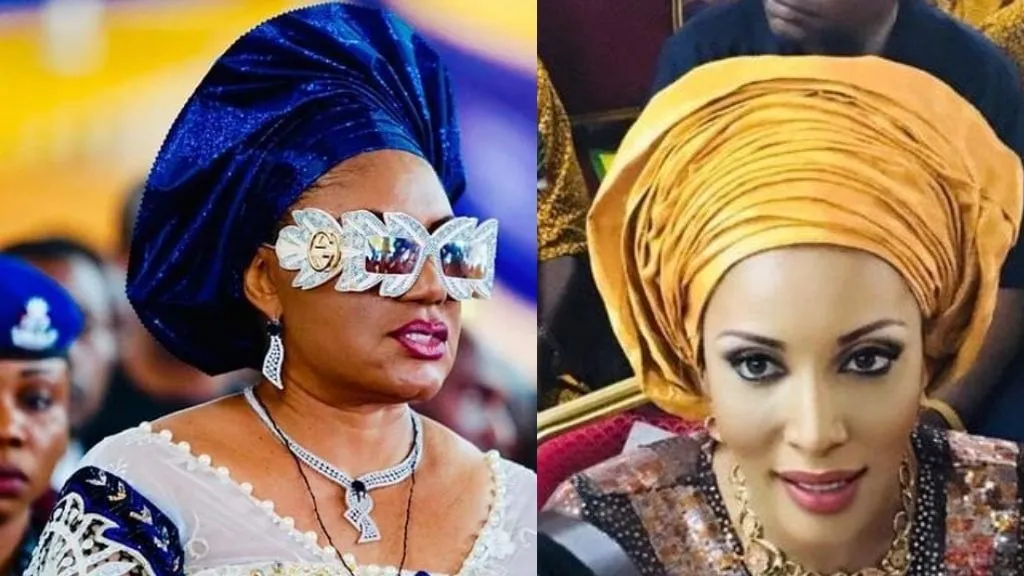
Bianca Ojukwu – Minister of State for Foreign Affairs
Kayode Egbetokun – Inspector General of Police
Lateef Olasunkami Fagbemi, SAN – Attorney General of the Federation
General Olufemi Oluyede – Chief of Defence Staff
Lt. Gen. Emmanuel Undiandeye – Chief of Defence Intelligence
Ms. Idayat Hassan – Special Adviser to ONSA
Ambassador Ibrahim Babani – Director of Foreign Relations, ONSA
The delegation met with senior officials across the US Congress, the White House Faith Office, the State Department, the National Security Council, the Department of War, and other relevant agencies. They also held discussions with US Congressman Riley Moore, who has been closely monitoring issues related to Nigeria.
Key Discussion Points
The meetings focused on several pressing areas:
Counter-Terrorism: Sharing intelligence on terrorist groups operating in Nigeria and exploring ways the US could support Nigerian security forces.
Security Assistance: Requests included the provision of defense equipment, enhanced intelligence sharing, and technical support for early-warning systems.
Humanitarian Support: Discussion of aid for communities affected by terrorist attacks, especially in Nigeria’s Middle Belt region.
Operational Coordination: Both countries agreed to establish a Joint Working Group to ensure coordinated actions in areas of mutual interest.
The Nigerian delegation rejected claims of genocide or religious targeting in Nigeria, stating that framing the situation incorrectly would only divide the country and obscure the realities on the ground.
The US government expressed willingness to cooperate with Nigeria, offering:
Enhanced intelligence support
Expedited processing of defense equipment requests
Potential provision of excess defense articles, subject to availability
Humanitarian and technical assistance for early-warning mechanisms
Both sides agreed to implement a non-binding framework for cooperation immediately and to use civilian measures to protect vulnerable populations. The engagement also served to strengthen diplomatic relations and ensure continued dialogue between Nigerian and US security agencies.
Significance
This visit signals Nigeria’s commitment to addressing insecurity while seeking international collaboration to enhance capacity and protect its citizens. The engagement also demonstrates the delicate balance Nigeria must maintain in managing foreign perceptions, countering misinformation, and ensuring internal security without escalating tensions with global partners.