NNPC Raises Petrol Price to N992 Per Litre in Lagos as Nigerians React
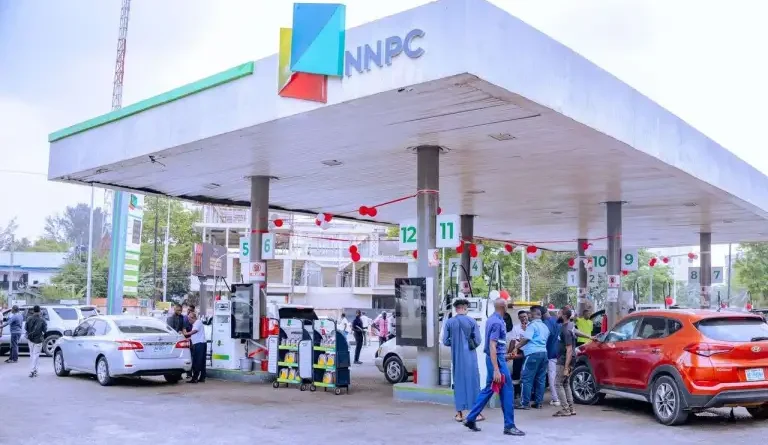
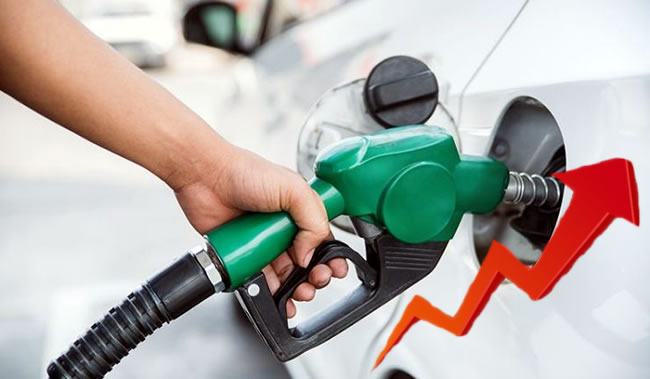
The Nigerian National Petroleum Company (NNPC) Limited has announced a fresh hike in the pump price of Premium Motor Spirit (PMS), commonly known as petrol, bringing the new price to N992 per litre in Lagos and N955 per litre in Abuja, the Federal Capital Territory.
The price adjustment took effect on Monday, October 13, 2025, across various NNPC retail outlets. Motorists who visited the filling stations in Lagos and Abuja confirmed the new rates, expressing shock and frustration at the sudden increase.
This new pricing represents a N127 jump in Lagos, moving from the previous N865 per litre, while Abuja residents will now pay N65 more, up from N890 per litre. The adjustment marks yet another rise in fuel prices in 2025, further deepening economic concerns among citizens.
Although NNPC Limited has not yet released an official statement explaining the reason behind the increase, industry experts point to several possible factors, including rising global crude oil prices, high transportation and logistics costs, and the continuous depreciation of the naira against the US dollar.
Economists have warned that this latest fuel price hike could lead to another wave of inflation across various sectors. Transport fares are expected to surge as commercial drivers adjust their rates to cover higher fuel expenses. The ripple effect could also impact food prices, goods distribution, and small businesses that depend heavily on petrol for power generation.
Some Nigerians took to social media to express their displeasure, calling on the government to step in and provide measures to cushion the economic pressure. Others criticized the NNPC for what they described as a lack of transparency in fuel pricing, demanding clarity on how the prices are determined.
Observers say the government may need to consider strategic interventions, such as targeted subsidies or palliative support for vulnerable households, to reduce the impact of continuous fuel price increases on citizens.
This development follows several previous price adjustments in 2025, signaling the government’s struggle to stabilize the downstream oil sector amid fluctuating market conditions.