Lawmakers Push to Amend Electoral Act, Propose Changing Nigeria’s Election Date to 2026
Nigerian lawmakers have proposed an amendment to the Electoral Act, which could see the next general elections moved from February 2027 to November 2026, alongside other key electoral reforms.
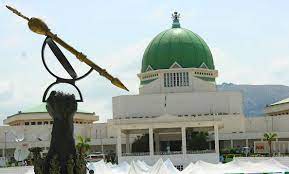
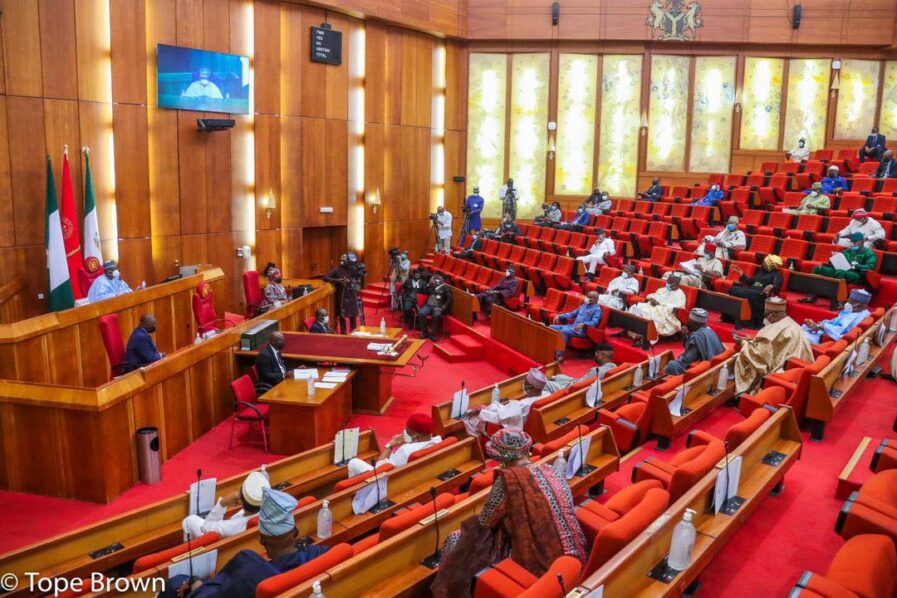
The proposal was unveiled during a joint public hearing in Abuja on Monday, organized by the Senate and House Committees on Electoral Matters. The session drew the attention of lawmakers, civil society organizations, and other stakeholders from across the country.
The new proposal, contained in the Electoral Act (Amendment) Bill 2025, seeks to replace the 2022 Electoral Act with a new legal framework guiding elections in Nigeria.
According to Section 4(7) of the proposed bill, presidential and governorship elections “shall not hold later than 185 days before the expiration of the term of office of the last holder of the office.” This means that, instead of the usual February election date, Nigeria’s next polls could now take place in November 2026.
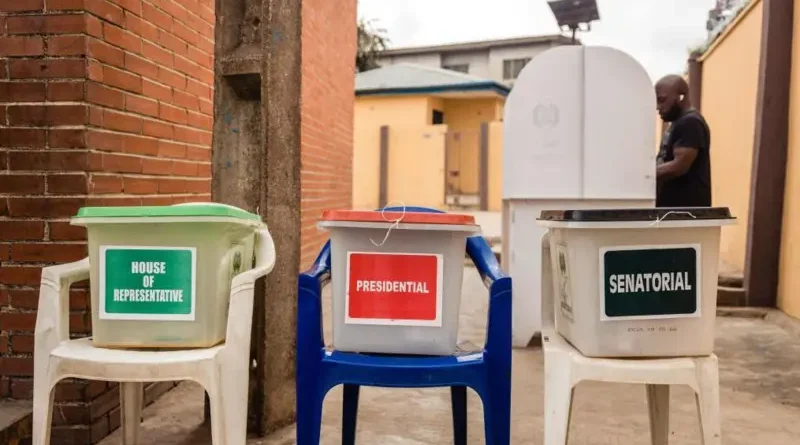
In addition to changing the election date, lawmakers also suggested replacing the use of the Permanent Voter’s Card (PVC) as the compulsory identification for voting. The new proposal recommends using the National Identification Number (NIN), Nigerian passport, or birth certificate as valid means of identification at polling units.
Lawmakers argue that since the Bimodal Voter Accreditation System (BVAS) does not recognize the microchip embedded in PVCs, the card may no longer be necessary. The amendment aims to make the voting process more inclusive and technologically efficient.
During the hearing, Prof. Abdullahi Abdu Zuru, Chairman of the Board of the Electoral Institute (BEI), also made recommendations to lawmakers. He called for a review of Section 47(1) of the 2022 Act to introduce electronically downloadable voter cards compatible with BVAS.
“We think these PVCs are no longer necessary, and because of other reforms we want to introduce, more people will have the opportunity to vote,” he explained. “This particular section currently prevents some Nigerians from participating in elections.”
The debate over these proposed changes has sparked mixed reactions among citizens and stakeholders, with some supporting the reforms as a move toward modernization, while others express concerns about implementation challenges and potential political motives.
If passed, the Electoral Act (Amendment) Bill 2025 will officially set a new course for Nigeria’s democratic process, altering both the timeline and the identification system for future elections.