IITA Intensifies Fight Against Aflatoxin to Promote Safe Food Production in Nigeria
The International Institute of Tropical Agriculture (IITA) has reaffirmed its dedication to eliminating aflatoxin contamination in Nigeria’s food crops — a persistent problem threatening public health, export quality, and farmers’ income.
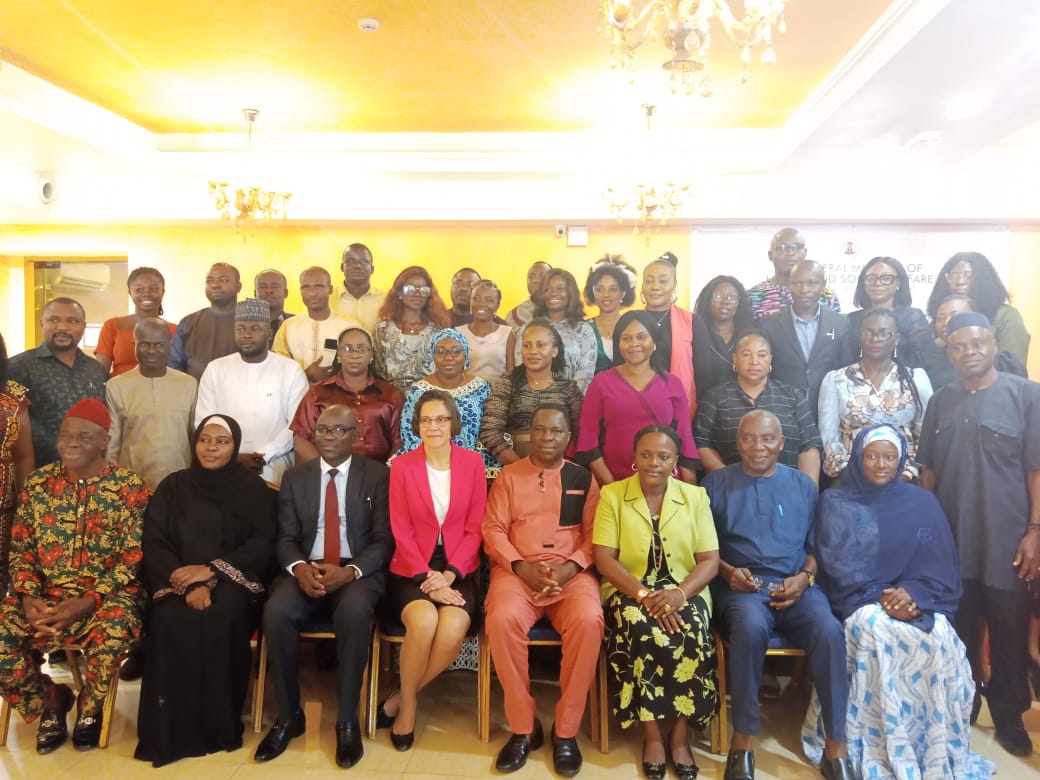
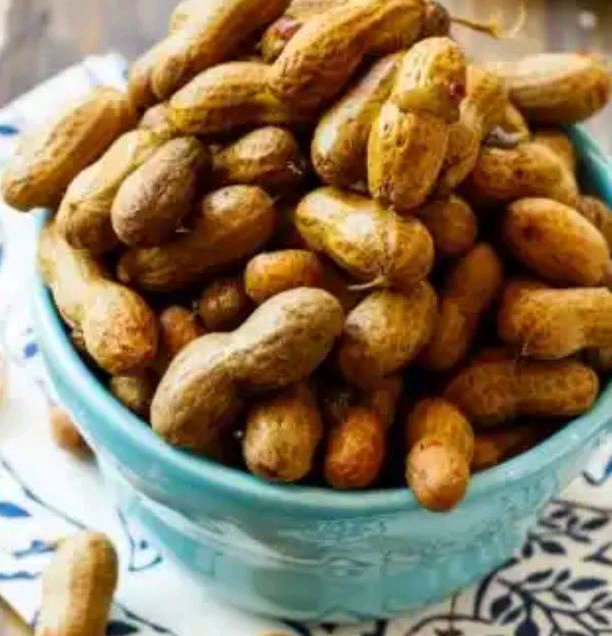
Speaking during a media briefing at IITA’s Abuja Station in Kubwa, Dr. Beatrice Aighewi, IITA Abuja Station Representative and Seed System Specialist, explained that the institute’s research-driven innovations are significantly reducing aflatoxin levels in major crops such as maize, groundnut, cassava, and yam.
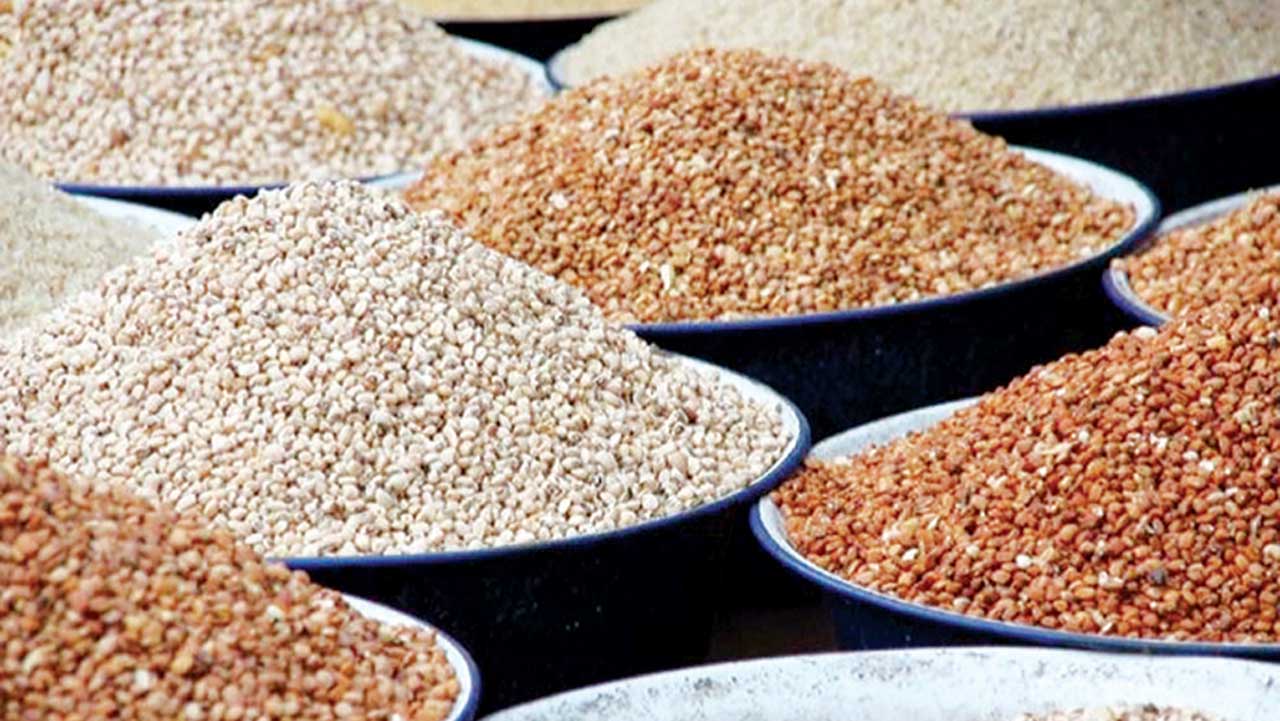
According to her, “Aflatoxin affects most grains and tubers when they are not properly dried. Our research developed a natural control method using beneficial fungi from the soil that suppress the harmful ones. This approach has achieved about 98 to 99 percent cleanup of contaminated fields.”
The bio-control product, developed by IITA scientists, was first used on maize before being adapted for other crops. Dr. Aighewi noted that while the technology is globally recognized, it is tailored to local environments to ensure safety and effectiveness. “The strain used in Nigeria is different from what’s used in East Africa. We adapt it to local conditions using native, environmentally friendly organisms,” she added.
As a non-profit research organization, IITA does not commercialize its innovations but supports African governments and private partners in replicating its models. Dr. Aighewi highlighted that the institute has built prototype factories to show how aflatoxin control products can be locally produced — an initiative that has inspired similar facilities in countries such as Liberia.
“These efforts are rebuilding trust among food processors and exporters whose products were once rejected internationally due to contamination,” she said. “By adopting these safe practices, Nigeria can improve its food quality and global trade position.”
Dr. Aighewi also emphasized that farmers using IITA’s improved crop varieties have seen remarkable yield increases. “Farmers who used to harvest 8 to 10 tons per hectare now achieve between 30 and 40 tons per hectare,” she revealed. “The difference is visible — healthier plants, higher yields, and safer food.”
She urged the government, private sector, and farmers to adopt IITA’s innovations to safeguard food safety and strengthen Nigeria’s agricultural competitiveness. “If aflatoxin is detected in our products, they are rejected in global markets,” she warned. “We must ensure food safety from the farm to the table.”
Mr. Victor Ekeleme, Senior Associate of Communications at the Global Alliance for Improved Nutrition (GAIN), commended IITA’s role in advancing agricultural research and innovation. He said the visit provided stakeholders with valuable insights into IITA’s contributions to food systems improvement in Nigeria and across Africa.
Ekeleme reaffirmed GAIN’s commitment to strengthening collaboration between research institutions, media, and policymakers. “Partnerships like this are vital to building sustainable food systems that promote nutrition and support Nigeria’s development,” he stated.