Mixed Reactions as Federal Government Approves Chinese Language for Senior Secondary Schools in Nigeria
The Federal Government has officially approved Mandarin (Chinese language) as one of the foreign languages to be taught in senior secondary schools across Nigeria. The decision follows a recent review of the national curriculum, sparking a wave of mixed reactions from Nigerians.
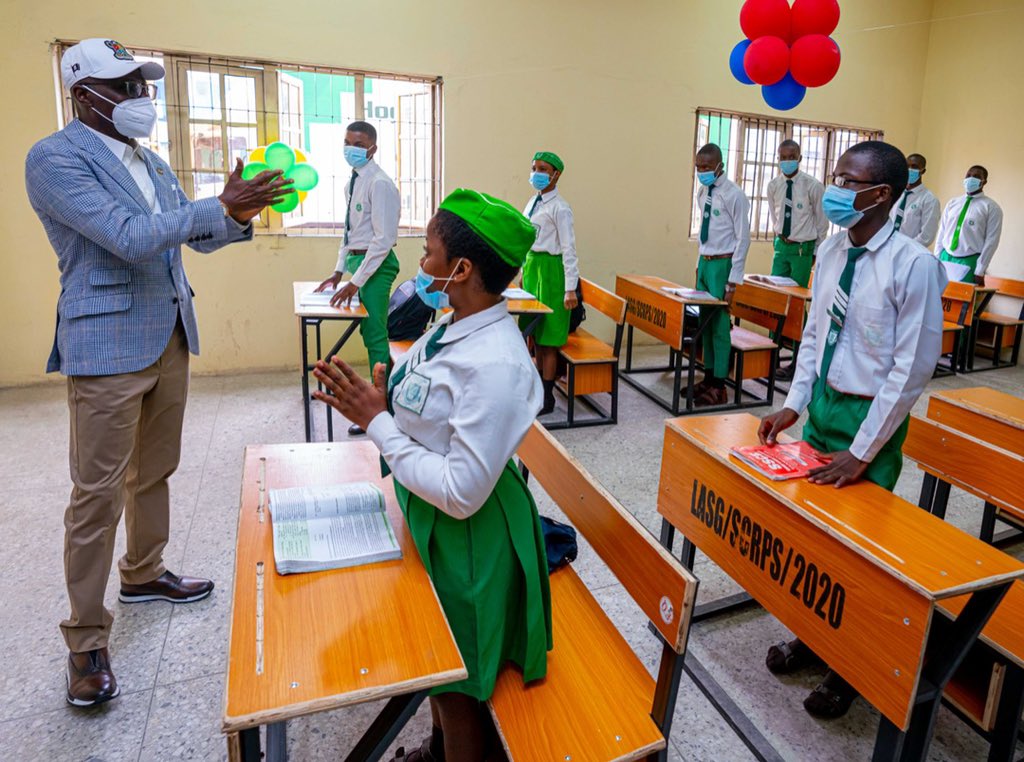
The announcement was made on Tuesday by Dr. Danlami Hayyo, Secretary of Education for the Federal Capital Territory (FCT), during the launch of the 14th Chinese Corner at Government Secondary School, Tudun Wada, Abuja. Representing the FCT Minister, Nyesom Wike, Hayyo explained that Mandarin will now be offered alongside other international languages like French and Arabic starting from the 2025/2026 academic session.
According to Dr. Hayyo, the FCT has shown foresight by introducing Mandarin earlier through the Chinese Corners initiative, which provides cultural and educational resources to schools. He praised the role of the China Civil Engineering Construction Corporation (CCECC) for sponsoring the program as part of its corporate social responsibility.
The latest centre at Tudun Wada brings the total number of Chinese Corners in the FCT to 14, with more under development. The first centre was launched in 2013 at Government Secondary School, Garki, while others have since been established across Abuja, including one at GSS Wuse Zone 3 in 2024. Two new centres are also being built with the support of major Chinese companies in Nigeria.
Dr. Muhammed Ladan, Director of the FCT Secondary Education Board, explained that the initiative goes beyond language learning. He said it promotes people-to-people exchange, offers opportunities for scholarships in China, and strengthens diplomatic and cultural ties between both countries. The Chinese Embassy has also supported the rollout by donating 15 sets of Mandarin teaching materials and cultural books to secondary schools.
While government officials hailed the move as an opportunity for Nigerian students to expand their global competitiveness, many citizens reacted with skepticism online. Some critics argued that the country is already struggling with English and other subjects, questioning how students would cope with Chinese.
One commenter, Gentle Idoko Innocent, joked that Nigerians may soon have to adopt Chinese names because “they don finally sell the country.” Another, Justus Okuntade, doubted the sustainability of the program, recalling how he barely learned French despite studying it in school. Others, like Obele Ngoke, mocked the government for adding Mandarin while debates on the new national anthem are still ongoing.
Some Nigerians also expressed fears about China’s growing influence in the country. Prince Ayodele Akinwunmi Steve quipped that “one day China would come and give us receipt that they have bought the whole Abuja.” Others saw the move as unnecessary, with Bioko Ufuoma Rose Prinister noting that many Nigerians still struggle with English, only for “chinko language” to be added.
Despite the backlash, supporters of the policy argue that learning Mandarin could open doors to better opportunities in global trade, education, and international relations, especially with China being one of Nigeria’s strongest economic partners. Government officials maintain that introducing Mandarin is part of efforts to modernize education and equip students with skills needed in today’s interconnected world.
As the 2025/2026 school session approaches, all eyes will be on how well schools implement the new curriculum and whether the Federal Government can provide enough trained teachers and resources to make the Mandarin program effective.