Federal Government Defends 5% Fuel Surcharge Says It Will Improve Roads Not Burden Nigerians
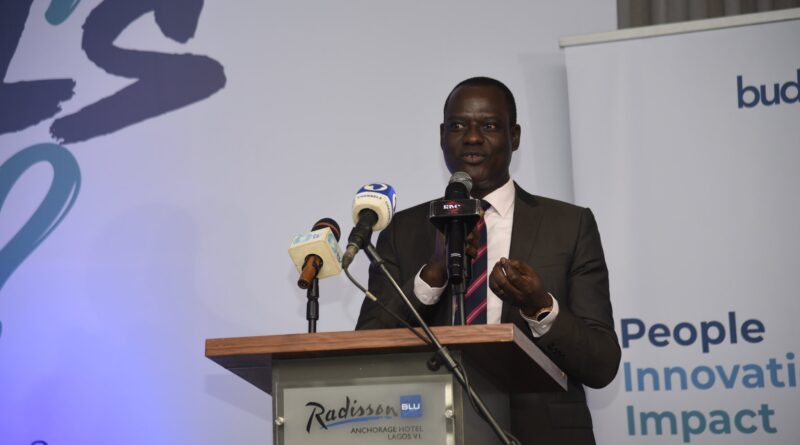
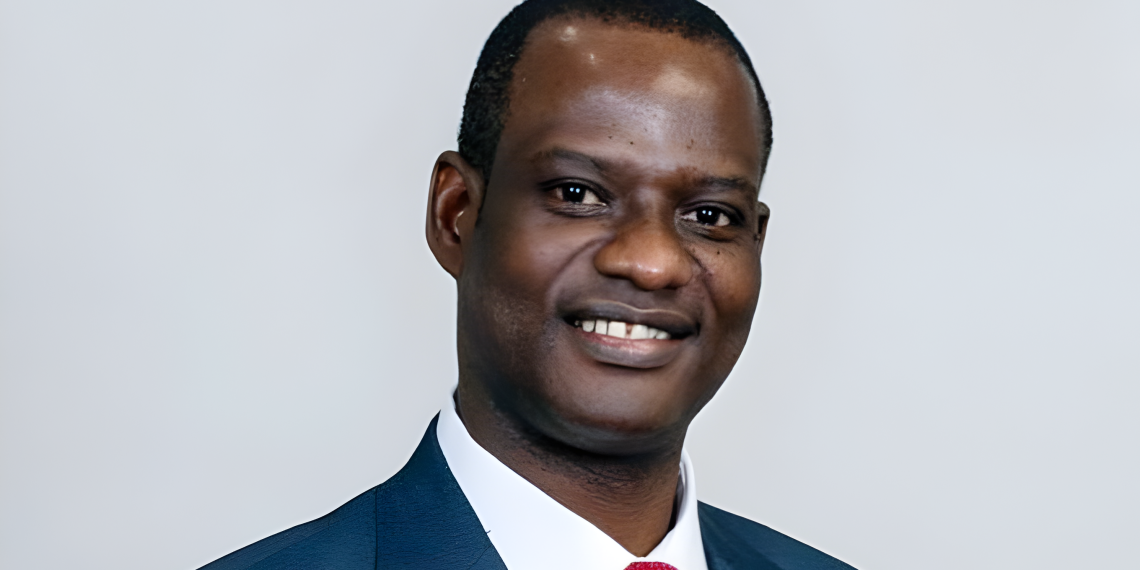
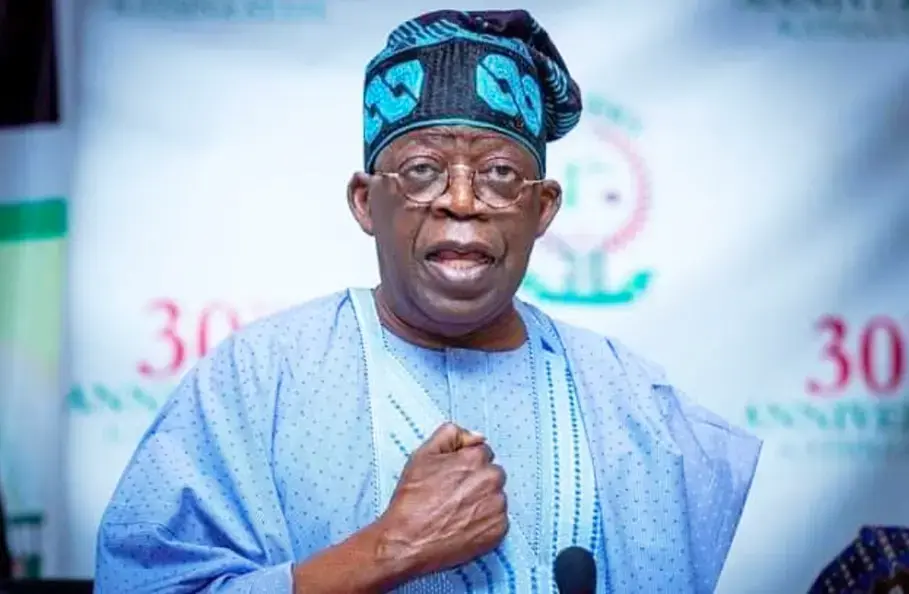
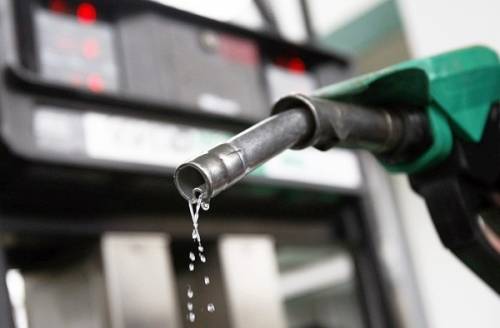
The Federal Government has explained that the proposed 5% fuel surcharge under the new Nigeria Tax Act 2025 is not designed to increase hardship for Nigerians but to create a special fund to repair the country’s failing roads. This clarification was made by Taiwo Oyedele, Chairman of the Presidential Committee on Fiscal Policy and Tax Reforms, during an interview on Channels Television’s Morning Brief.
According to Oyedele, the surcharge, which is expected to take effect in January 2026, has raised concerns that it could worsen inflation. He admitted that Nigerians have genuine fears about the impact on prices, but stressed that poor road infrastructure is already one of the major drivers of inflation in the country. He explained that Nigeria has more than 200,000 kilometres of road, yet only about 60,000 are in good condition, making the cost of moving people and goods very high.
He highlighted that the difference between rural and urban food prices is sometimes as wide as 5%, whereas in most countries the gap is usually less than 1%. Oyedele linked this directly to poor roads and multiple taxes that are collected during the transportation of goods across states. He insisted that without improving road networks, the cost of living will remain high, and unsafe roads will continue to threaten lives.
Addressing concerns that the surcharge is unnecessary after the removal of the fuel subsidy, Oyedele clarified that the policy is not new. He said it was first introduced in 2007 but was never implemented because the government at the time was still subsidising fuel. With subsidy now removed, he argued that Nigeria still faces a huge infrastructure funding gap that cannot be filled with subsidy savings alone.
He further assured Nigerians that the surcharge will be carefully managed to avoid adding pressure on households. According to him, one strategy is to introduce the tax during periods when the naira strengthens or when international oil prices fall, so that the pump price of fuel does not increase noticeably. This, he said, would reduce the risk of inflation and protect vulnerable groups.
Oyedele also revealed that funds from the surcharge will be ring-fenced, meaning they will be strictly dedicated to fixing roads and not diverted for other purposes. He pointed to the Road Infrastructure Tax Credit Scheme as an example of success, where private companies like Dangote, MTN, Lafarge, and NLNG have invested in roads under tax credit arrangements. He suggested that similar partnerships could be used to ensure efficiency and transparency in managing the surcharge.
Labour unions, however, remain opposed. The Trade Union Congress has already warned that it may declare a nationwide strike if the Federal Government does not scrap the fuel surcharge. Despite this, Oyedele urged Nigerians to keep an open mind, saying that if the surcharge fails to serve its purpose, there are legal mechanisms for the National Assembly to remove it from law.
In his words, “We need to give this policy a chance. If it works, it will improve our roads, reduce transport costs, and ease inflation. But if it fails, the law can be reversed. Nigerians should see it as a step toward solving one of the biggest challenges facing the economy.”