White House Launches TikTok Account Despite Ongoing Uncertainty Over Platform’s Future
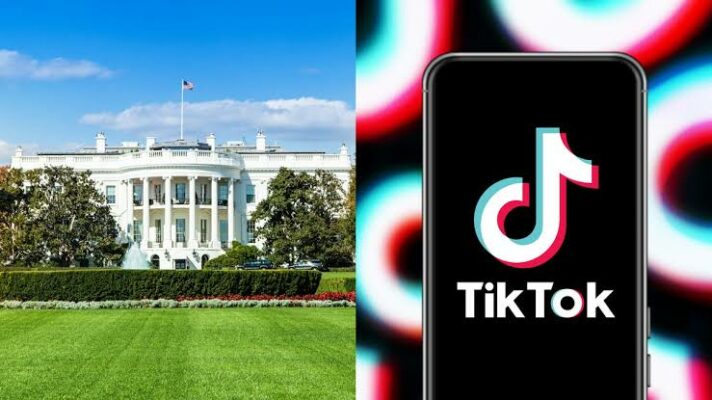
The White House has officially joined TikTok, launching a new account on Tuesday even as the continued presence of the Chinese-owned platform in the United States remains uncertain. In its first post — a 27-second video — the account greeted users with the caption, “America we are BACK! What’s up TikTok?”
The new account quickly began gaining attention, attracting around 4,500 followers within the first hour of its debut. The move comes at a time when TikTok is still facing the pressure of a federal law that requires the platform to be sold to a non-Chinese company or face a ban on national security grounds.
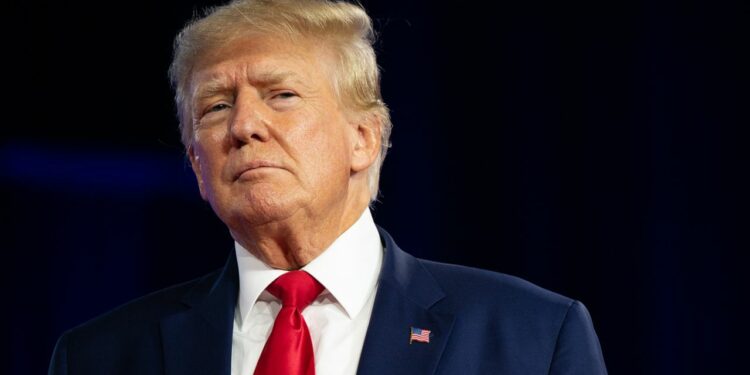
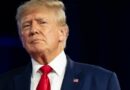
The law was originally scheduled to take effect the day before Donald Trump’s inauguration on January 20. However, Trump, who has openly said he likes the platform and used it heavily during his 2024 campaign, decided to temporarily pause the ban. He then granted TikTok an additional 90-day extension to secure a new owner — a deadline that now expires in mid-September.
Interestingly, while the White House has just launched its account, Trump already has a massive presence on TikTok, with 110.1 million followers. Although he hasn’t posted since Election Day in November 2024, the size of his audience highlights the political importance of the platform — especially among younger voters.
TikTok, which is owned by China-based company ByteDance, has almost two billion users globally. For that reason, it continues to be viewed both as a powerful communication tool and a potential national security concern.
The White House already maintains official accounts on X (formerly Twitter) and Instagram, where it has 2.4 million and 9.3 million followers, respectively. Adding TikTok to its social media strategy could help it reach a wider — and younger — audience at a time when digital outreach plays a key role in public communication.
Why has the government opened a TikTok account while also threatening to ban it? The simple reason is that the platform remains legally active in the U.S. for now — and with millions of young Americans using it daily, the White House may be trying to engage with the public wherever they are most active online.