JJC Skillz Explains Why He Quit Music and Joined Nollywood
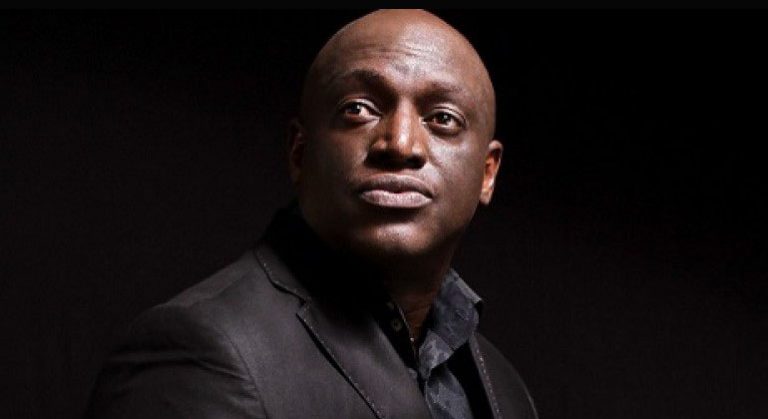
Nigerian singer and producer JJC Skillz, whose real name is Abdulrasheed Bello, has explained why he stopped releasing music and moved into Nollywood. He said that he began to feel too old for the fast-changing music industry and decided it was time to grow and choose a new path.
Speaking in a recent interview, the “We Are Africans” hitmaker said that he had been involved in music video production for many years and even shot some of his videos. But by 2011, after releasing African Gang, he realised that the music scene was changing quickly and that it was becoming more of a young person’s space.
He packed his bags and decided to fully move into Nollywood because of his strong passion for telling stories. He said that filmmaking allowed him to still express his creativity in a different way and to share meaningful stories with audiences.
However, JJC Skillz revealed that the transition from music into Nollywood was not easy for him. He said that many of the people already working in the film industry were not quick to welcome him and that some doors were shut because he did not grow up in their circles.
He also complained about the difficult distribution system in the movie industry, saying that cinemas sometimes take 60 to 70 per cent of the money made from films. After paying taxes, the filmmakers are left with very little profit and must also handle the marketing themselves.
Despite these problems, JJC Skillz said that his passion for filmmaking and his love for storytelling keep him moving forward. He believes that Nollywood has great potential, and he hopes to contribute to its growth with high-quality projects.
In another development, Nigerian music video director TG Omori, also known as Boy Director, has raised concerns about the high cost of medical care in the country. He said that the price of dialysis treatment is becoming too high for many people and shared that his health expenses have been very heavy.
He added that the cost of staying healthy in Nigeria is becoming a serious challenge, reminding people that “health is wealth.”