Lassa Fever Cases Drop but Death Rate Still Worryingly High in Nigeria
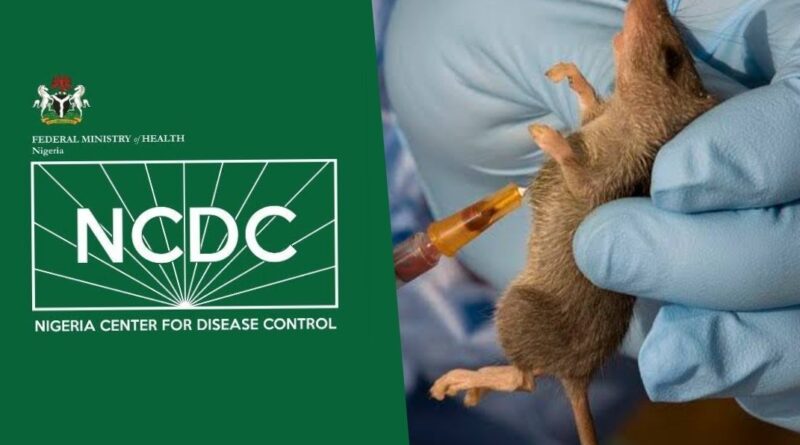
Nigeria is seeing a drop in Lassa fever cases this year, but the death rate from the disease is still dangerously high, according to the Nigeria Centre for Disease Control and Prevention (NCDC). The latest update from the health agency shows that although the number of suspected and confirmed cases has gone down compared to the same period in 2024, more people are still dying from the illness.
So far in 2025, a total of 145 deaths have been reported, which equals a Case Fatality Rate (CFR) of 18.6 percent. This is slightly higher than the 17.6 percent recorded last year. The NCDC has called the drop in case numbers a positive sign, but stressed that the high fatality rate remains a major concern for public health experts.
In week 30 of the year, Nigeria reported only three confirmed cases compared to 11 cases in week 29. The recent infections were recorded in Edo and Ondo states. Since January, the country has confirmed 825 cases and 155 deaths across 21 states and 105 local government areas.
Data shows that 89 percent of the total confirmed cases have been concentrated in just five states: Ondo (32%), Bauchi (23%), Edo (17%), Taraba (14%), and Ebonyi (3%). The age group most affected is between 21 and 30 years old, with slightly more men than women infected.
Despite fewer cases, the NCDC says several challenges still make the fight against Lassa fever difficult. These include patients arriving late at hospitals, high costs of treatment, poor environmental sanitation, and low public awareness in communities where the disease is common.
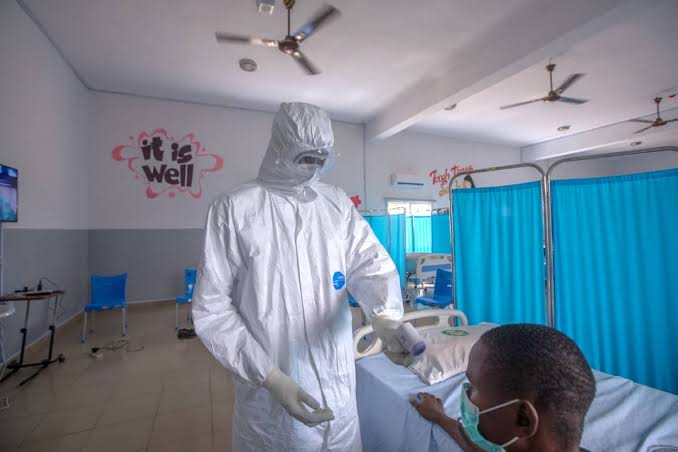
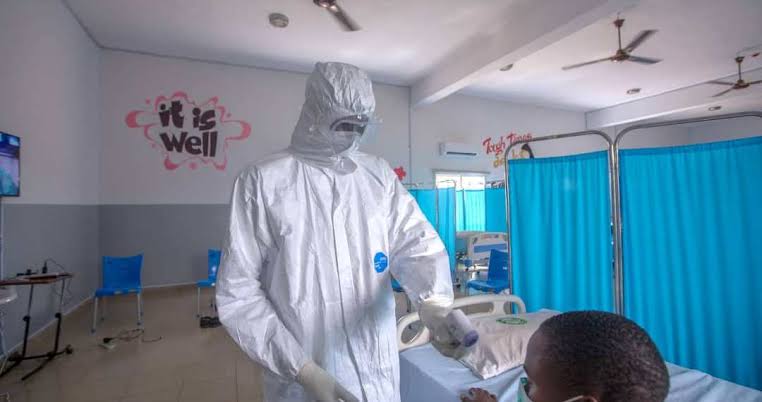
In the past week, the government has taken several steps to control the outbreak. These include clinical training for healthcare workers, public awareness campaigns, rodent control efforts, distribution of thermometers for monitoring contacts, and sending rapid response teams to the most affected states.
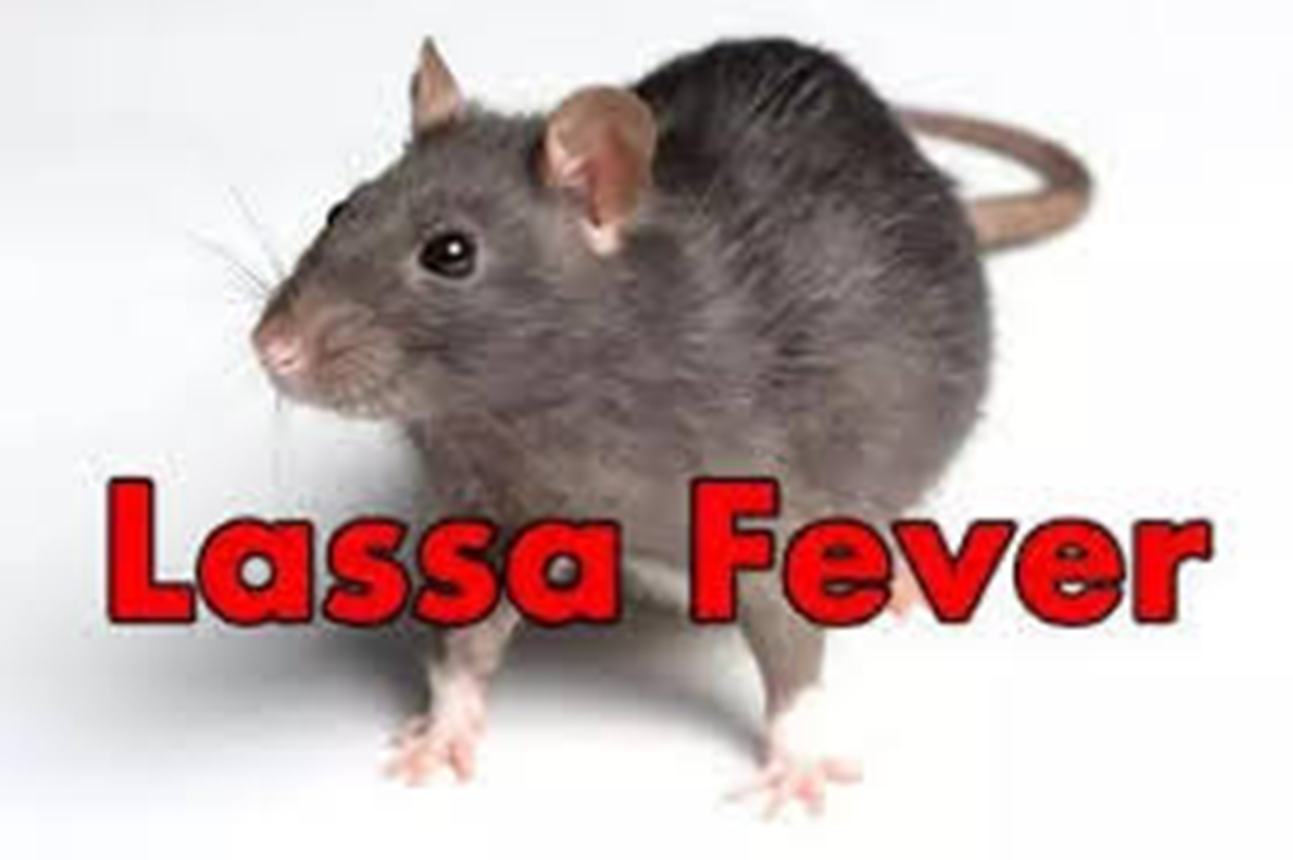
The NCDC is urging Nigerians to take preventive steps such as storing food properly, keeping their surroundings clean, and seeking medical care early when symptoms appear. Lassa fever is a viral haemorrhagic illness mainly spread by contact with the urine or faeces of infected rats. It can also spread from person to person through bodily fluids, contaminated items, or unsterilised medical tools.
Common symptoms include fever, sore throat, headache, vomiting, muscle pain, and in severe cases, bleeding from body openings. Health experts warn that early detection and treatment are the best ways to reduce the risk of death from the disease.