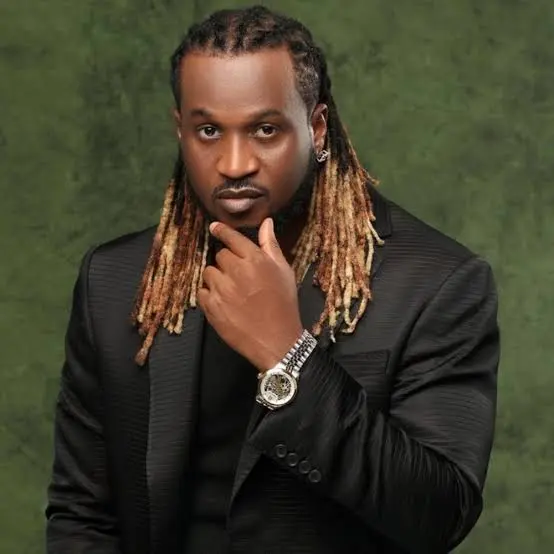
Paul Okoye speaks out on Nigeria’s endless struggles and growing public frustration
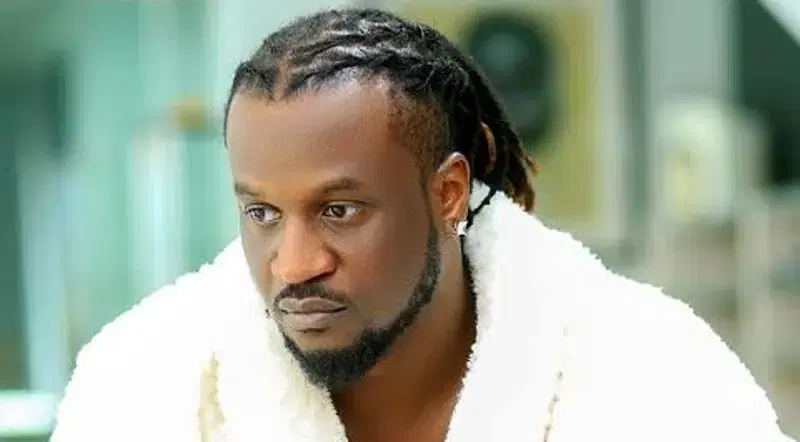
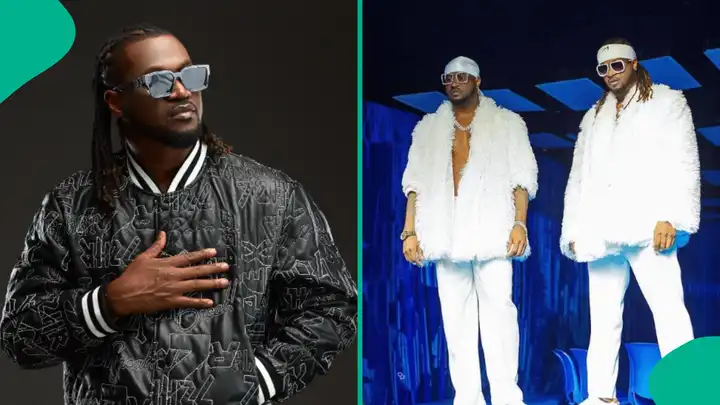
Nigerian singer Paul Okoye, popularly known as Rudeboy, has voiced his deep frustration with the current state of Nigeria. In a post shared on his Instagram page, he described the country’s problems as an exhausting cycle that never seems to end. His words reflected the feelings of many Nigerians who are battling constant economic and social issues.
The artist lamented that citizens barely recover from one crisis before facing another. Using humor to explain the situation, he wrote, “A lot of things are happening in this country. From one ‘hmmm’ to another ‘ahhh’! Then all of a sudden, you just shout ‘ehhh!!!’” His post quickly gained attention, with many fans agreeing in the comment section and sharing their own frustrations.
Paul’s statement sheds light on the widespread feeling of helplessness that many Nigerians are experiencing, from the rising cost of living to insecurity and poor governance. As more celebrities continue to use their platforms to speak out, it highlights a growing desire among the public for change and accountability.
Meanwhile, another hot topic that has kept Nigerians talking is the continued controversy surrounding the late singer Mohbad and his father, Joseph Aloba. After Mohbad’s sudden death, his father received backlash online for demanding a DNA test to confirm the paternity of his grandson, Liam.
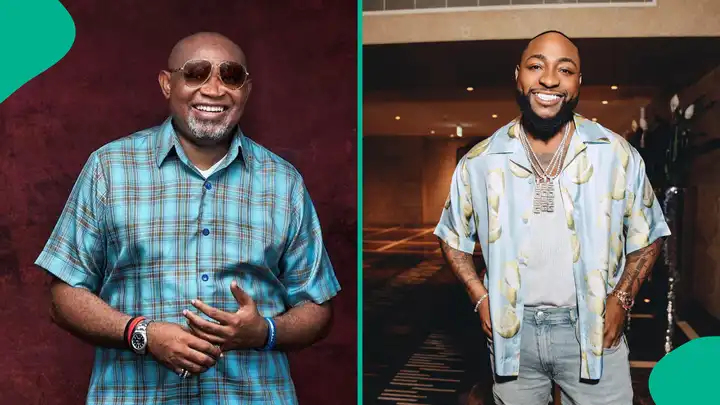
This demand sparked strong criticism, with many accusing Joseph Aloba of being insensitive. However, in a recent live chat with music executive Paulo and media personality Daddy Freeze, one participant defended Mohbad’s father, stating that he was unfairly judged because of his financial status.
The participant argued that if Mohbad’s father were wealthy or had influence, Nigerians might have treated him more respectfully. He said, “Mohbad’s dad was not treated fairly because he does not have money. If Mohbad’s dad had level, the way Nigerians oppressed him, it would not happen.”
These discussions reflect the growing tension in Nigerian society, where poverty, injustice, and inequality are fueling widespread anger and disillusionment. Both Paul Okoye’s post and the Mohbad family controversy show how public figures and everyday people alike are seeking ways to voice their concerns.
As these conversations continue to trend online, they serve as reminders of the many challenges ordinary Nigerians face daily—and the importance of empathy, fairness, and open dialogue in addressing them.